

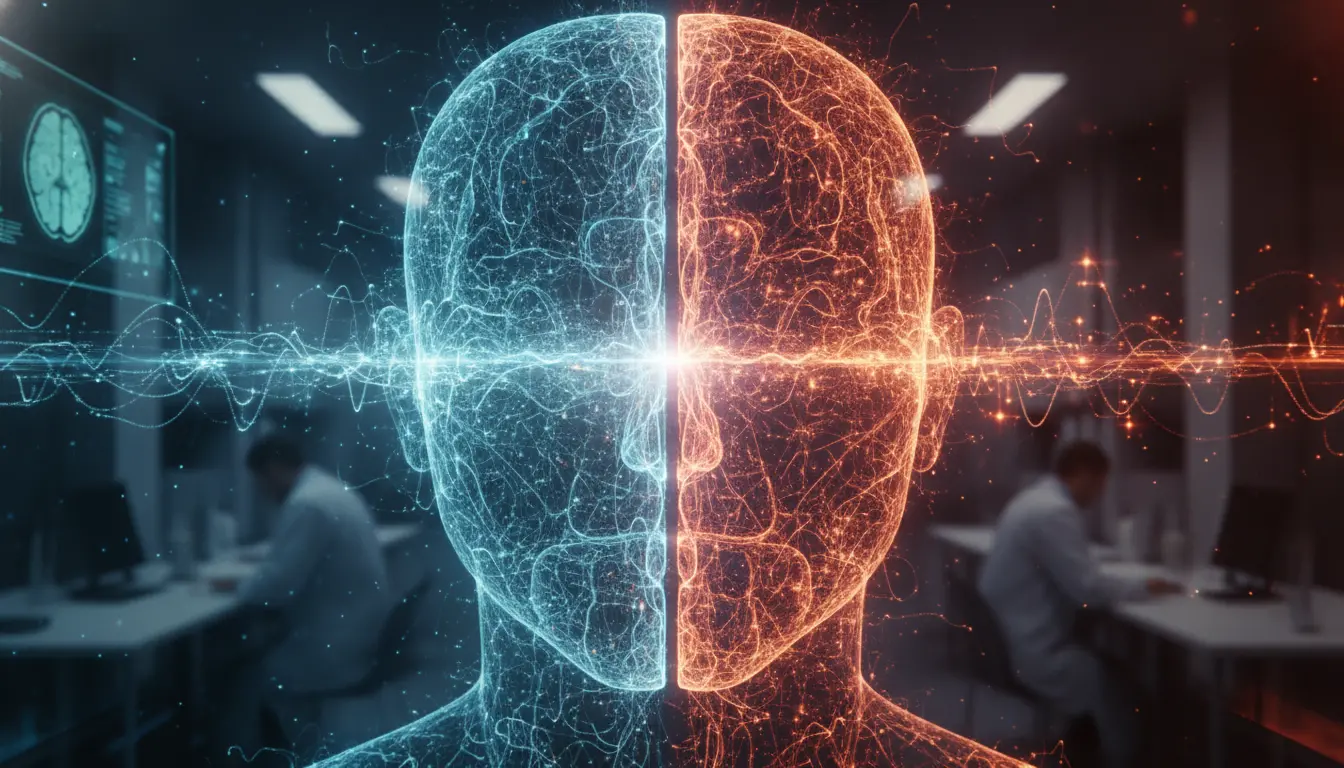
Autism may have two distinct subtypes that vary by brain activity
For decades, scientists and clinicians have understood autism not as a single condition, but as a wide and varied spectrum. Now, groundbreaking research is adding a new layer of biological clarity to this understanding, suggesting that beneath the diverse behavioral presentations of autism lie distinct neurological signatures. A new study has provided compelling evidence that autism may be divisible into at least two subtypes, defined not by outward symptoms but by the very patterns of connectivity within the brain. This finding marks a significant step toward moving beyond purely behavioral diagnostics and toward a more precise, biologically-grounded framework for understanding, and eventually treating, the condition.
The challenge in autism research has long been its profound heterogeneity. Two individuals with the same diagnosis can have vastly different abilities, challenges, and support needs. This has made it incredibly difficult to develop universally effective therapies, as an intervention that helps one person may have no effect on another. The scientific community has long hypothesized that this clinical diversity must be rooted in underlying biological differences. The search for these “biotypes” has become a central goal, aiming to create a classification system that could predict which individuals might respond best to specific treatments, paving the way for a future of personalized medicine in neurodevelopmental care.
In a study published in the journal Nature Communications, a team of researchers from the University of Virginia School of Medicine analyzed a massive dataset of functional magnetic resonance imaging (fMRI) scans from individuals with autism. Using machine-learning algorithms to parse the complex data, they focused on functional connectivity—the measure of how different regions of the brain communicate and synchronize their activity over time. The analysis revealed two distinct and recurring patterns. The first subtype was characterized by “hyper-connectivity,” where certain brain networks showed unusually strong and synchronized connections. The second subtype displayed the opposite pattern: “hypo-connectivity,” with brain regions showing weaker and less coordinated communication than is typically observed.
These patterns of over- and under-connectivity were not random; they appeared concentrated in specific brain networks crucial for higher-order cognitive functions. For instance, the default mode network, which is active during self-reflection and mind-wandering, and the salience network, which helps the brain determine what to pay attention to, were among those showing significant differences between the two subtypes. While the study did not draw direct lines from these brain patterns to specific behaviors, the findings offer a powerful new lens through which to interpret the varied experiences of autistic individuals. The hyper-connected subtype might correlate with the intense focus or sensory sensitivity seen in some, while the hypo-connected subtype could relate to challenges in social processing and communication.
The implications of this research are potentially transformative for both diagnostics and therapeutics. If these brain-based subtypes can be consistently identified, they could serve as objective biomarkers to supplement current behavioral assessments. This could lead to earlier and more accurate diagnoses. More importantly, it could revolutionize treatment strategies. An intervention aimed at modulating brain activity, such as transcranial magnetic stimulation (TMS) or targeted neurofeedback, might be designed to dampen overactive connections in one subtype while strengthening underactive ones in the other. This tailored approach would be a dramatic departure from the current one-size-fits-all model.
However, the researchers are careful to note that this is a foundational discovery, not a final answer. The findings must be replicated in larger and more diverse populations to ensure their validity. Future studies will need to follow individuals over time to understand if these brain subtypes are stable throughout development and how they correlate with long-term outcomes. The ultimate goal is to build a comprehensive map that links genetics, brain biology, and behavior. While much work remains, this discovery provides a critical piece of the puzzle, illuminating the hidden neurobiology of autism and charting a new course toward a more nuanced and effective approach to care.
Stay Informed. Act Smarter.
Get weekly highlights, major headlines, and expert insights — then put your knowledge to work in our live prediction markets.
Related News

Tehran Rejects Trump's Claim of 'Highest Level' Nuclear Inspection Agreement Amid Sanctions Relief Talks

US, Iran agree on ‘roadmap’ towards final deal in Switzerland talks

Rocket Lab Readies Neutron for Inaugural Launch Amid High Expectations

European Union Intensifies Scrutiny of Meta's 'Addictive Features,' Significant Fines Loom

AI Logistics Firm NASN Intelligent Tech Sets August 7 Debut, Posing Key Test for Tepid IPO Market

South Korea Sets Ambitious $700 Billion Export Target Driven by AI Semiconductor Boom

Lil Nas X shares update after getting mental health care: ‘There’s less fear in my heart’

Leading AI Innovators OpenAI and Anthropic Eye Public Markets Amid Valuation Surge

US-Venezuela Talks Intensify Over Potential New Oil Drilling Rights for American Firms
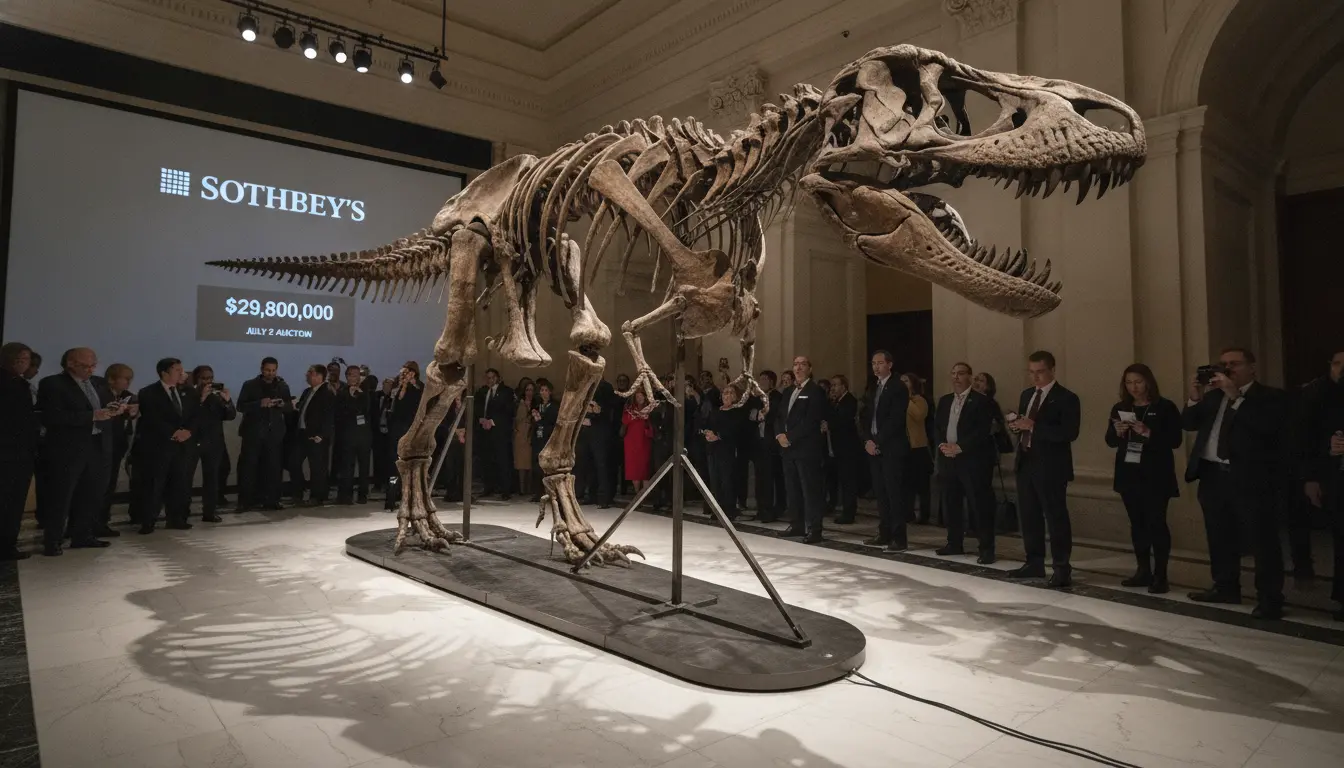
Rare T. Rex Skeleton 'Gus' Poised for Sotheby's Auction, Eyes Potential Record $30 Million-Plus Sale