

AIresearch & breakthroughsDataset Innovations
Microsoft's new 10,000-year data storage medium: glass
KE
Kevin White
3 months ago7 min read
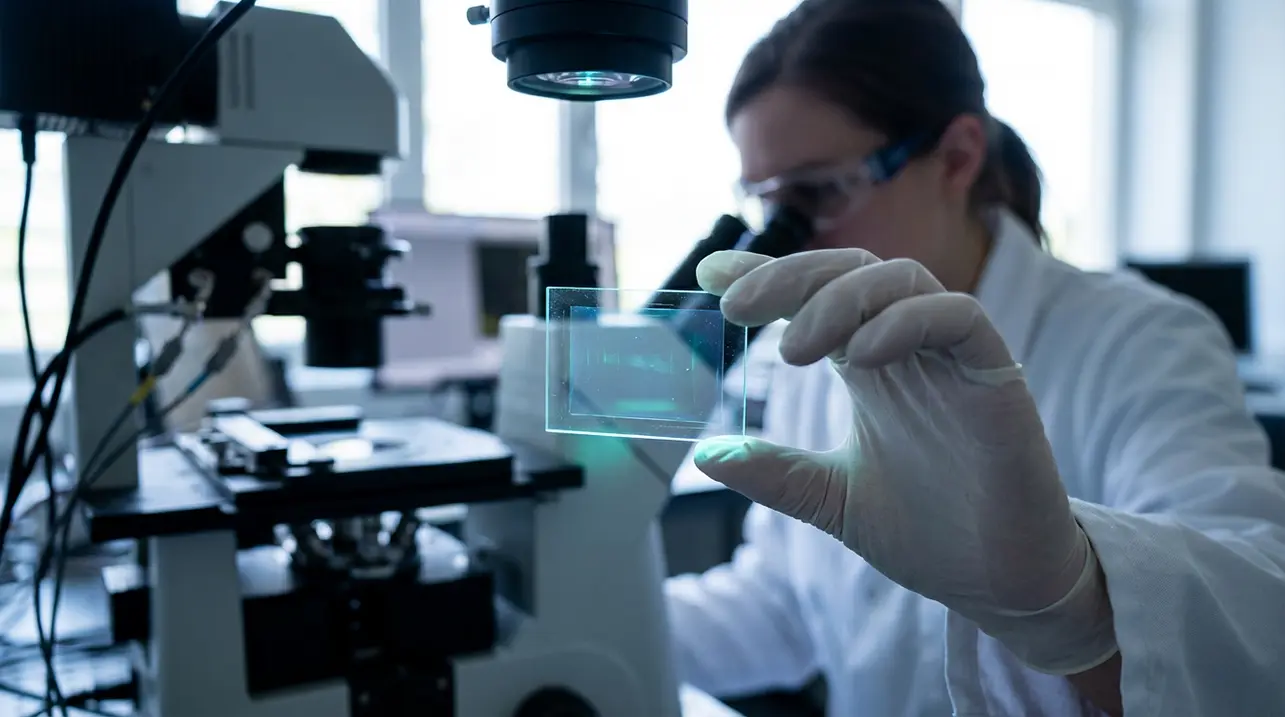
In a move that feels ripped from the pages of a sci-fi novel, Microsoft is betting on glass—yes, actual silica glass—as the ultimate time capsule for our digital age. The tech giant's Project Silica isn't just another incremental storage upgrade; it's a radical rethinking of permanence, using femtosecond lasers to etch data into quartz glass that can theoretically withstand 10,000 years of environmental punishment, from electromagnetic pulses to temperature swings.This directly confronts what archivists grimly call the 'digital dark age,' where our reliance on fragile magnetic tapes and SSDs, coupled with rapidly obsolete file formats, means much of 21st-century knowledge is essentially written in disappearing ink. For biologists and medical researchers like myself, the implications are staggering: imagine preserving the complete genomic sequences of endangered species or the longitudinal data from a century-long climate study in a medium that could outlast pyramids.Yet, the path from lab marvel to global archive is fraught with biotech-scale challenges—scaling production, slashing the currently prohibitive read/write costs, and, crucially, creating foolproof decoding systems so future civilizations can actually read our high-tech Rosetta Stones. It also forces an urgent ethical debate: in an era of exponential data generation, who decides what humanity's most vital records are? This fusion of material science and information theory isn't just about saving bytes; it's an ambitious attempt to gift a coherent legacy to a future we can scarcely imagine.
#Data Storage
#Innovation
#Longevity
#Microsoft
#Archival
#lead focus
Stay Informed. Act Smarter.
Get weekly highlights, major headlines, and expert insights — then put your knowledge to work in our live prediction markets.
Comments
It's quiet here...Start the conversation by leaving the first comment.