

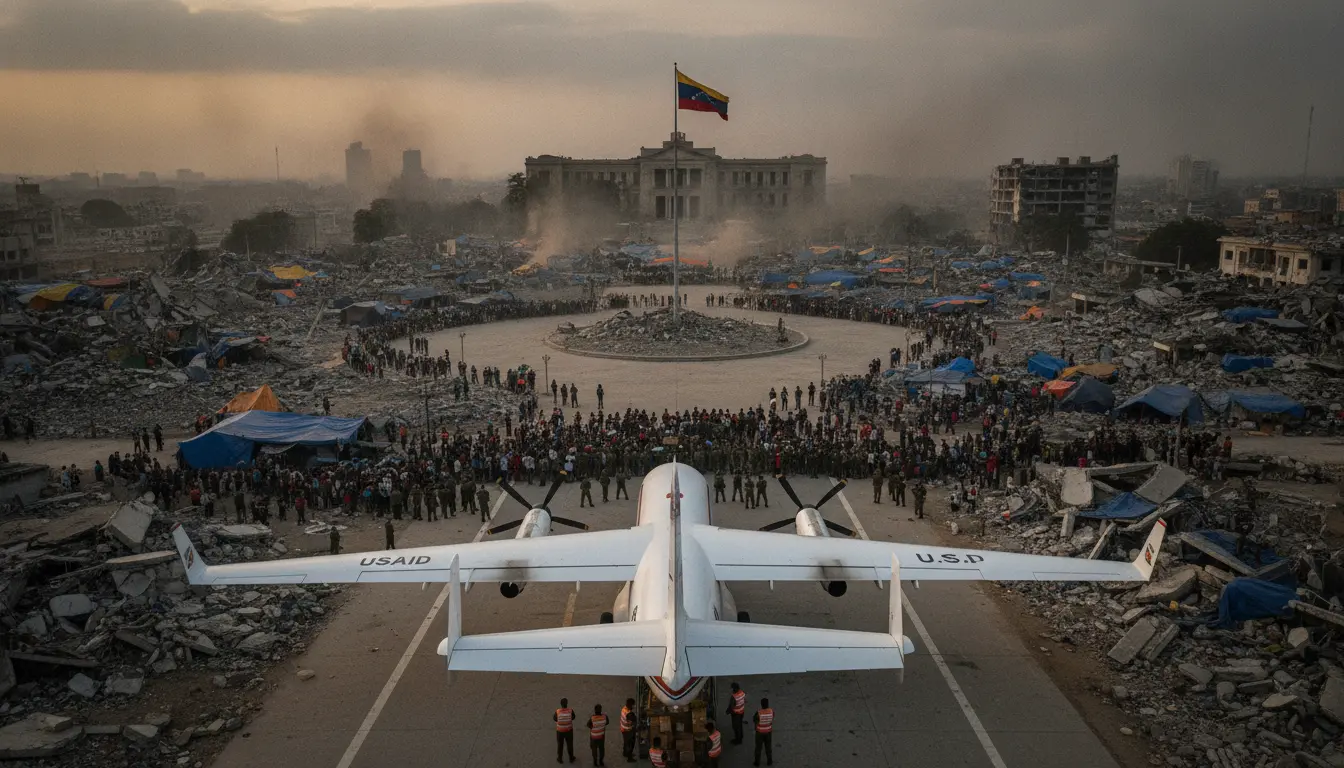
Venezuela Faces Pressure to Accept U.S. Humanitarian Aid Amidst Post-Quake Crisis
Venezuela finds itself at a critical juncture, grappling with the devastating aftermath of recent catastrophic earthquakes that have exacerbated an already dire humanitarian crisis. The natural disaster has laid bare the nation’s fragile infrastructure and strained public services, prompting an outpouring of international concern and offers of assistance. At the forefront of these pledges is the United States, whose potential humanitarian aid, however, remains entangled in the complex and deeply acrimonious political relationship between Washington and Caracas.
For years, Venezuela has been mired in a profound economic and social collapse, characterized by hyperinflation, widespread shortages of food and medicine, and the mass exodus of millions of its citizens. The United Nations and numerous international organizations have consistently highlighted the urgent need for humanitarian intervention, often facing hurdles from the Nicolás Maduro government, which has historically viewed aid offers from perceived adversaries as veiled attempts at political interference. This long-standing distrust is rooted in a history of U.S. sanctions, diplomatic pressures, and support for opposition figures, creating a highly politicized environment where even life-saving assistance can become a point of contention.
The recent earthquakes have intensified the suffering, causing widespread damage to residential areas, vital infrastructure, and already crumbling healthcare facilities. Hospitals, already lacking essential equipment, medication, and personnel, are now overwhelmed. The logistical challenges of reaching affected populations, compounded by a scarcity of heavy machinery, emergency supplies, and trained rescue teams, underscore the critical gap in Venezuela's disaster response capabilities. Experts warn that without substantial external support, the long-term recovery for affected communities will be protracted and incredibly difficult, potentially leading to further social instability.
The United States, a prominent global humanitarian donor, has indicated its willingness to provide significant aid. However, American officials typically insist on direct, transparent delivery mechanisms, often advocating for channels that bypass government control, citing concerns over corruption and efficient distribution. This condition has historically been a major sticking point for the Maduro administration, which asserts its sovereignty and prefers to manage aid through its own state institutions. The coming months, stretching into mid-2026, are expected to see continued diplomatic maneuvering as the scale of the crisis demands a more sustained, formal engagement rather than mere emergency relief.
Caracas faces immense pressure, both internally from its populace and externally from regional and international bodies, to prioritize the welfare of its citizens. While the government has historically relied on allies like Russia, China, and Cuba for support, the sheer scale of the post-quake devastation might necessitate a more pragmatic approach. The decision to formally accept broad-scale humanitarian assistance from the U.S. would be a significant political concession, challenging the government's narrative of resilience in the face of alleged foreign aggression. It would require a delicate balancing act between national sovereignty claims and the overwhelming humanitarian imperative.
The implications of Venezuela's decision extend beyond immediate relief. Formal acceptance of U.S. aid could potentially signal a thawing, however slight, in the deeply frozen bilateral relations, opening avenues for future dialogue. Conversely, continued rejection, particularly amidst growing suffering, could further isolate the Maduro government and intensify criticism from human rights organizations and international bodies. The pathway to July 2026 will reveal whether Venezuela can navigate its profound humanitarian challenges through political reconciliation or if ideological divides will continue to impede critical assistance to its most vulnerable populations. The world watches closely to see if pragmatism will ultimately prevail over entrenched political postures.
Stay Informed. Act Smarter.
Get weekly highlights, major headlines, and expert insights — then put your knowledge to work in our live prediction markets.
Related News
U.S. Government Deliberates Over Substantial Humanitarian Aid Package for Venezuela's Earthquake Crisis
Venezuela's Humanitarian Crisis Prompts Renewed Push for Major International Aid

U.S. and Venezuela Explore Path to Renewed Diplomatic Ties Amid Easing Tensions
Deadly Earthquakes Strike Venezuela, Casualties Mount as Rescue Efforts Continue
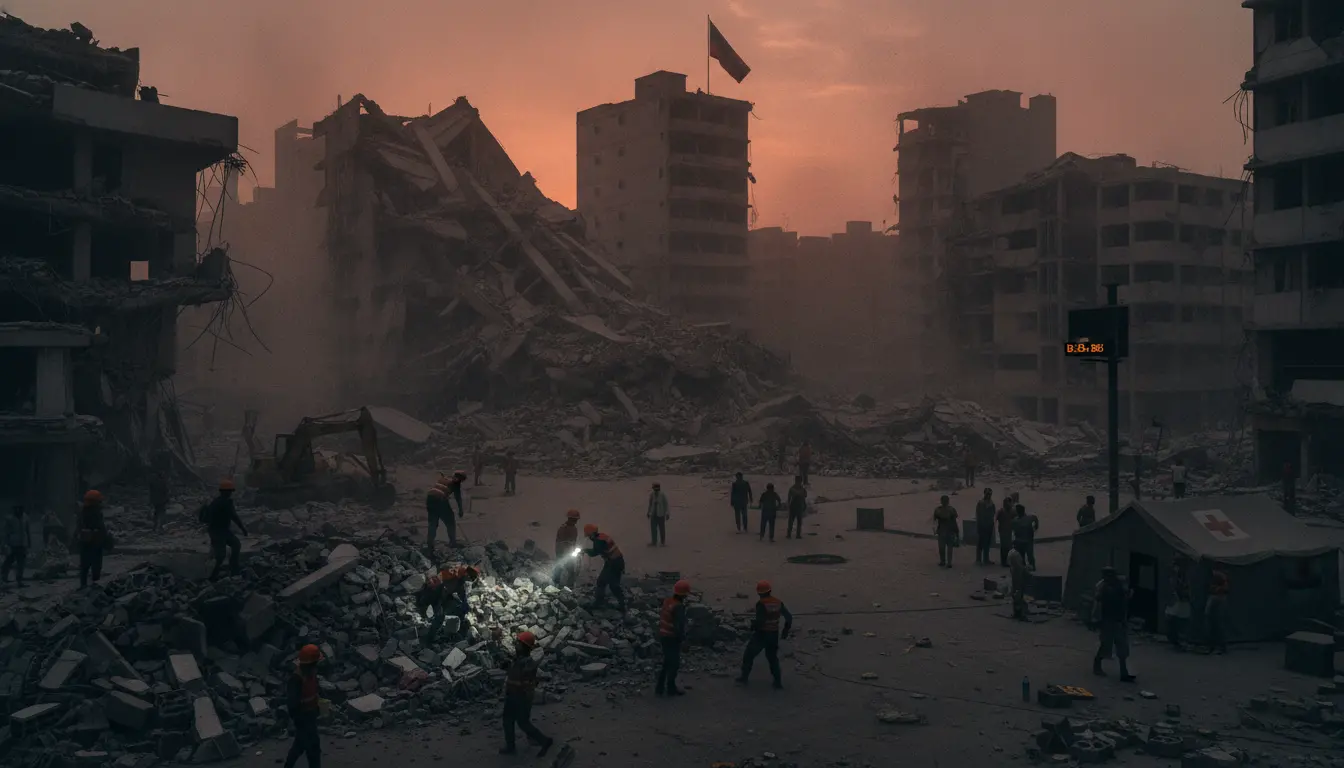
Devastating Earthquake Rocks Venezuela, Initial Death Toll Reaches 32 Amid Intense Rescue Efforts
US Explores Major Oil Trade Pact with Venezuela Amid Sanctions Relief Talks
Trump Signals Intent for Major Oil Deal with Venezuela, Prompting Scrutiny Over Sanctions and Geopolitics
Trump-Backed Venezuela Oil Agreement Faces Stiff Congressional Resistance
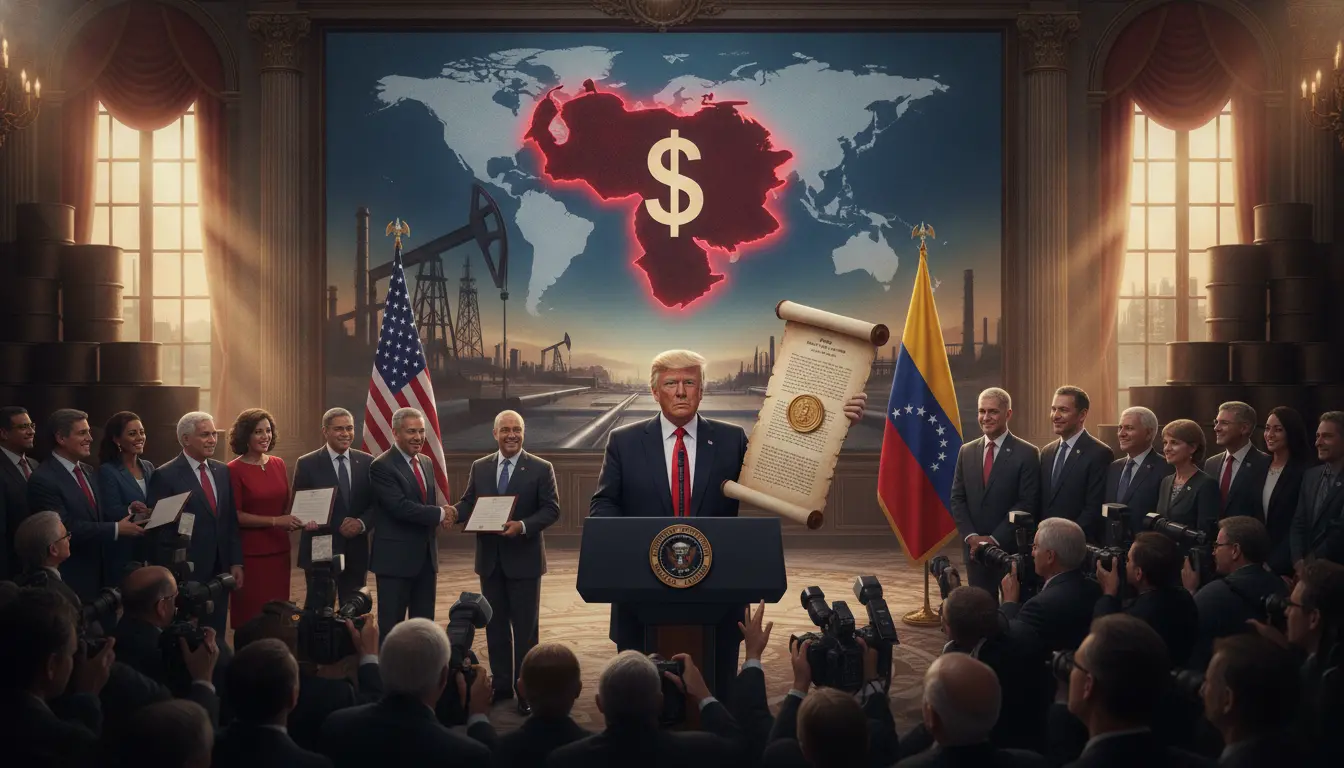
President Trump Unveils Major Deal to Secure Venezuelan Oil Reserves
Reports Indicate Potential Full Lifting of US Oil Sanctions on Iran by Late 2026