

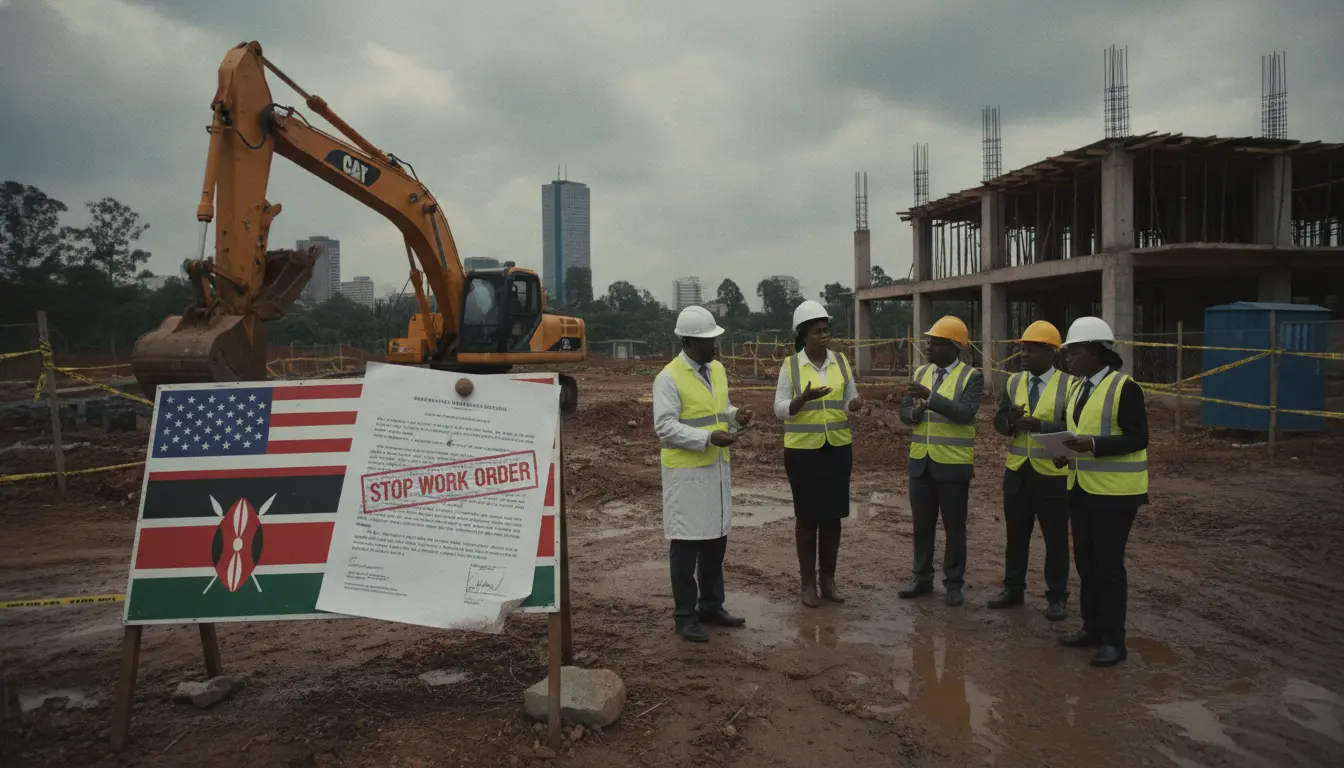
US-Kenya Health Partnership Jolted as Court Blocks Construction of High-Containment Lab
NAIROBI – The future of a landmark public health project between the United States and Kenya has been cast into doubt after a Kenyan court ordered an immediate halt to the construction of a state-of-the-art biosafety laboratory. The high-containment facility, a collaboration between the U.S. Centers for Disease Control and Prevention (CDC) and the Kenya Medical Research Institute (KEMRI), was designed to become a regional hub for studying and responding to deadly pathogens like Ebola and Marburg virus. The court injunction, however, has frozen the multi-million dollar initiative, escalating a local dispute over safety and transparency into a significant diplomatic and public health challenge.
The project was conceived as a critical upgrade to East Africa's health security infrastructure, a lesson reinforced by global pandemics from the 2014 West African Ebola outbreak to COVID-19. Slated to be a Level 3 biosafety lab (BSL-3), it would have enabled Kenyan and international scientists to safely handle dangerous microbes, accelerate diagnosis during outbreaks, and develop countermeasures. For decades, the U.S. and Kenya have maintained a robust health partnership, with programs like the President's Emergency Plan for AIDS Relief (PEPFAR) forming a cornerstone of their bilateral relations. This new lab was intended to be the next major step in that collaboration, positioning Kenya as a leader in African infectious disease research.
The legal challenge that brought bulldozers to a standstill was initiated by a coalition of local residents and civil society groups. Their petition to the court raised several key concerns, chief among them a perceived lack of adequate public participation and environmental impact assessment. Residents living near the proposed site on the outskirts of Nairobi expressed fears about the potential for an accidental release of deadly pathogens, questioning the wisdom of placing such a facility in a densely populated area. The court, in granting the temporary injunction, sided with the petitioners' argument that these concerns had not been sufficiently addressed by the government and its international partners before breaking ground.
In the wake of the ruling, Kenyan government officials have been put in a difficult position. Health Minister Susan Nakhumicha publicly acknowledged the court order and confirmed the suspension of all construction activities. The government now faces the delicate task of navigating the country’s legal processes while reassuring its most important international health partner. The halt represents not just a logistical delay but also a potential blow to investor and donor confidence. For Washington, the stoppage is a frustrating setback for a key foreign policy objective centered on building global resilience against biological threats. U.S. officials have remained publicly reserved, stating they are monitoring the legal proceedings and remain committed to the partnership with KEMRI.
This standoff in Kenya is emblematic of a broader global challenge known as the “NIMBY” (Not In My Back Yard) phenomenon, which frequently complicates the development of critical but potentially hazardous infrastructure, from nuclear power plants to high-containment laboratories. While scientists and public health officials stress the stringent safety protocols governing such facilities, earning public trust is a separate and often more complex battle. The controversy highlights the critical need for transparent communication and genuine community engagement in international development projects, especially those involving sensitive scientific research.
The path forward remains uncertain. The Kenyan government and KEMRI, alongside their CDC counterparts, will likely need to mount a significant effort to address the specific issues raised in the court case, which could involve new rounds of environmental reviews and public consultations. Failure to resolve the impasse could lead to the project being significantly delayed, relocated, or even abandoned entirely. Such an outcome would not only be a loss for the US-Kenya alliance but would also leave a significant gap in Africa’s defenses against the infectious diseases that continue to pose a threat to the entire continent and the world.
Stay Informed. Act Smarter.
Get weekly highlights, major headlines, and expert insights — then put your knowledge to work in our live prediction markets.
Related News
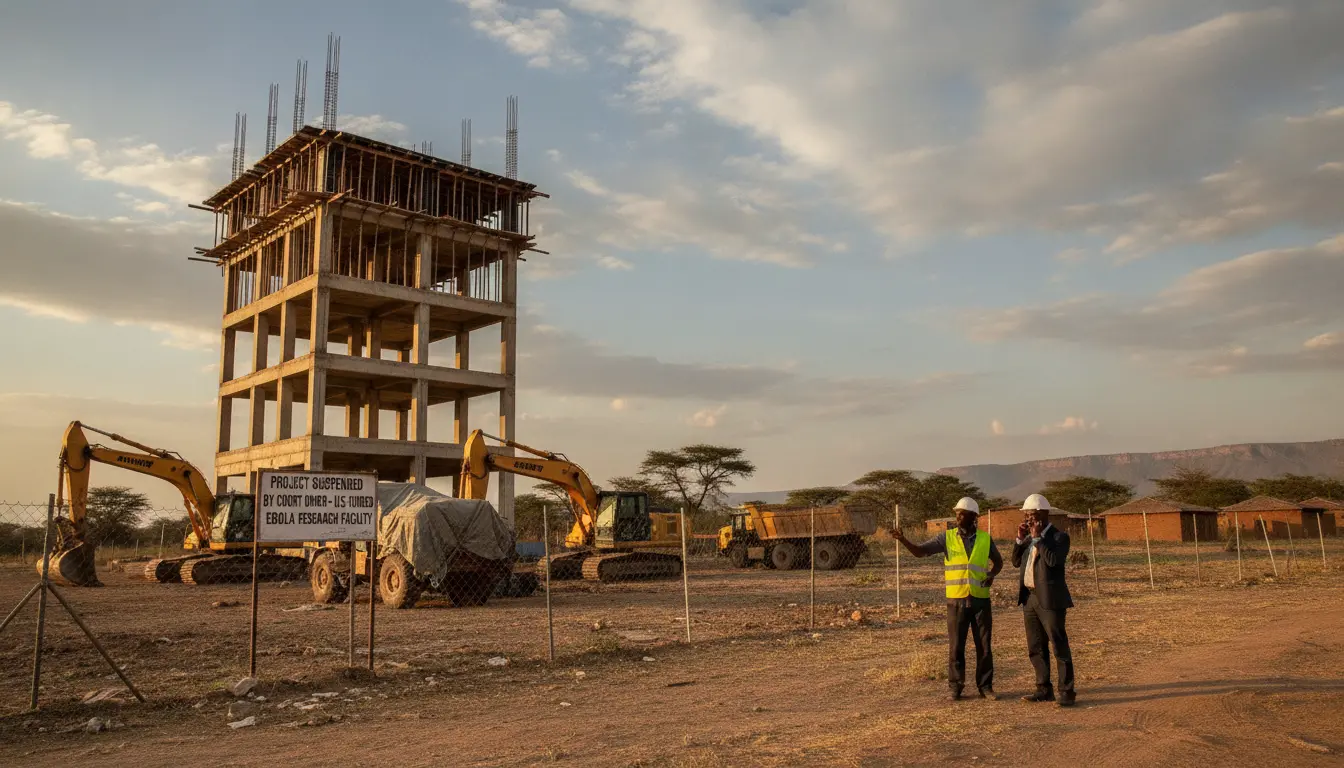
US-Funded Ebola Research Facility Construction in Kenya Faces Legal Standoff

Israel Rejects US Post-Conflict Gaza Plan, Prioritizing Hamas Disarmament

US Congressman Ro Khanna's West Bank Detention Sparks Demands for Settler Accountability

Canada Faces Pressure to Block Thomson Reuters Data Deal with US Immigration Enforcement

US Government Grapples with National Security Implications of Advanced AI Development

DHS Unveils Controversial Policy Tying Counterterrorism Funding to State Election Reforms
Bipartisan War Powers Resolution on Iran Sets Stage for Contentious Presidential Veto Showdown
Federal Court Blocks Trump Executive Order on Voter Lists and Mail Ballots, Administration Vows Appeal

Israel and Lebanon Ink US-Brokered Framework for Peace Talks Amid Ongoing Hostilities

Federal Appeals Court Upholds Ban on Florida's 'Stop WOKE Act' in Higher Education, Paving Way for Supreme Court Showdown