

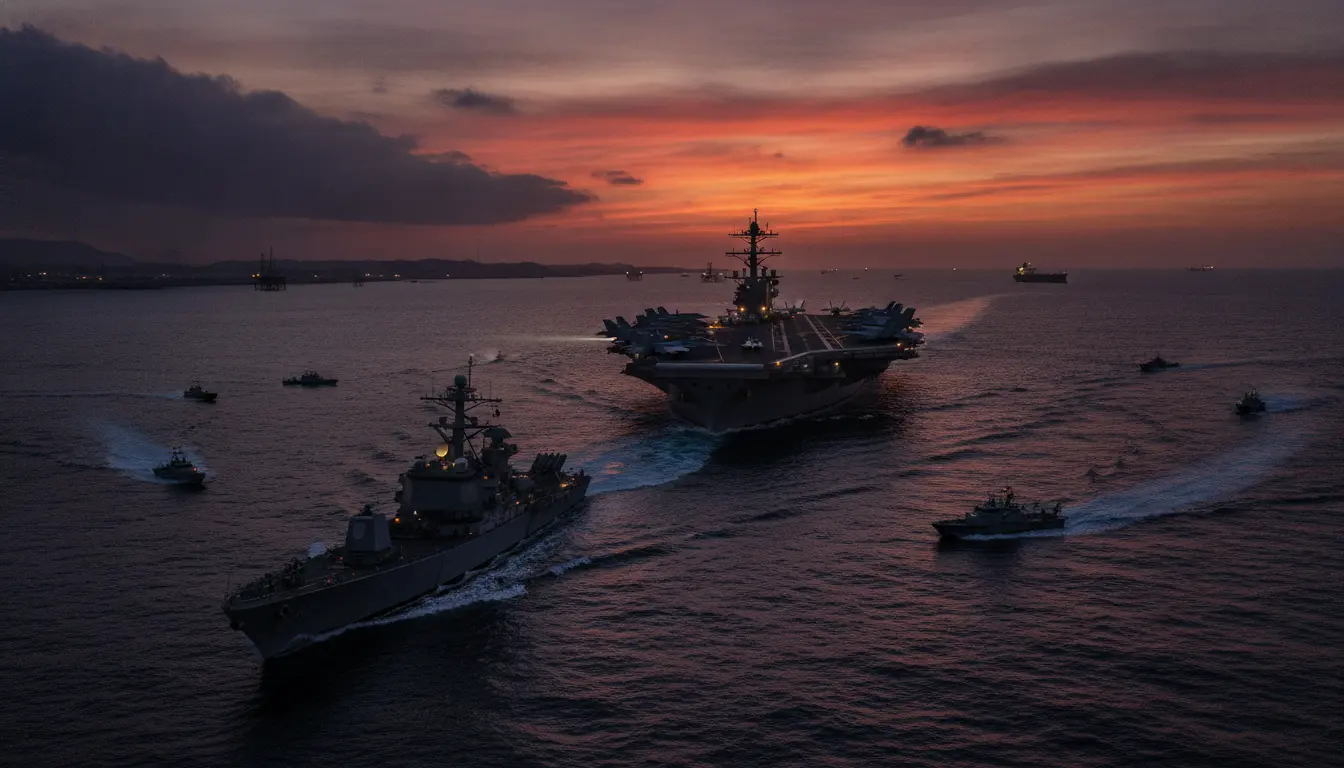
U.S. Raises Threat Level as Iranian Actions Escalate Tensions in Strait of Hormuz
The United States has elevated its threat assessment for maritime activity in the Strait of Hormuz to a 'severe' level, a direct response to a series of renewed Iranian provocations, including what officials describe as aggressive actions against international oil tankers. This heightened alert underscores a precarious situation in one of the world's most critical maritime chokepoints, raising fears of potential miscalculation or direct confrontation between Iranian forces and U.S. or allied naval assets. The Persian Gulf region remains a tinderbox, with global energy markets closely watching every development in this vital waterway.
The Strait of Hormuz, a narrow passage between the Persian Gulf and the Gulf of Oman, is indispensable to global energy supplies. Approximately one-fifth of the world's total petroleum consumption, and roughly one-third of all seaborne crude oil, transits through this strait daily. Its strategic importance has made it a focal point for geopolitical tensions for decades, particularly concerning Iran. Tehran has long leveraged its geographical position, frequently threatening to close the strait in response to international pressure, especially sanctions, viewing control over the waterway as a crucial deterrent and bargaining chip. The history of confrontation, from the "Tanker War" of the 1980s to more recent seizures and attacks, looms large over current developments, emphasizing the volatile nature of the region.
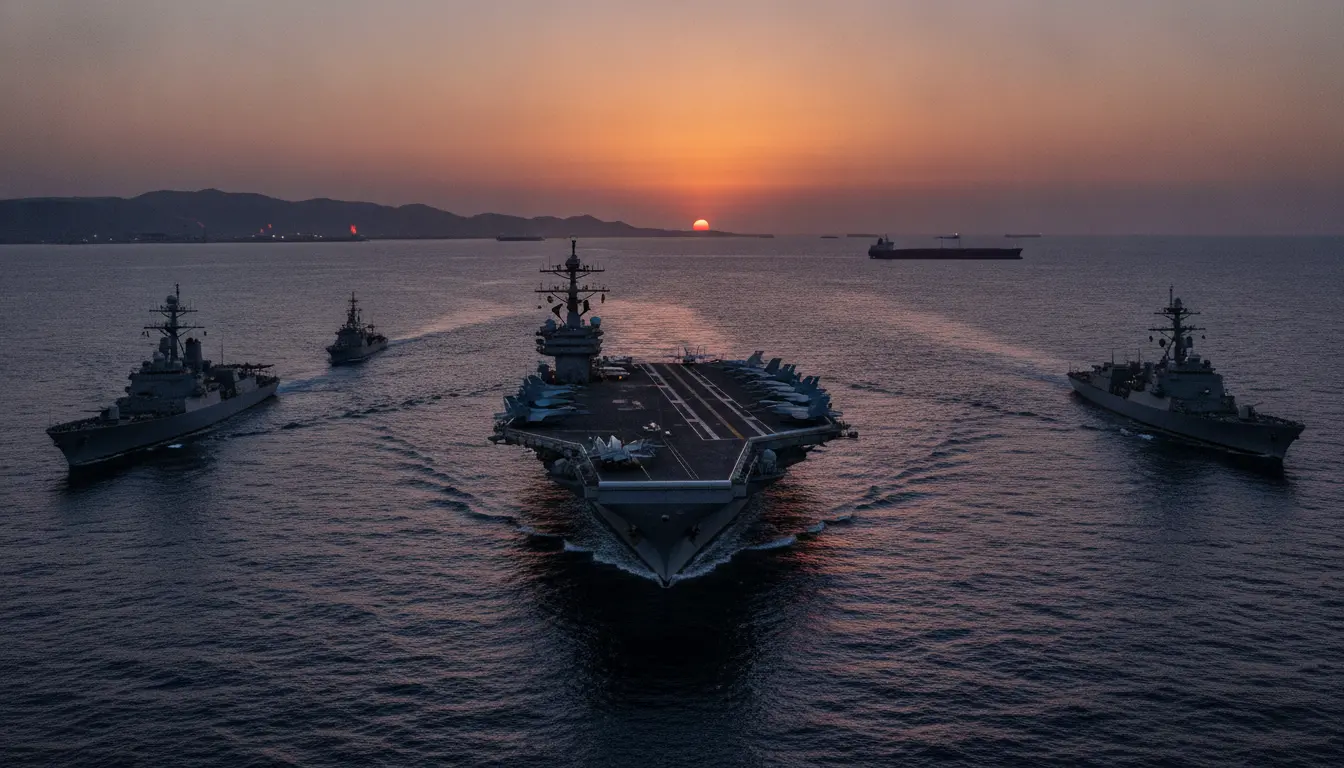
Recent weeks have witnessed a distinct uptick in hostile activities attributed to Iran. Reports indicate multiple instances of Iranian naval forces, often from the Islamic Revolutionary Guard Corps (IRGC) Navy, harassing, detaining, and sometimes firing upon commercial vessels. While some incidents involve ships suspected of violating Iranian sanctions, others appear to be more broadly aimed at asserting dominance and projecting power. These actions, ranging from close approaches by fast-attack craft to the deployment of unmanned aerial vehicles (UAVs) and the seizure of oil tankers under various pretexts, have prompted stern condemnations from Washington and its allies. The U.S. Fifth Fleet, headquartered in Bahrain, has augmented its presence and surveillance capabilities in the area, often responding directly to distress calls and shadowing Iranian vessels to deter further aggression.
Iran's motives for escalating tensions are multifaceted. Domestically, such actions can be portrayed as a strong stand against perceived foreign interference and Western pressure, boosting nationalist sentiment. Internationally, they serve as a potent signal to the international community, particularly the United States and European powers, that Tehran can disrupt global energy flows and maritime trade if its economic or security interests are threatened. This often comes in the broader context of the stalled negotiations over Iran's nuclear program, where the Islamic Republic seeks leverage to alleviate crippling sanctions. Furthermore, these maneuvers reinforce Iran’s strategic influence in a region where it competes for power with Saudi Arabia and other Gulf states, often through proxy conflicts and military posturing.
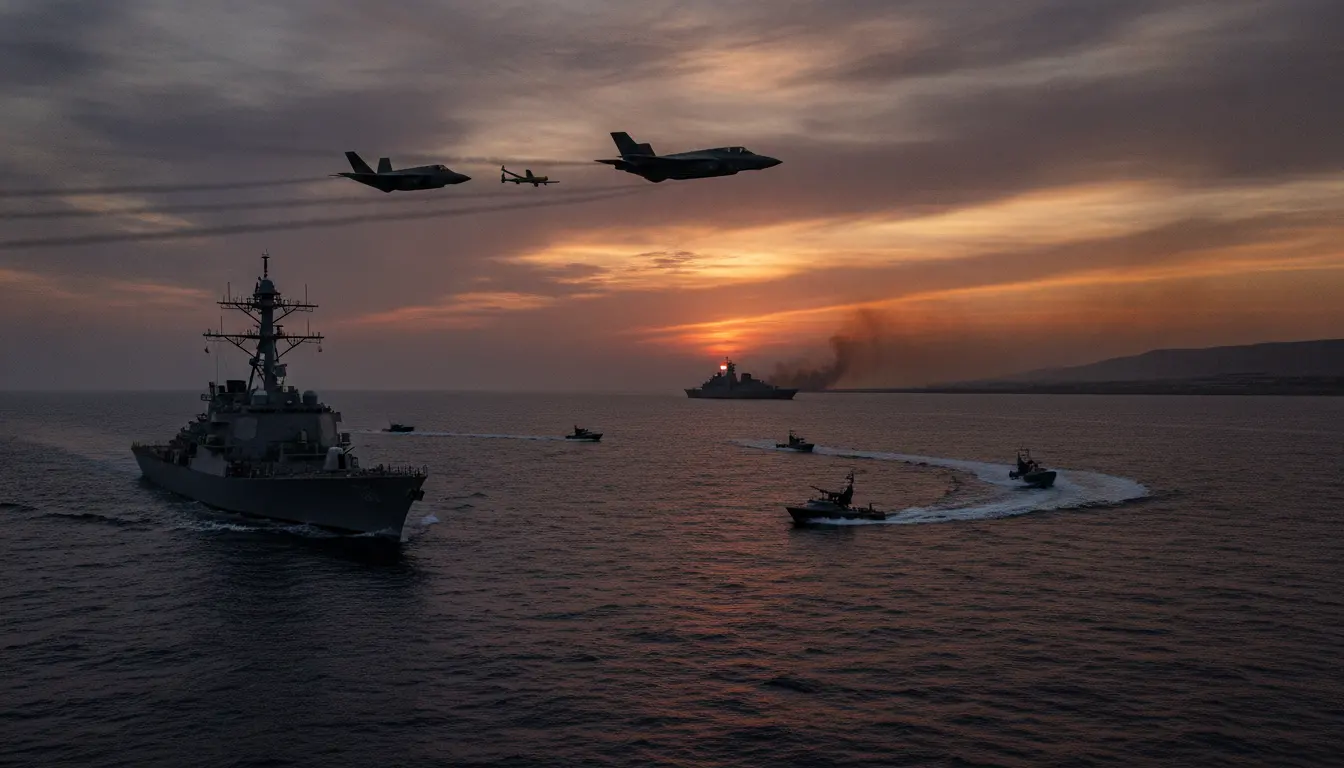
The international community has expressed profound alarm over the deteriorating security situation. Shipping insurers have increased premiums for vessels operating in the region, while maritime security agencies have issued repeated warnings to commercial operators. Major global economies, heavily reliant on the consistent flow of oil and gas through Hormuz, are particularly vulnerable to any disruption. The primary concern among analysts and policymakers is the potential for miscalculation. A single errant shot, a navigational error, or an overly aggressive maneuver could quickly spiral into a direct military engagement, with devastating consequences for regional stability, global energy prices, and the broader international order. The continued presence of U.S. and allied naval forces, while intended to deter, also inherently carries the risk of direct interaction with Iranian assets, turning routine patrols into potential flashpoints.
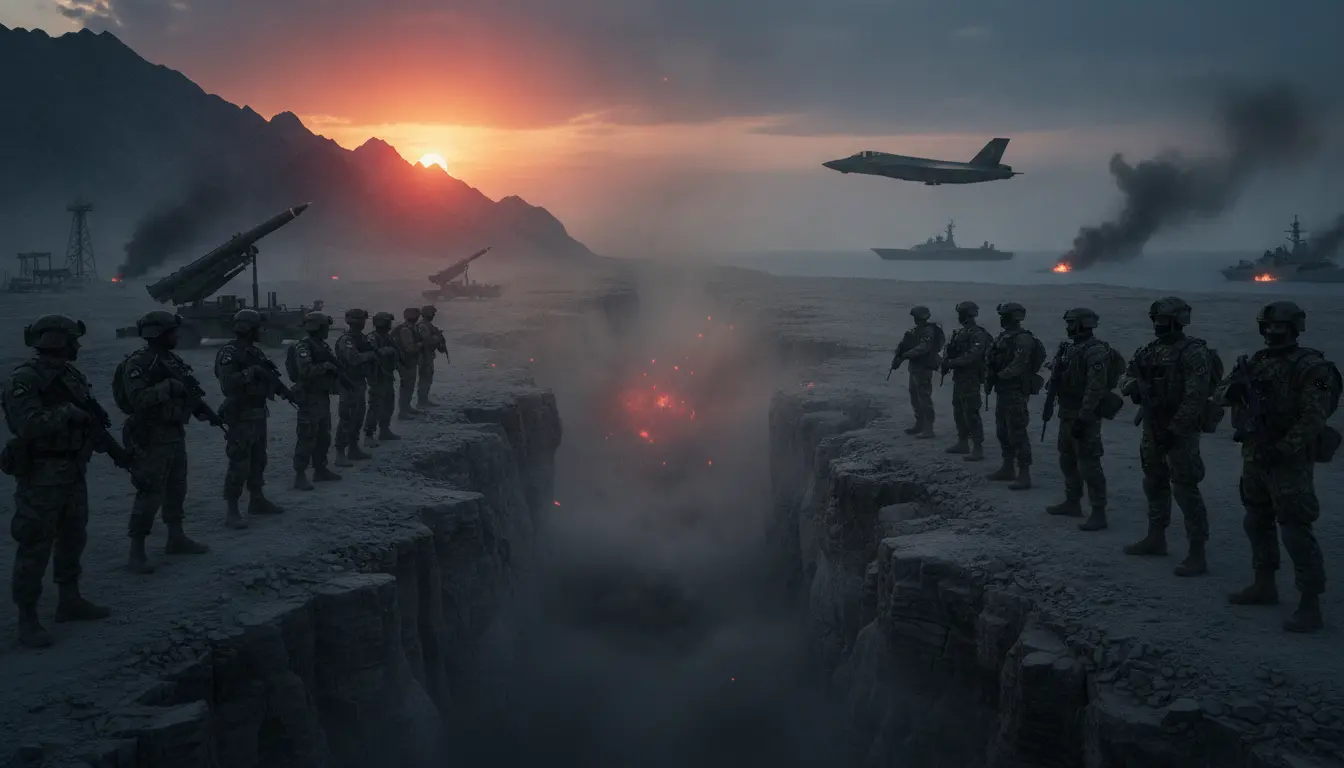
As the U.S. and its partners strive to maintain freedom of navigation and deter further Iranian aggression, the delicate balance of power in the Strait of Hormuz remains under intense scrutiny. Diplomacy, often pursued quietly behind the scenes, continues to be a critical, albeit challenging, avenue for de-escalation. However, as long as underlying geopolitical grievances persist and the strategic stakes remain exceptionally high, the possibility of a direct naval confrontation in this vital chokepoint will continue to cast a long shadow over the region, demanding constant vigilance from all parties involved.
Stay Informed. Act Smarter.
Get weekly highlights, major headlines, and expert insights — then put your knowledge to work in our live prediction markets.
Related News
US Bolsters Presence in Strait of Hormuz Amid Escalating Tensions with Iran
Analysts Warn of Growing Risk for Direct Iran-US Military Engagements
Middle East Tensions Soar Amid Warnings of Direct Iran-US Military Confrontation

Anticipation Builds for Highly Competitive Best Drama Series Race at 78th Primetime Emmy Awards in 2026

Matt Damon Crashes 'Jimmy Kimmel Live!' in a Trojan Horse to Troll Him: 'I Did It!'