

- News
- Politics
- U.S. Government Deliberates Over Substantial Humanitarian Aid Package for Venezuela's Earthquake Crisis
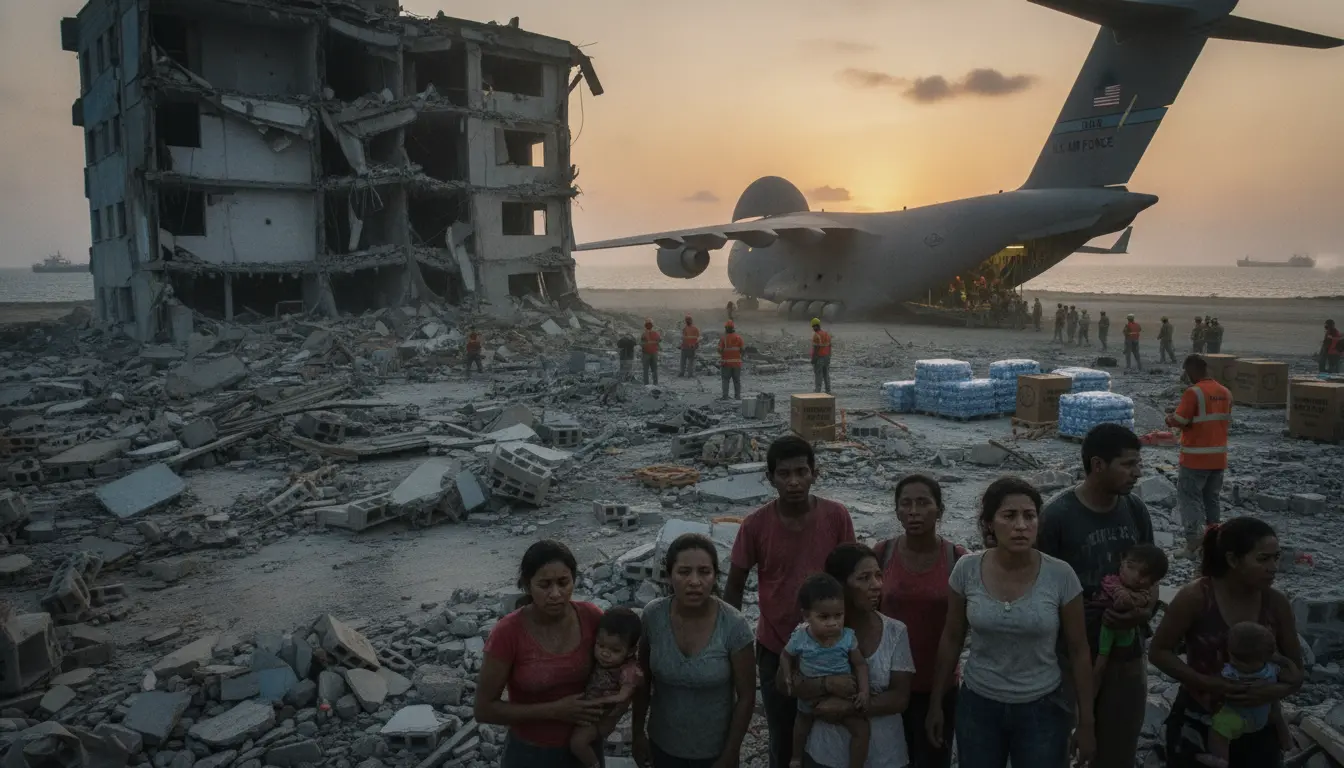
U.S. Government Deliberates Over Substantial Humanitarian Aid Package for Venezuela's Earthquake Crisis
Venezuela is grappling with the devastating aftermath of a series of powerful earthquakes that have exacerbated an already precarious humanitarian situation, prompting urgent appeals for international assistance. In response to the escalating crisis, the United States government is actively deliberating the provision of a significant official humanitarian aid package, potentially exceeding $100 million, to support relief and recovery efforts. The decision comes at a critical juncture for the South American nation, where crumbling infrastructure, a strained healthcare system, and deep-seated political and economic instability threaten to amplify the disaster's long-term impact on its populace. The scale of the destruction and the rising death toll have presented a profound challenge, requiring a swift and coordinated global response.
The recent seismic events have reportedly caused widespread damage across several Venezuelan states, triggering landslides, collapsing buildings, and disrupting essential services like power and water. While official casualty figures remain difficult to ascertain amid the chaos, reports from affected regions paint a grim picture of communities struggling to cope. Thousands have been displaced, and access to food, shelter, and medical care has become critically urgent. Venezuela’s pre-existing economic crisis, marked by hyperinflation, severe shortages of basic goods, and mass migration, means that its capacity to respond to a major natural disaster is severely limited. International aid organizations and local NGOs have been quick to highlight the immediate needs, emphasizing the importance of rapid resource mobilization to prevent a further catastrophic decline in living conditions.
The prospect of substantial U.S. aid, particularly an amount surpassing $100 million, introduces a complex layer of political and diplomatic considerations given the long-standing frosty relationship between Washington and Caracas. For years, the two nations have been at odds, with the U.S. imposing extensive sanctions on Venezuela’s government and state-owned enterprises, primarily targeting the oil sector and key political figures. These sanctions, initially intended to pressure President Nicolás Maduro’s administration towards democratic reforms, have been a point of contention and have significantly isolated Venezuela from much of the international financial system. Delivering aid under such circumstances requires careful navigation to ensure it reaches those most in need without inadvertently bolstering a regime the U.S. does not officially recognize as legitimate. The challenge lies in balancing humanitarian imperatives with strategic foreign policy objectives.
Inside the Biden administration, discussions are reportedly underway across various departments, including the State Department and the U.S. Agency for International Development (USAID), to determine the most effective and politically feasible mechanisms for delivering assistance. A significant aid package would likely be channeled through reputable international organizations, such as the United Nations or the International Federation of Red Cross and Red Crescent Societies, or directly to vetted non-governmental organizations operating within Venezuela, rather than through direct government-to-government transfers. This approach aims to circumvent potential diversions and ensure accountability. The $100 million figure is not merely an arbitrary sum; it signifies a substantial commitment that could fund large-scale emergency relief, medical supplies, temporary shelters, and initial reconstruction efforts, making a tangible difference in the lives of millions affected.
The broader international community has also begun to mobilize, with several countries and humanitarian agencies offering assistance. However, the sheer scale of the Venezuelan crisis, compounded by the earthquake, demands a level of coordinated global effort that has historically been challenging to achieve in the country due to its unique political landscape. The urgent need for medical personnel, search and rescue teams, and logistical support highlights the immediate priority, but the long-term recovery will require sustained investment in rebuilding infrastructure, health services, and housing. The effectiveness of any aid hinges on the ability of international bodies to operate freely and transparently within Venezuela, a perennial concern for many donor nations.
Looking ahead, the decision by the U.S. government on the aid package will be closely watched, not only for its humanitarian impact but also for its potential diplomatic implications. A substantial gesture of assistance could potentially open avenues for dialogue or, at the very least, demonstrate a commitment to the Venezuelan people irrespective of political differences. However, the path to recovery for Venezuela is long and arduous. The ongoing deliberations in Washington underscore the complex interplay between geopolitics and humanitarian intervention, as a nation already on the brink grapples with an unforeseen natural catastrophe, desperately in need of a lifeline. The imperative remains clear: to alleviate suffering and support the monumental task of rebuilding lives and communities in the wake of such profound devastation.
Stay Informed. Act Smarter.
Get weekly highlights, major headlines, and expert insights — then put your knowledge to work in our live prediction markets.
Related News
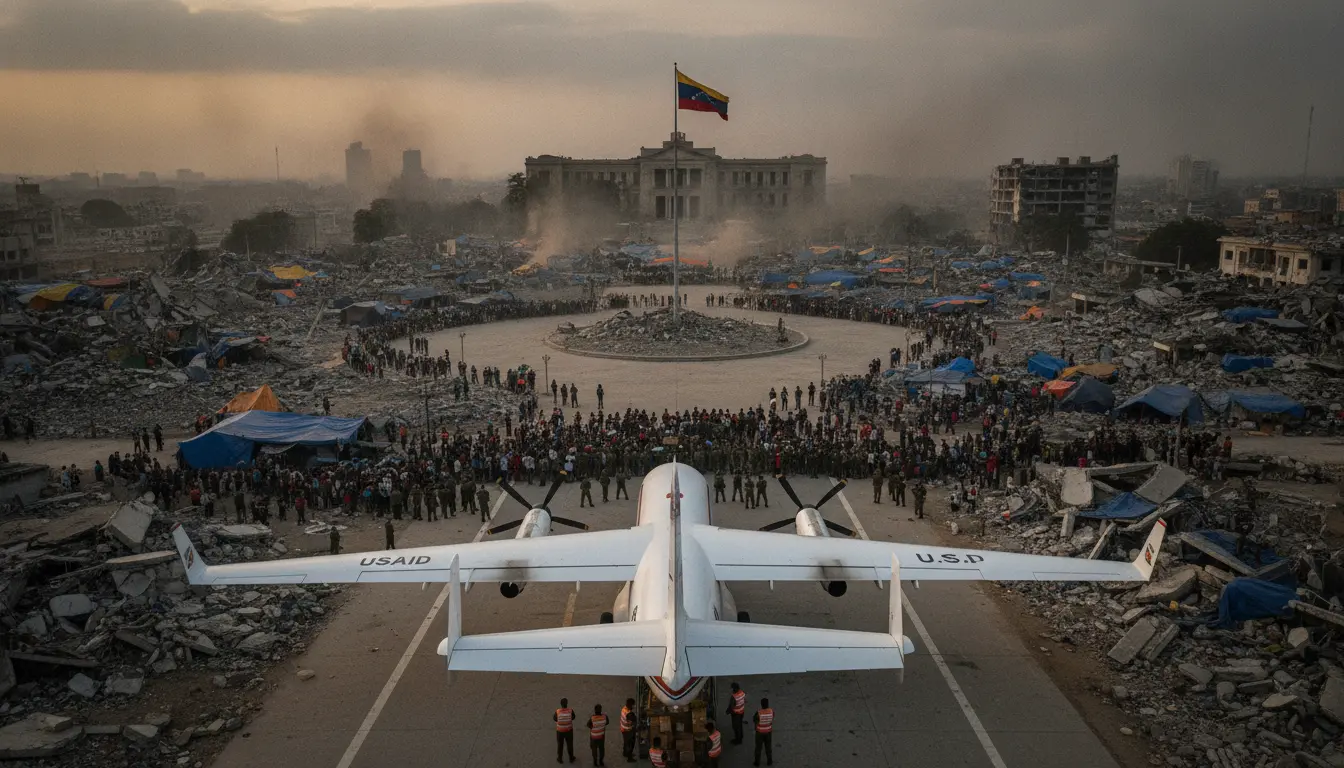
Venezuela Faces Pressure to Accept U.S. Humanitarian Aid Amidst Post-Quake Crisis
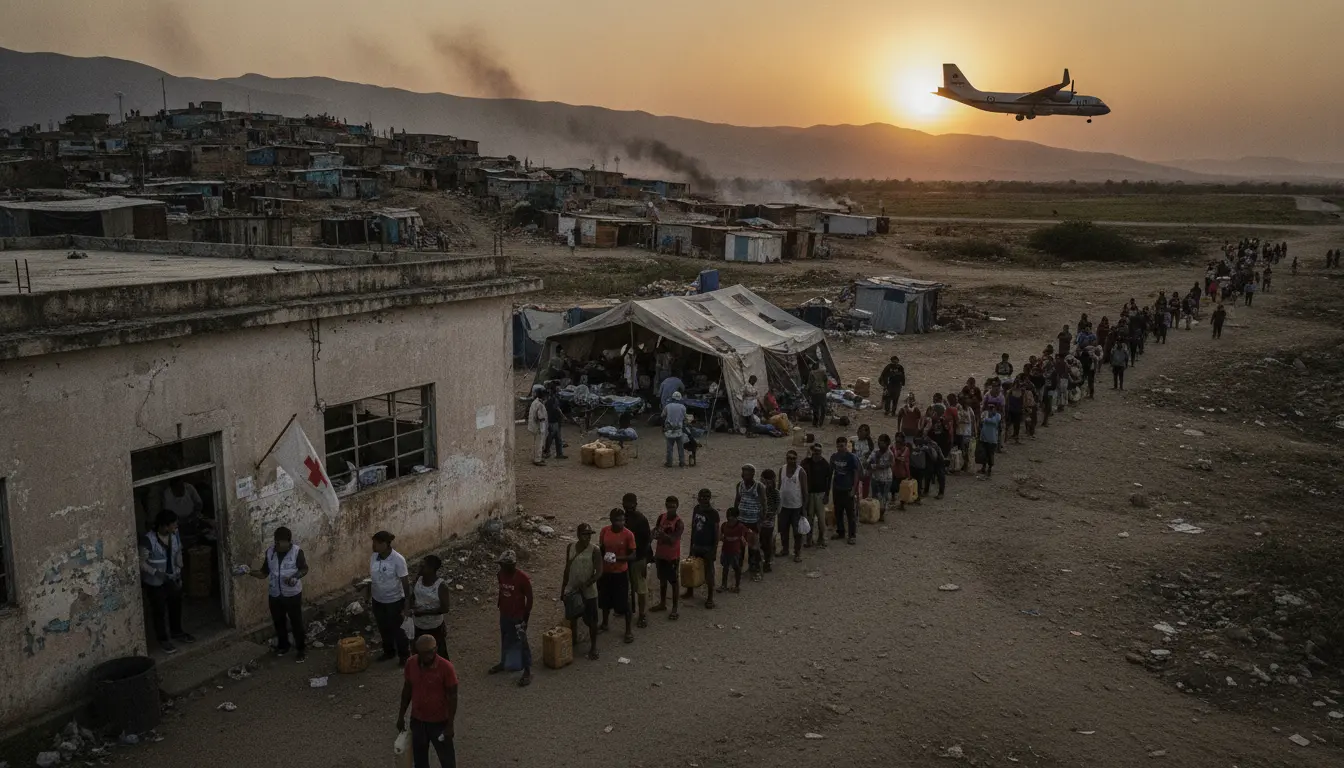
Venezuela's Humanitarian Crisis Prompts Renewed Push for Major International Aid

U.S. and Venezuela Explore Path to Renewed Diplomatic Ties Amid Easing Tensions

Devastating Earthquake Rocks Venezuela, Initial Death Toll Reaches 32 Amid Intense Rescue Efforts
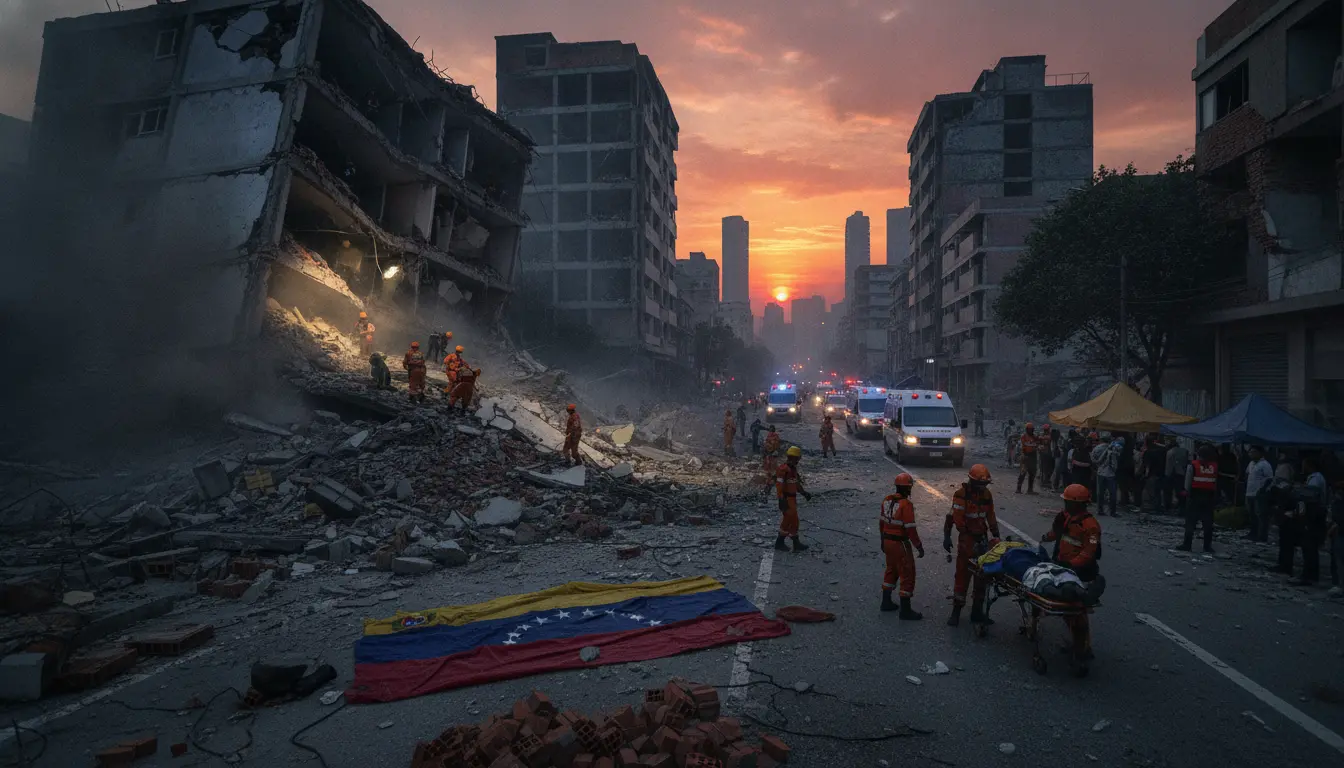
Deadly Earthquakes Strike Venezuela, Casualties Mount as Rescue Efforts Continue
US Explores Major Oil Trade Pact with Venezuela Amid Sanctions Relief Talks
Trump Signals Intent for Major Oil Deal with Venezuela, Prompting Scrutiny Over Sanctions and Geopolitics
President Trump Unveils Major Deal to Secure Venezuelan Oil Reserves

Trump-Backed Venezuela Oil Agreement Faces Stiff Congressional Resistance
Trump's Initial Iran Memorandum of Understanding Ignites Bipartisan Congressional Scrutiny