

- News
- Politics
- Trump Proposes Levying Tolls on US Vessels in Strait of Hormuz, Signaling Major Policy Shift
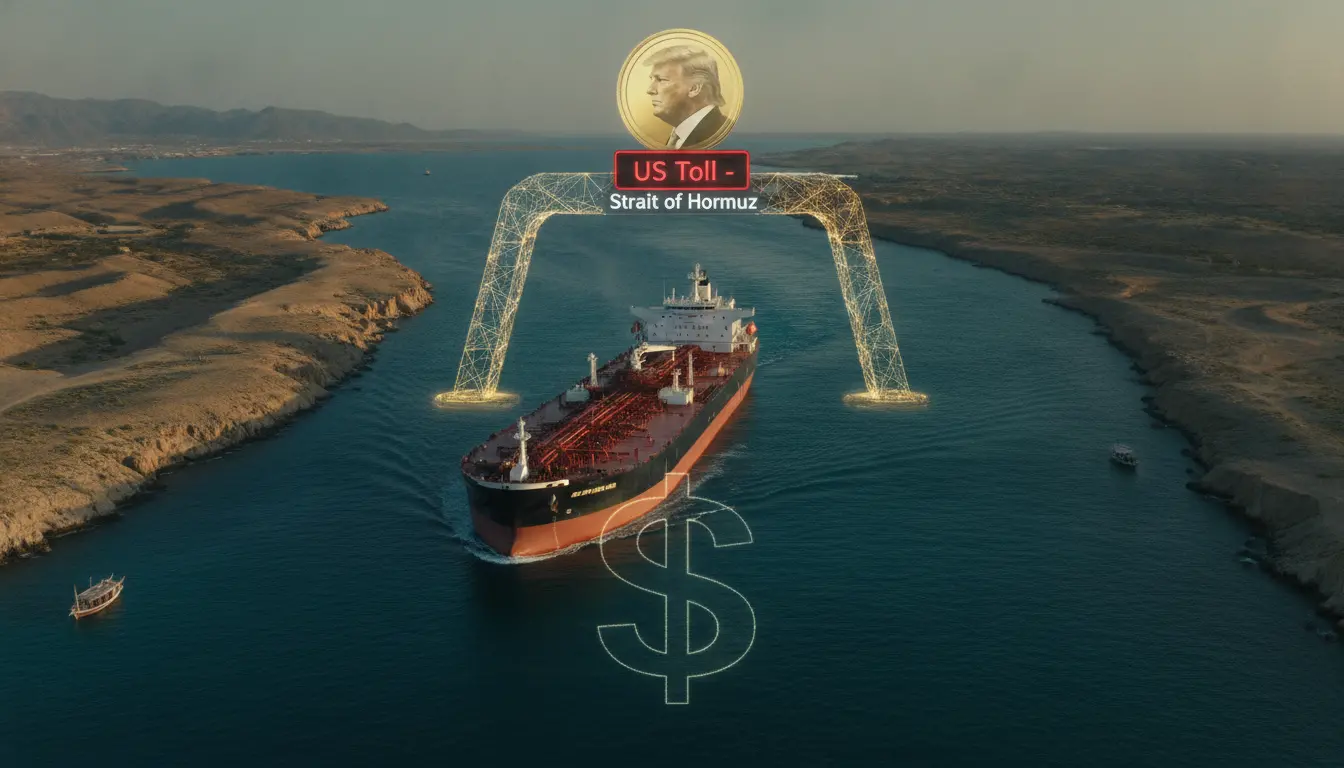
Trump Proposes Levying Tolls on US Vessels in Strait of Hormuz, Signaling Major Policy Shift
Donald Trump has outlined a provocative foreign policy proposal, threatening to impose tolls on U.S. shipping navigating the strategically vital Strait of Hormuz if a new, comprehensive agreement with Iran is not finalized within a specified timeframe. This declaration, made during a period of heightened geopolitical tensions, signals a potential radical departure from decades of established U.S. foreign policy and maritime conventions, carrying significant implications for international trade, energy markets, and regional stability in the Middle East.
The Strait of Hormuz is one of the world's most critical maritime chokepoints, through which approximately one-fifth of the world's total petroleum consumption, including a substantial portion of U.S.-bound oil, passes daily. For generations, the United States has upheld the principle of freedom of navigation in international waters, deploying naval assets to ensure unimpeded passage through such vital arteries. Unilaterally imposing tolls, particularly on vessels flying the U.S. flag, would not only challenge international maritime law, specifically the United Nations Convention on the Law of the Sea (UNCLOS), but also fundamentally alter the nature of U.S. engagement in a region already prone to volatility. The historical context includes numerous instances of Iranian harassment of commercial shipping and past threats to close the Strait, underscoring its constant geopolitical sensitivity.
Trump's proposed policy is deeply rooted in his long-standing hardline stance against Iran. During his previous administration, he withdrew the U.S. from the Joint Comprehensive Plan of Action (JCPOA), the multilateral nuclear deal, and subsequently implemented a “maximum pressure” campaign aimed at crippling Iran's economy and forcing it to negotiate a more expansive agreement. The current threat of tolls appears to be a continuation of this strategy, designed to create economic leverage and pressure Iran into a deal that would address not only its nuclear program but also its ballistic missile development and destabilizing regional activities. The conditionality of the proposal—contingent on the failure to reach a desired Iran deal—highlights a transactional approach to diplomacy, where economic coercion becomes a primary tool for achieving foreign policy objectives.
Implementing such a policy would face immense legal and practical hurdles. International law firmly establishes the right of transit passage through straits used for international navigation. Any attempt by the U.S. to charge its own vessels for passage would effectively be an acknowledgment of a right to levy tolls, which could then be mirrored or challenged by other states, potentially leading to a fragmentation of maritime norms. Practically, enforcing such a toll, determining which vessels qualify as “U.S. shipping,” and managing the logistics of collection would be an unprecedented administrative and security challenge. Moreover, such a move could provoke strong opposition from international allies and shipping partners who rely on the unhindered flow of goods through the Strait.
The geopolitical ramifications of such a policy could be profound. It risks escalating tensions with Iran, which has historically viewed the Strait as a vital component of its national security and has previously threatened to disrupt shipping in response to perceived provocations. The imposition of tolls could be seen as an act of economic warfare, potentially leading to retaliatory measures that further destabilize the Gulf region. Global energy markets would likely react with volatility, driving up oil prices and insurance premiums for all vessels traversing the Strait. Furthermore, it could strain relationships with key U.S. allies in Europe and Asia who champion the principles of open seas and who might view this as a unilateral undermining of international law, thereby complicating broader diplomatic efforts.
While the specific timeframe mentioned in the original context (August 2026) suggests a potential long-term policy goal if Trump were to return to office, the immediacy of his rhetoric underscores the potential for rapid shifts in U.S. foreign policy. This proposal represents not merely a tactical adjustment but a fundamental reevaluation of U.S. commitments to international maritime order and its approach to regional security. As the world watches the unfolding political landscape, the prospect of such a policy indicates a future where established international norms could be challenged, and economic leverage applied in novel, and potentially disruptive, ways to achieve foreign policy aims, making the Strait of Hormuz a focal point of future global contention.
The debate around this proposal is set to intensify, particularly as it intersects with broader discussions about international law, energy security, and the future of U.S. leadership on the global stage. Its implementation would not only redefine the rules of engagement in critical waterways but also reverberate across global economies and diplomatic relations for years to come.
Stay Informed. Act Smarter.
Get weekly highlights, major headlines, and expert insights — then put your knowledge to work in our live prediction markets.
Related News
Trump says US will begin charging tolls in Strait of Hormuz if final Iran deal not reached in 60 days
U.S. Considers Naval Blockade in Strait of Hormuz Amid Escalating Tensions with Iran
U.S. Considers Strategic Military Options Amid Heightened Tensions in Strait of Hormuz
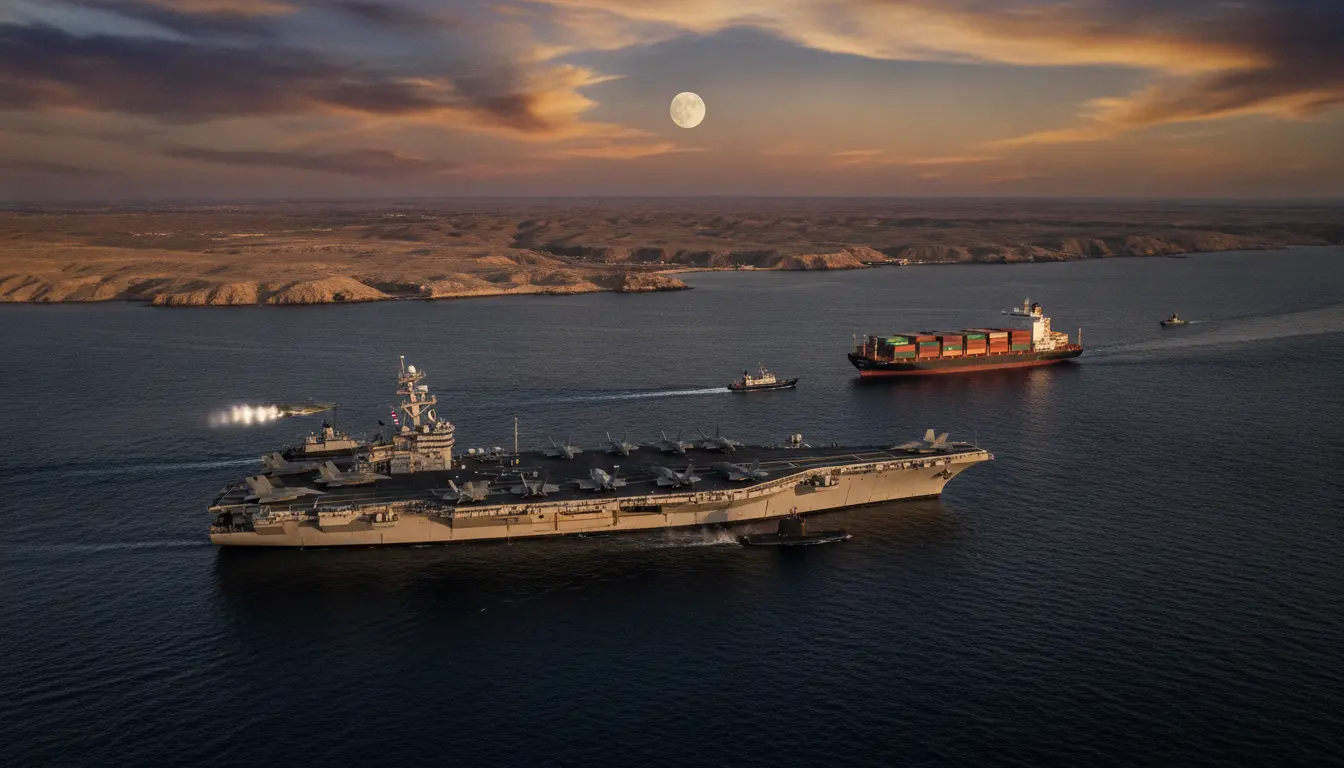
US Issues Ultimatum to Iran on Strait of Hormuz Shipping Amid Renewed Hostilities
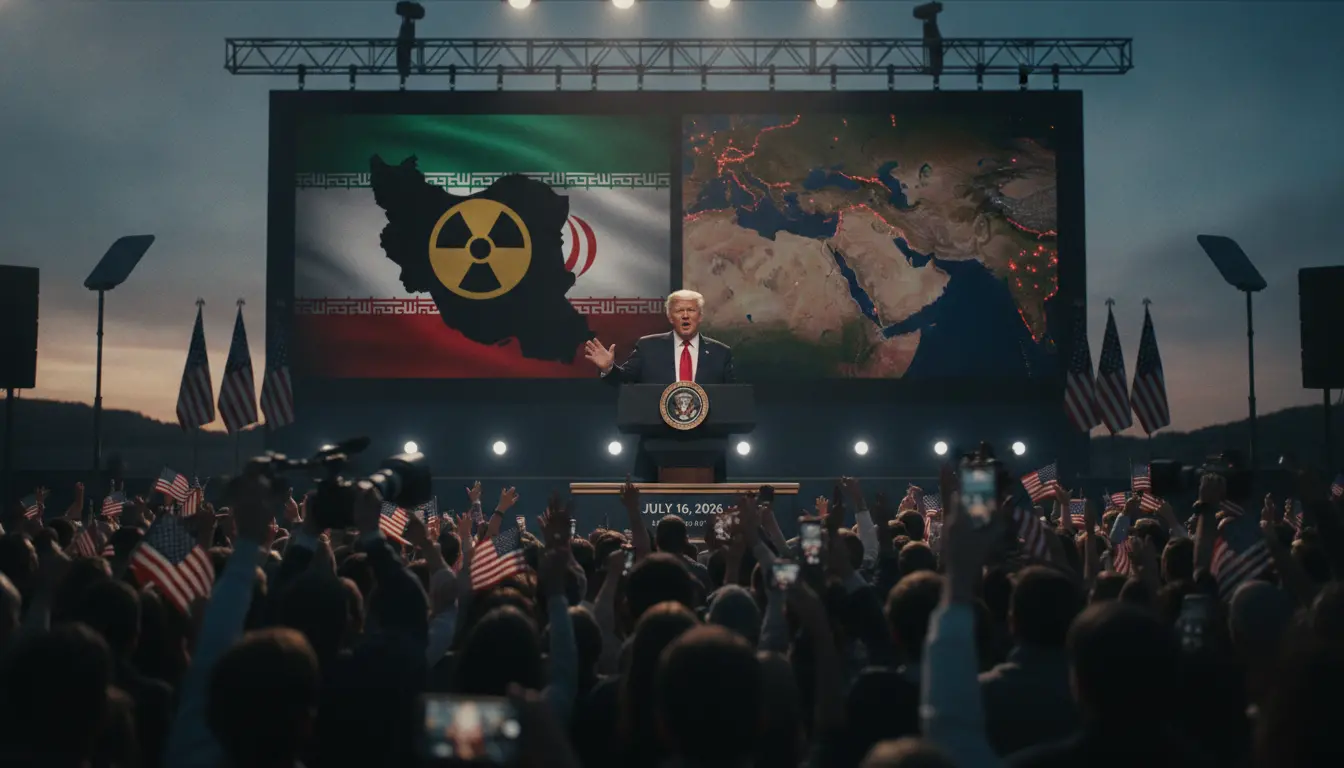
President Trump Poised to Announce New Iran Sanctions Amid Escalating Regional Tensions
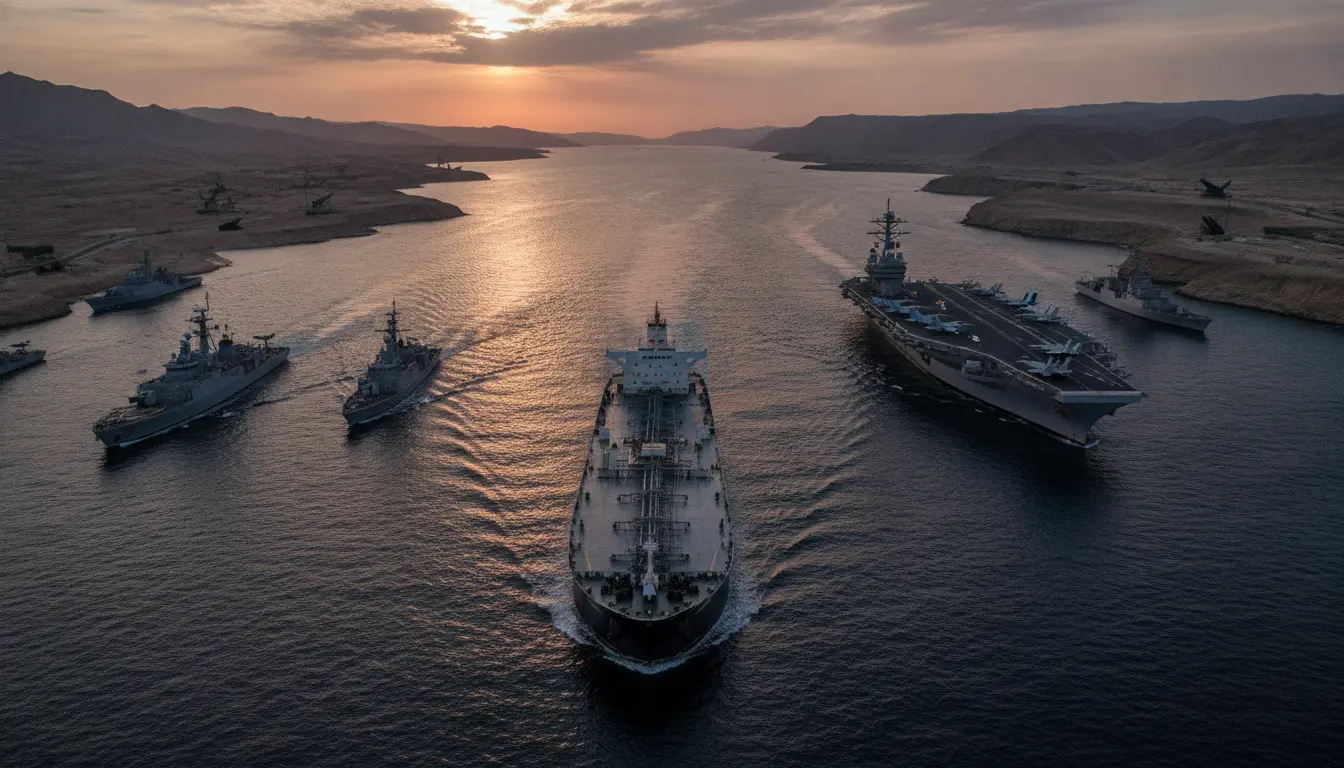
Geopolitical Alarm Rings as US-Iran Standoff Threatens Strait of Hormuz Shipping
Potential Trump Administration Eyes Significant Economic Sanctions Escalation Against Iran

US-Iran Tensions Escalate, Jeopardizing Global Shipping Through Strait of Hormuz
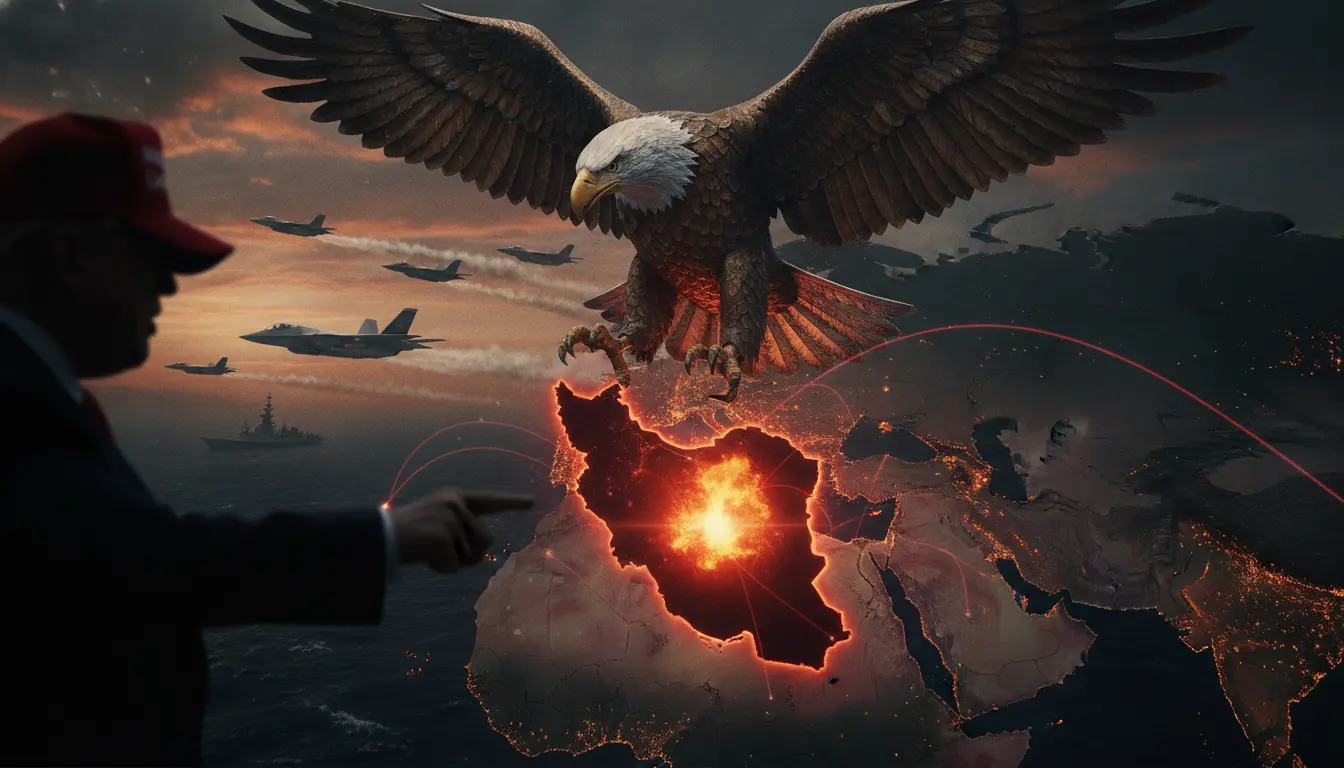
Former President Trump Threatens Renewed US Military Action Against Iran Amid Escalating Regional Tensions
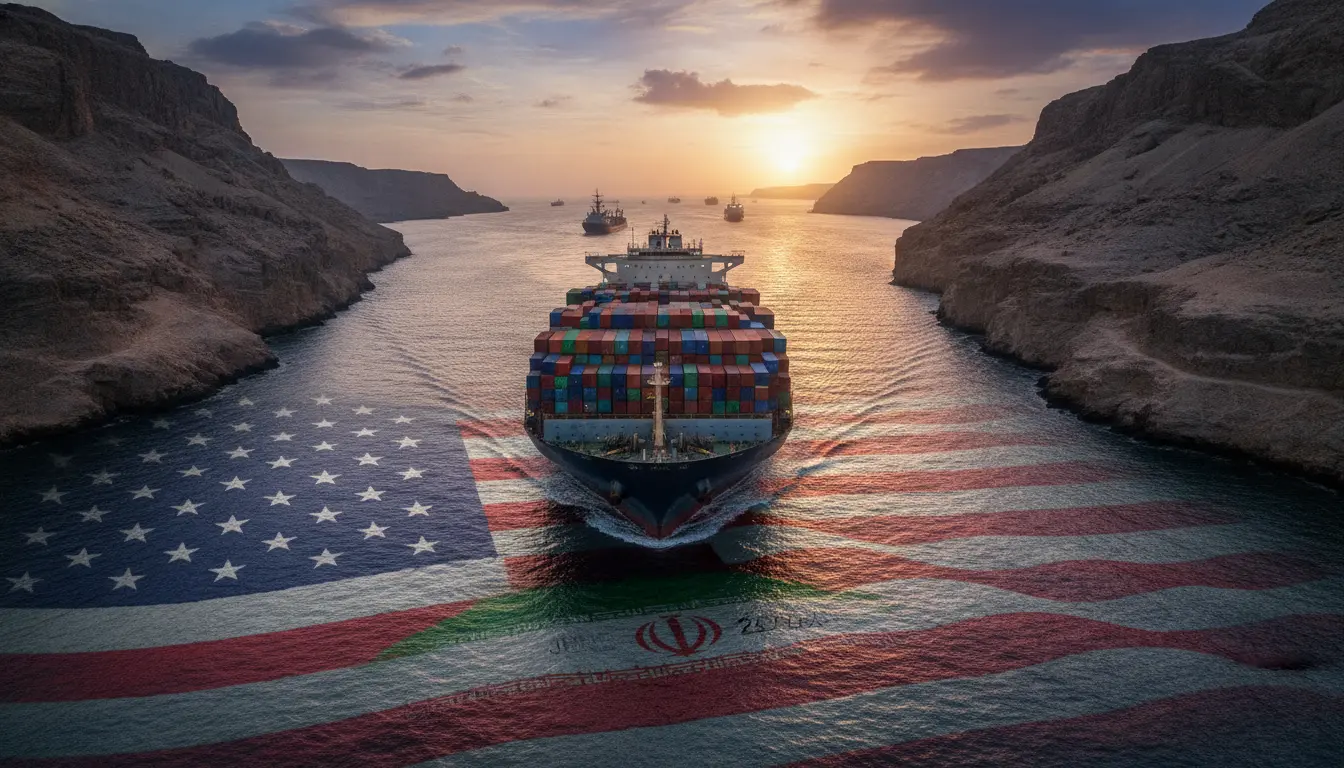
Will the Strait of Hormuz be fully reopened to international shipping by Friday, June 20, 2026?