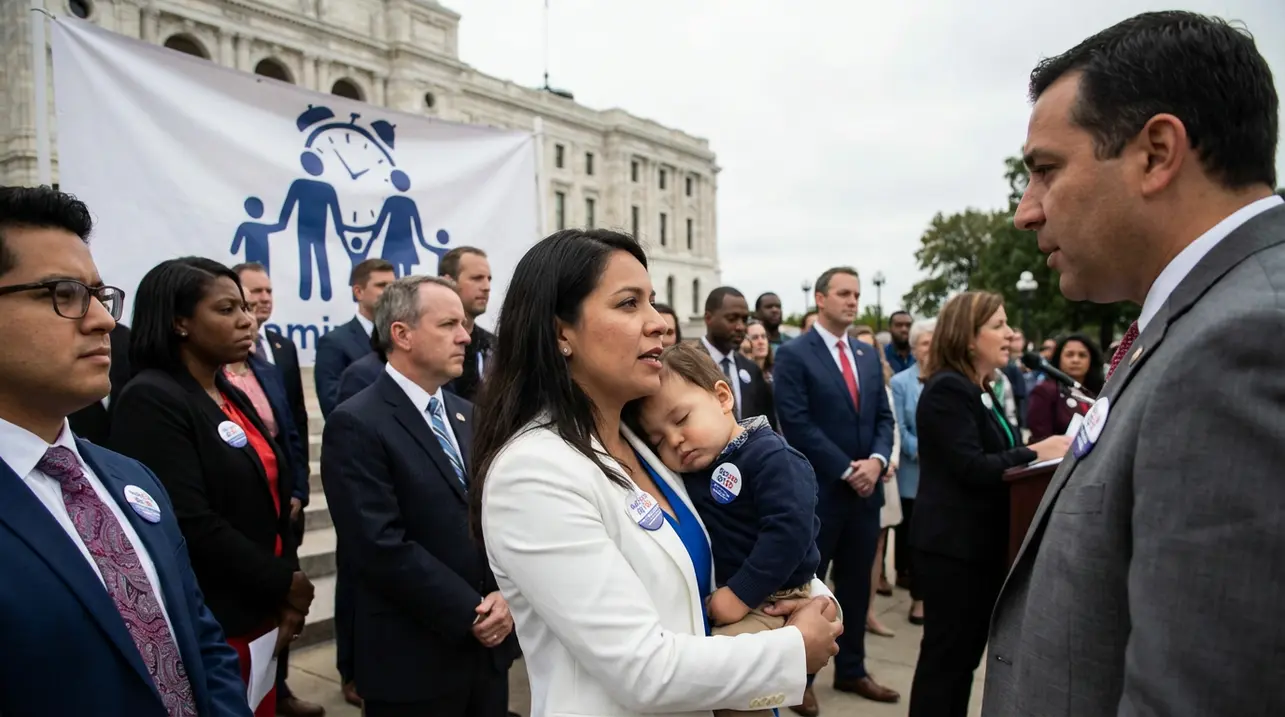
For decades, the fight for a national paid family and medical leave program in the United States has been dismissed as a progressive fantasy, a policy casualty in a political landscape hostile to social spending. Yet, the conventional wisdom that this is an unwinnable battle is being upended.The post-pandemic reckoning over work, care, and gender equity has injected a new, tangible urgency into the debate, forging a coalition that stretches beyond traditional advocates. We now see state-level successes from New Jersey to Colorado, proving bipartisan appeal, and a growing chorus of business leaders—facing chronic talent shortages and burnout—who now frame leave as a retention tool, not a cost.This shift is critical because the struggle for paid leave is inextricably linked to the deeper systemic barriers holding women back in the workplace. It's not just about time off; it's about the 'opportunity gap' where women are still funneled into lower-growth roles and lack the sponsors, not just mentors, needed to ascend.The childcare crisis has laid bare the economic penalty of caregiving, making paid leave a foundational step toward restructuring a labor market that currently forces impossible choices. Framing this as merely a 'women's issue' or a social benefit has been the historical stumbling block.The path to victory hinges on recasting it as an undeniable economic imperative—essential for workforce participation, narrowing the gender pay gap, and providing stability for all families. While opposition rooted in cost fears and outdated models persists, the alignment of economic necessity, public demand, and proven state models suggests the political feasibility is higher than we've been led to believe. The fight is moving from the margins to the mainstream.
#Paid Leave
#Labor
#Gender Gap
#Workforce
#Caregiving
#Policy
#week's picks
Stay Informed. Act Smarter.
Get weekly highlights, major headlines, and expert insights — then put your knowledge to work in our live prediction markets.