

- News
- Politics
- Supreme Court Set to Deliver Landmark Ruling on Presidential Authority Over Federal Reserve Governors
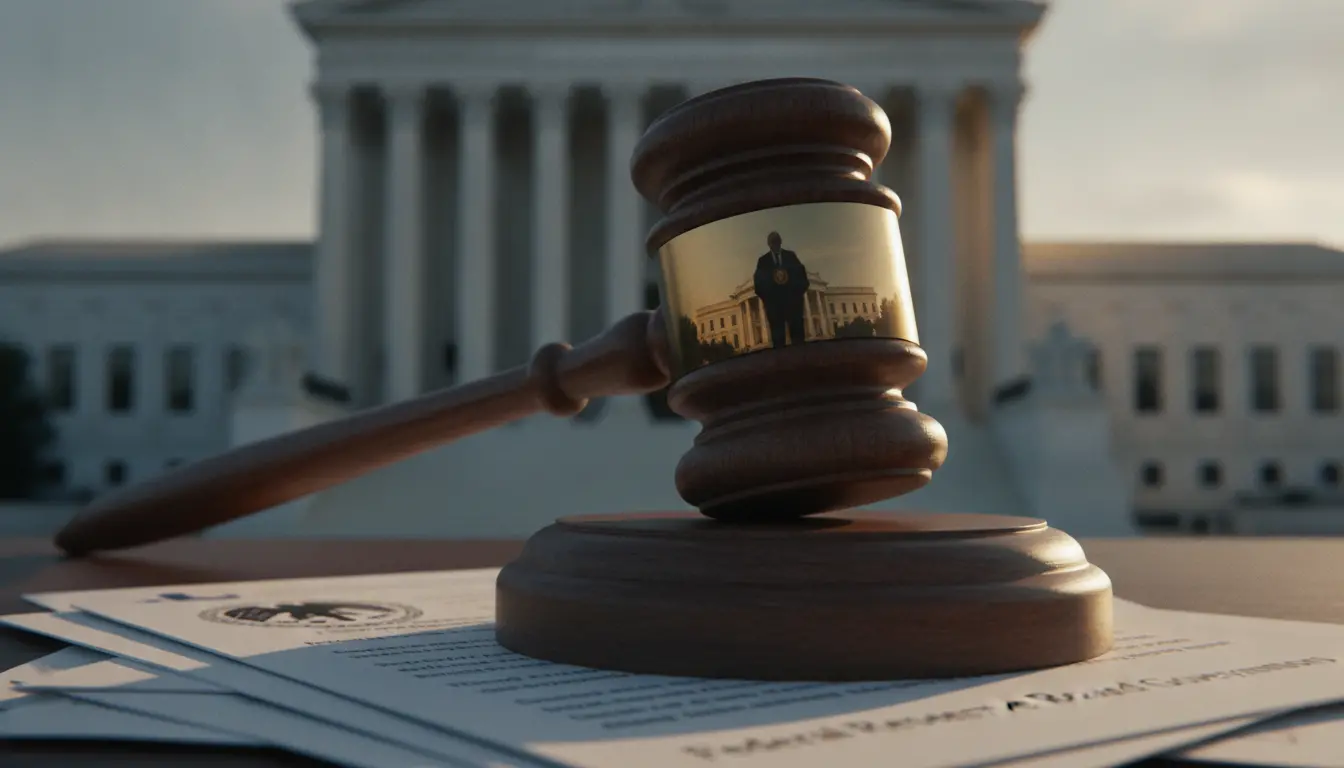
Supreme Court Set to Deliver Landmark Ruling on Presidential Authority Over Federal Reserve Governors
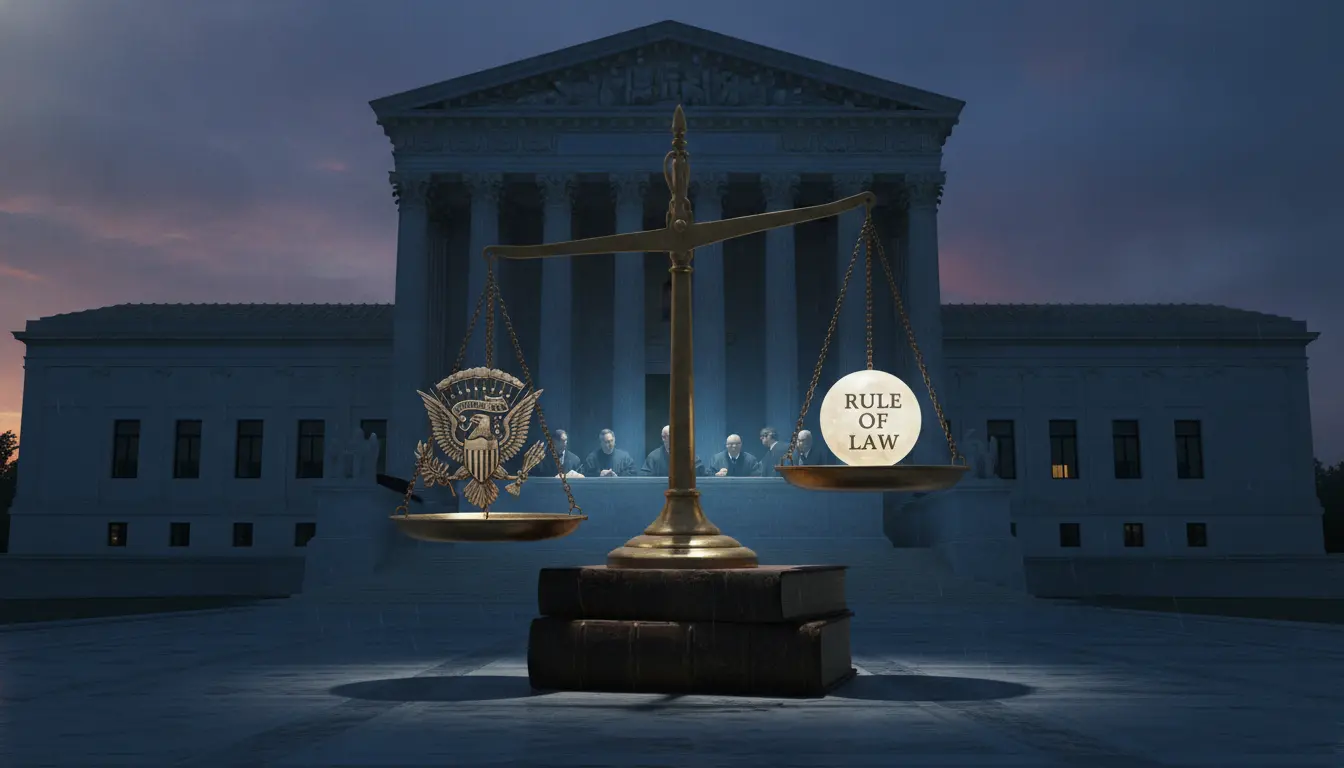
The United States Supreme Court is poised to issue a decision that could profoundly reshape the balance of power between the executive branch and independent federal agencies, specifically focusing on the President's authority to remove Federal Reserve governors. This highly anticipated ruling, expected in the coming months, addresses a fundamental question regarding the constitutional limits of presidential control over institutions designed to operate free from political interference.
At the heart of the legal challenge lies the statutory protection granted to Federal Reserve governors, who serve staggered 14-year terms and can traditionally only be removed by the President for “cause.” This structure was deliberately established to insulate the nation's central bank from short-term political pressures, allowing it to make monetary policy decisions based on economic data rather than partisan dictates. The Fed's independence is widely considered crucial for maintaining financial stability, controlling inflation, and fostering sustainable economic growth, as it prevents sudden shifts in policy with each change in administration.
The case forces the Supreme Court to revisit decades of precedent concerning the President's Article II executive power versus Congress's ability to create independent agencies with protected leadership. Advocates for expanded presidential authority argue that the President must have the power to remove any executive branch official, regardless of statutory limitations, to ensure accountability and the unified execution of policy. They contend that the “for cause” removal standard unduly restricts the President's constitutional duty to oversee the executive branch. Historically, the Court has grappled with this tension, notably in cases like Humphrey's Executor (1935), which upheld Congress's right to limit presidential removal power for officials in quasi-legislative or quasi-judicial agencies, and more recently Seila Law LLC v. Consumer Financial Protection Bureau (2020), which struck down for-cause removal protections for a single-director agency.
Opponents of unfettered presidential removal power emphasize the critical role of independent agencies in a complex modern government. They argue that specific expertise and non-partisanship are essential for agencies like the Federal Reserve, which manage highly technical and sensitive areas of public policy. Weakening the protections for Fed governors, they contend, would expose monetary policy to direct political manipulation, potentially leading to decisions driven by electoral cycles rather than sound economic principles. This could erode domestic and international confidence in the U.S. financial system, sparking volatility in markets and undermining the Fed's credibility.
The implications of a ruling granting the President the power to fire Fed governors without cause extend far beyond the central bank. Many other independent agencies, including the Federal Trade Commission (FTC), the Securities and Exchange Commission (SEC), and the Federal Communications Commission (FCC), operate with similar statutory protections for their leadership. A broad decision could empower future presidents to unilaterally reshape the leadership and, by extension, the policy direction of numerous regulatory bodies, centralizing immense power in the Oval Office and fundamentally altering the administrative state.
Such a shift would reignite debates about the separation of powers and the extent to which Congress can create truly independent bodies to administer law. It could lead to a more politicized bureaucracy, where expert decisions are overshadowed by executive preferences. For the Federal Reserve specifically, any perception of diminished independence could complicate its efforts to manage inflation, employment, and financial risks, particularly during times of economic uncertainty or crisis.
As the nation awaits the Supreme Court's judgment, the legal community, financial markets, and political observers are keenly aware of the profound and lasting impact this decision will have on American governance. The ruling will not only redefine presidential power over the Federal Reserve but also set a crucial precedent for the independence of federal agencies across the entire U.S. government, shaping the institutional landscape for decades to come.
Stay Informed. Act Smarter.
Get weekly highlights, major headlines, and expert insights — then put your knowledge to work in our live prediction markets.
Related News
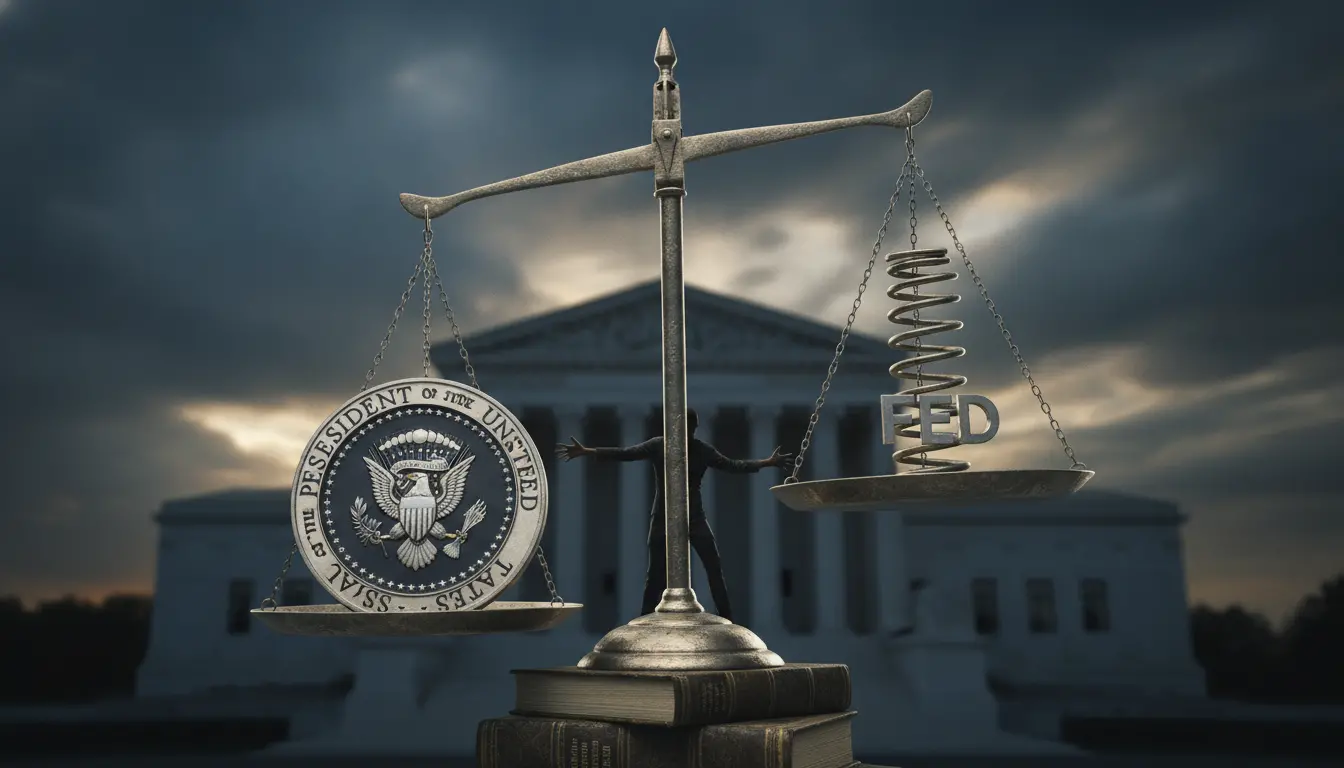
Supreme Court Poised to Redefine Presidential Authority Over Federal Reserve Leadership

Supreme Court Poised to Redefine Presidential Authority Over Federal Reserve Governors
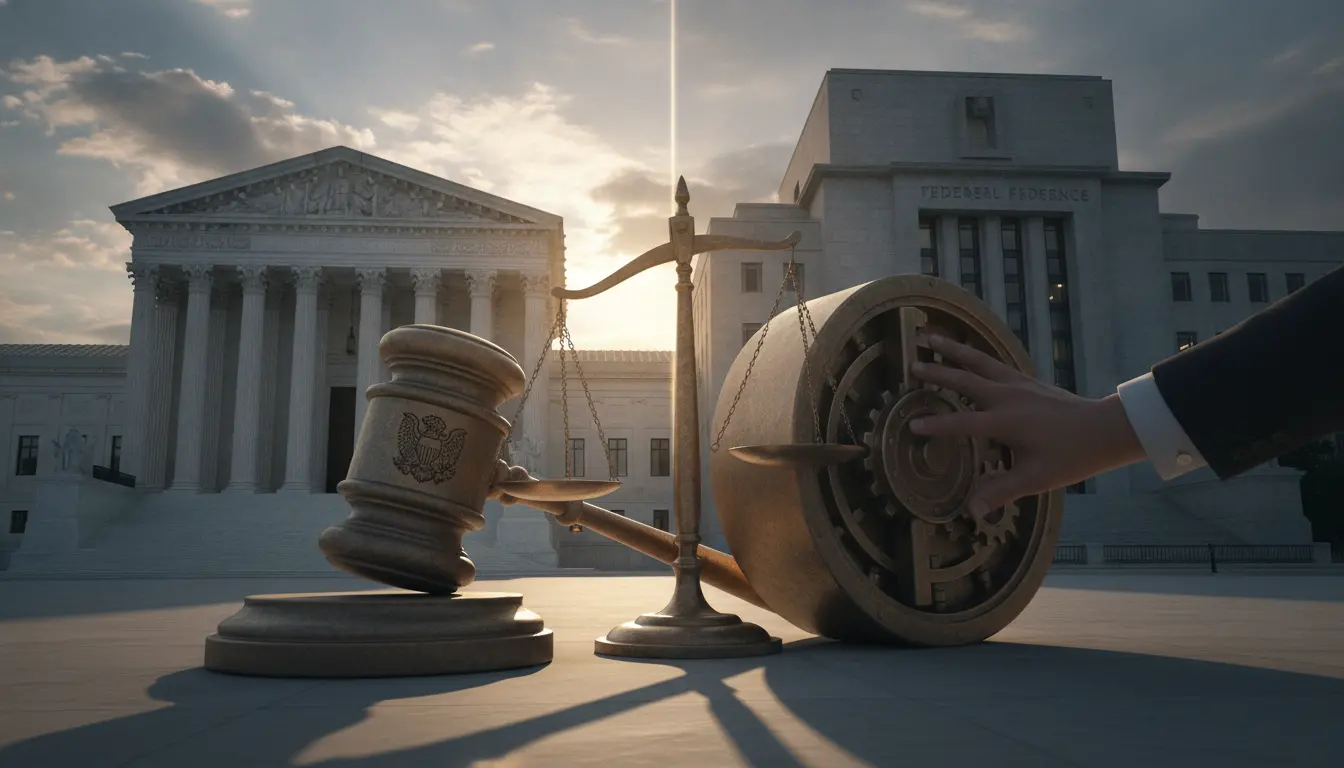
Supreme Court Weighs Presidential Power to Remove Federal Reserve Governors
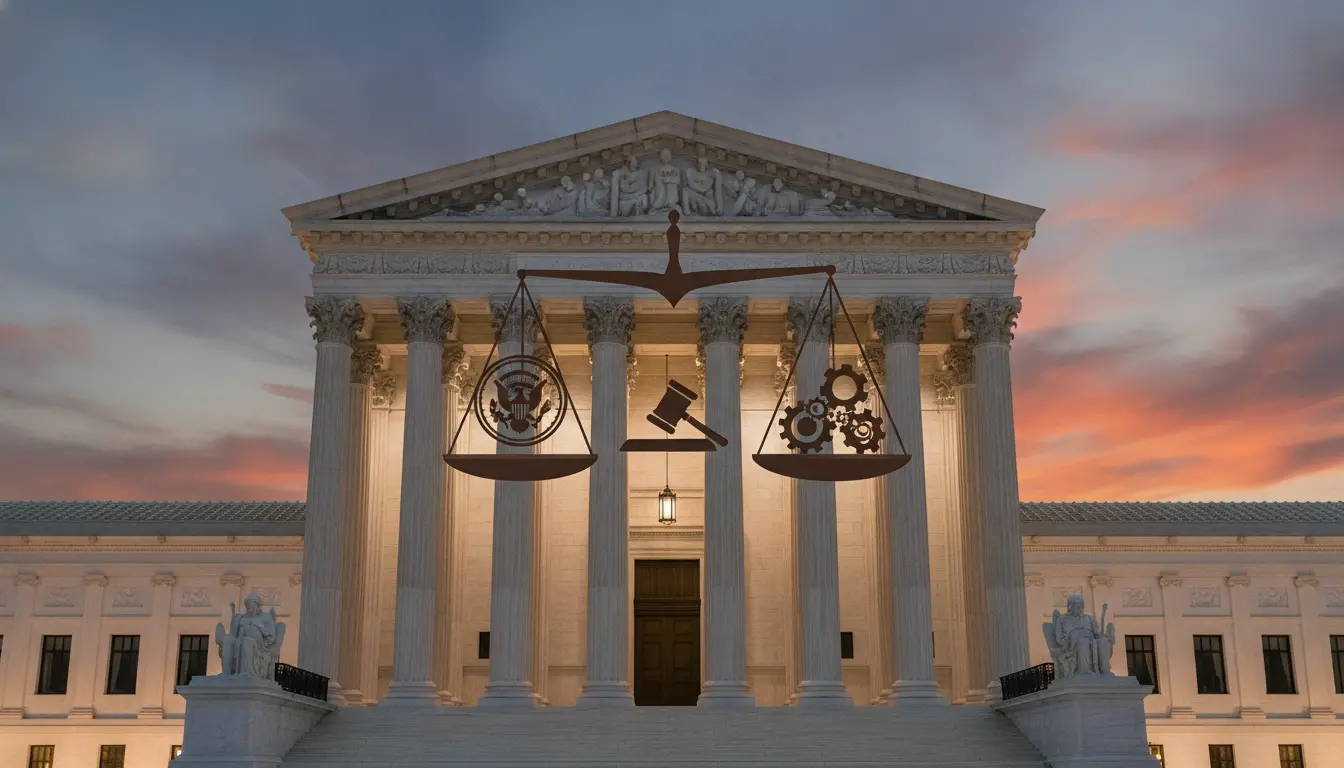
Supreme Court Deliberates Presidential Authority to Remove Federal Reserve Governors
Supreme Court Examines Presidential Authority Over Federal Reserve Governor Removals
Supreme Court Weighs President's Power to Fire Federal Reserve Governors
Supreme Court Expands Presidential Authority to Remove Independent Agency Heads, Redefining Executive Control

Trump Reportedly Renews Push to Remove Federal Reserve Governor Lisa Cook, Setting Stage for Constitutional Clash
Supreme Court Rulings Ignite Debate Over Presidential Authority to Challenge FCC Leadership
U.S. Supreme Court Deliberates Sweeping Presidential Immunity Claims Amidst Landmark Case