

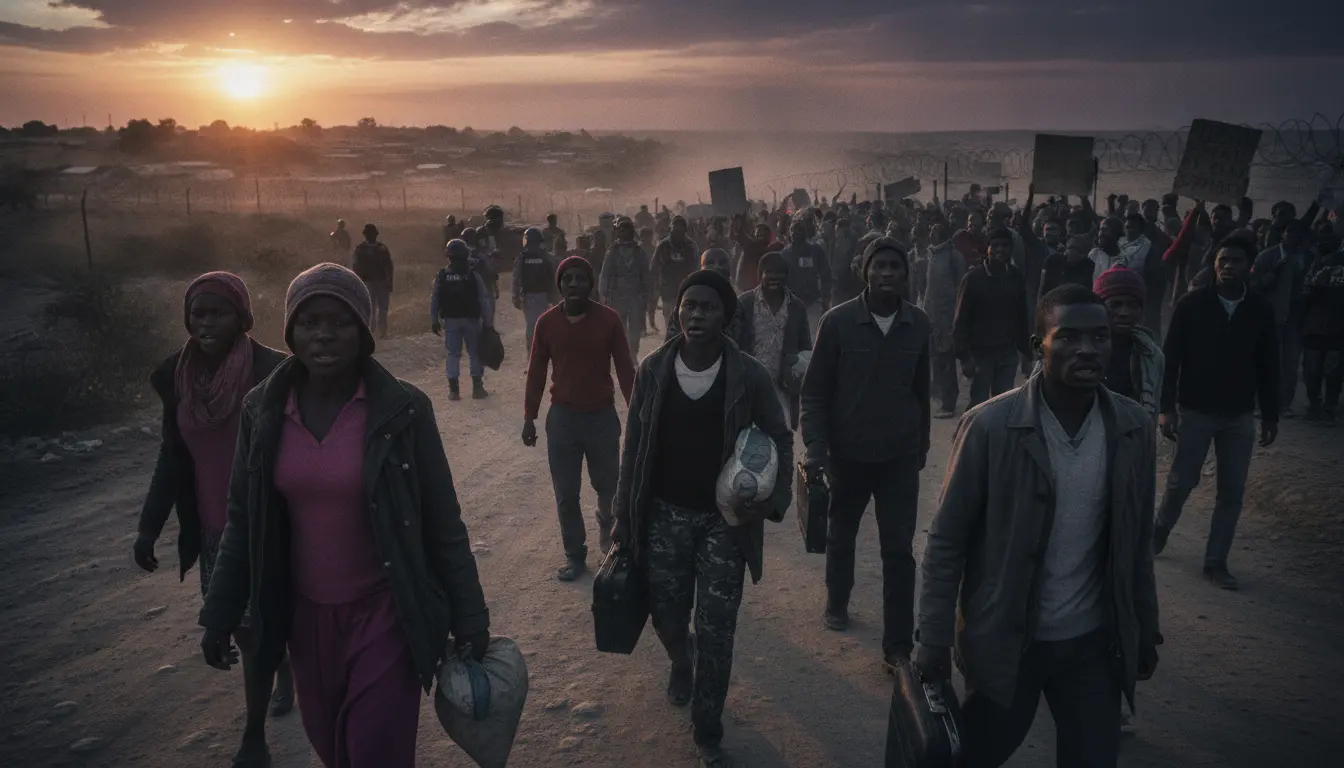
South Africa Grapples with Rising Xenophobia Ahead of Major Anti-Immigration Protests
South Africa is bracing for a potential escalation of anti-migrant sentiment, with tensions reaching a critical point as a key deadline for anti-immigration protests approaches. Migrant communities across the nation live in a heightened state of anxiety, fearing a resurgence of the widespread violence that has historically targeted foreign nationals. The looming threat underscores deep-seated socio-economic frustrations and the persistent challenge of xenophobia in a country grappling with high unemployment and inequality.
Historically, South Africa has experienced several waves of severe anti-migrant violence, often colloquially termed 'xenophobic attacks,' particularly in 2008, 2015, and 2019. These periods saw widespread looting, destruction of property, and even fatalities, largely targeting individuals from other African nations perceived as competing for scarce resources or jobs. The current climate is reminiscent of these past episodes, fueled by a narrative that scapegoats foreign nationals for the country's economic woes. Movements like Operation Dudula and the Put South Africans First campaign have gained traction by advocating for the removal of undocumented migrants and the prioritization of South African citizens in employment and business opportunities.
The rhetoric surrounding the upcoming June 30 deadline has been particularly incendiary, with organizers of various anti-immigration groups calling for direct action against businesses and communities purportedly dominated by foreign nationals. While specific details regarding the planned protests remain fluid, the implications are clear: a potential for widespread disruption and, crucially, violence. Many migrants, particularly those engaged in informal trade or living in townships, have already reported increased harassment and intimidation. Non-governmental organizations and human rights groups have voiced alarm, urging the government to take proactive measures to prevent violence and protect vulnerable populations, but the efficacy of such interventions remains uncertain.
The root causes of this recurrent xenophobia are complex and multifaceted. South Africa's post-apartheid constitution champions human rights and non-discrimination, yet the legacy of segregation and economic disparity persists. High rates of youth unemployment, a sluggish economy, and perceived failures in service delivery often lead to a misdirection of anger towards those deemed 'outsiders.' Furthermore, porous borders and perceived lax immigration enforcement contribute to a narrative that the government is not adequately addressing citizens' concerns, providing fertile ground for populist anti-migrant movements to flourish. The government, often caught between international human rights obligations and domestic political pressures, has struggled to formulate a comprehensive and humane immigration policy.
The stakes are incredibly high. A significant outbreak of violence would not only result in a humanitarian crisis for affected individuals and families but also severely damage South Africa’s international standing and reputation as a democratic nation committed to human rights. It could destabilize communities, disrupt economic activity, and further exacerbate social divisions. For foreign nationals, many of whom are refugees or asylum seekers fleeing conflict or persecution in their home countries, the threat of violence in South Africa represents a cruel irony, forcing them into a precarious existence where safety is never guaranteed. The challenge for authorities lies in balancing legitimate concerns over immigration policy with the imperative to protect all residents from discrimination and violence.
As the deadline approaches, the nation stands at a critical juncture. The outcome will depend not only on the actions of protest organizers and security forces but also on the broader societal response and the ability of political leadership to foster dialogue, address underlying grievances, and unequivocally condemn hate speech and incitement to violence. The world watches closely to see if South Africa can navigate these fraught waters without succumbing to the specter of xenophobic unrest once more.
Stay Informed. Act Smarter.
Get weekly highlights, major headlines, and expert insights — then put your knowledge to work in our live prediction markets.
Related News
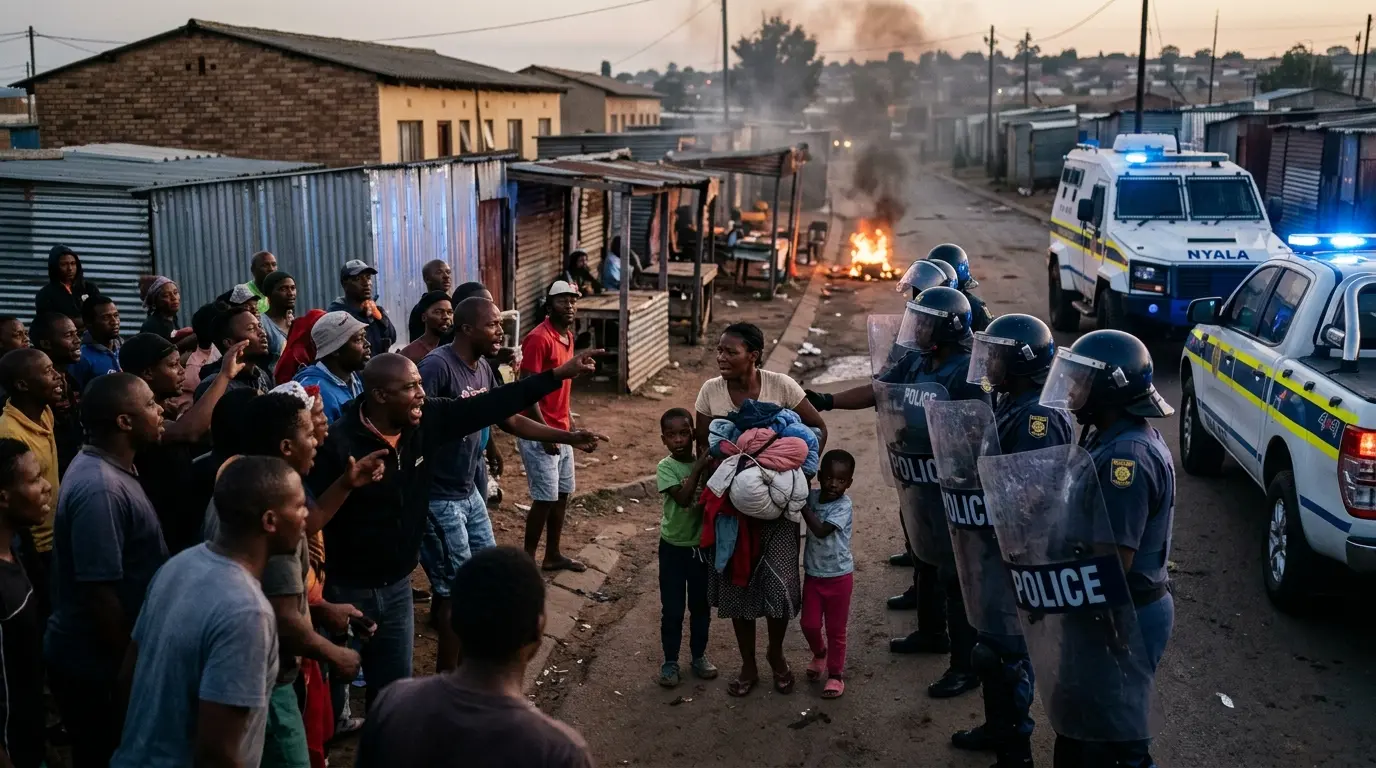
South Africa Grapples With Escalating Anti-Foreigner Violence Amid Government Struggle To Restore Order
South Africa's 2026 Local Elections: ANC Faces Defining Challenge Amid Shifting Political Landscape
South Africa's ANC Faces Significant Challenge to Retain Major Metro Control in 2026 Municipal Elections

Zimbabwe Justice Minister Advances Bill to Extend Presidential Term, Shift Electoral System
Humanitarian Crisis Deepens at Ceuta Border as Migrant Death Toll Mounts
Future US Administration Poised to Reimplement Immediate Asylum Expulsions at Southern Border

Mnangagwa's Push to Extend Presidential Term Clears Zimbabwe Senate Amid 'Constitutional Coup' Accusations
Spain Calls for Urgent EU Meeting Amid Escalating Ceuta Migrant Influx
Madrid Considers Troop Deployment to Ceuta Following Renewed Border Pressures

South Africa vs Czechia LIVE: World Cup 2026