
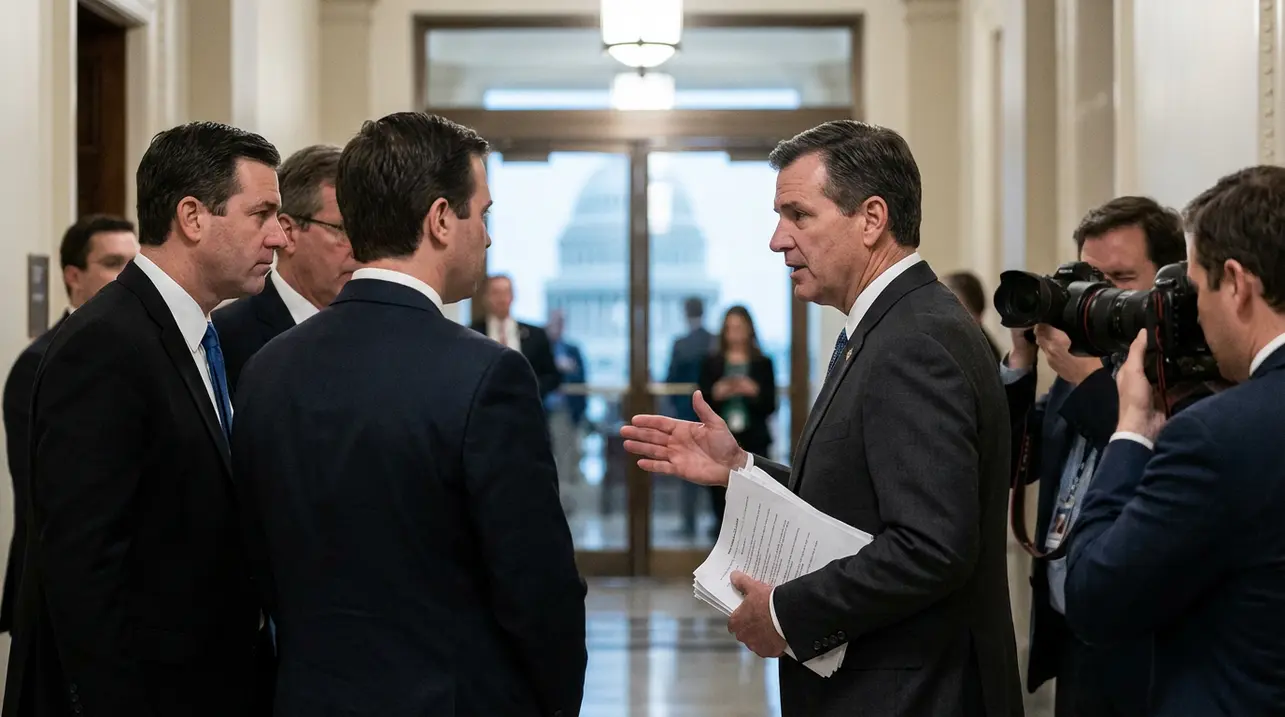
Republicans in Congress add $250 annual federal EV tax to transport bill
Stay Informed. Act Smarter.
Get weekly highlights, major headlines, and expert insights — then put your knowledge to work in our live prediction markets.

Outpoll Weekly Recap: Politics (May 18 – 24, 2026)

Outpoll Weekly Recap: Politics (May 11 – 17, 2026)
Outpoll Weekly Recap: Politics (May 4 – 10, 2026)

Outpoll Weekly Recap: Politics (April 27 – May 3, 2026)

Outpoll Weekly Recap: Politics (April 20 – 26, 2026)

Lords of the Ring: The Cultural Politics of Sumo Wrestling

Outpoll Weekly Recap: Politics (April 13 – 19, 2026)
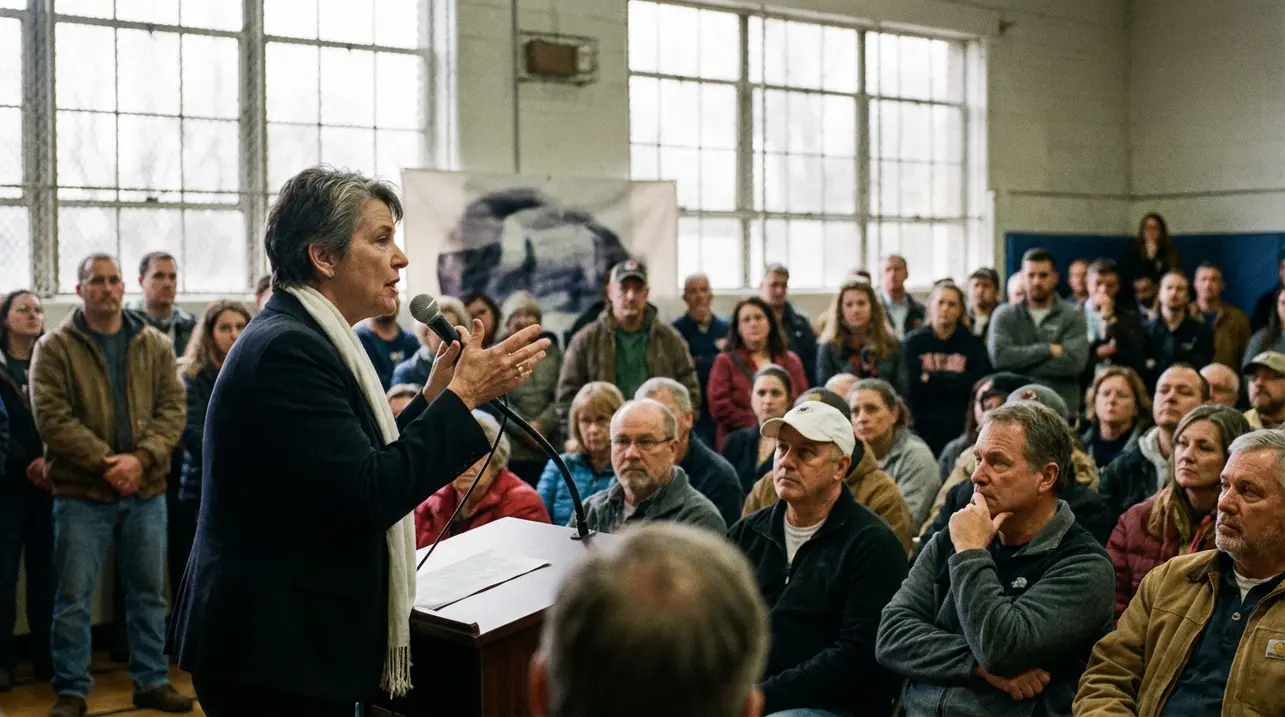
What does American politics look like beyond Trump?

Outpoll Weekly Recap: Politics (March 30 – April 5, 2026)

Markets move to price in rate hikes as inflation fears and geopolitics reshape Fed expectations

Outpoll Weekly Recap: Politics (March 23 – 29, 2026)

Outpoll Weekly Recap: Politics (March 16 – 22, 2026)

Outpoll Weekly Recap: Politics (March 9 – 15, 2026)

Outpoll Weekly Recap: Politics (March 2 – 8, 2026)
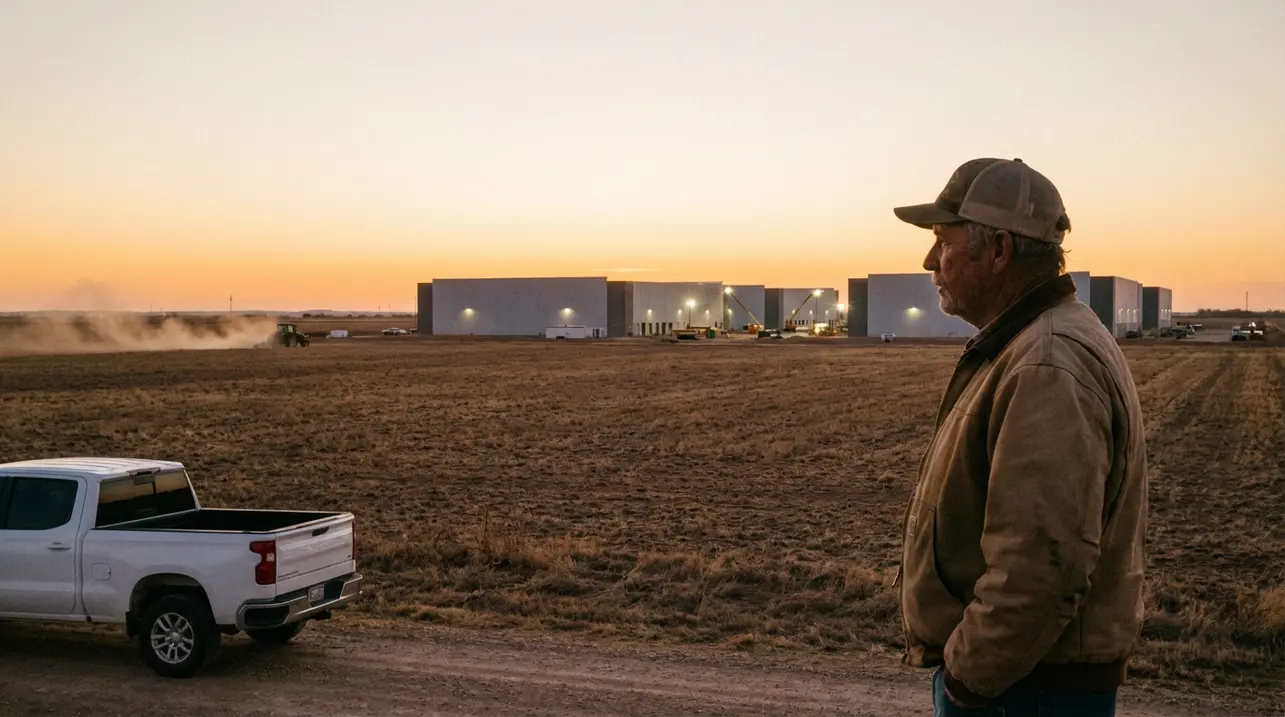
Texas GOP primary shows AI data center politics outweigh farmland concerns.