

Mexico City looks to rein in street drinking after massive World Cup party
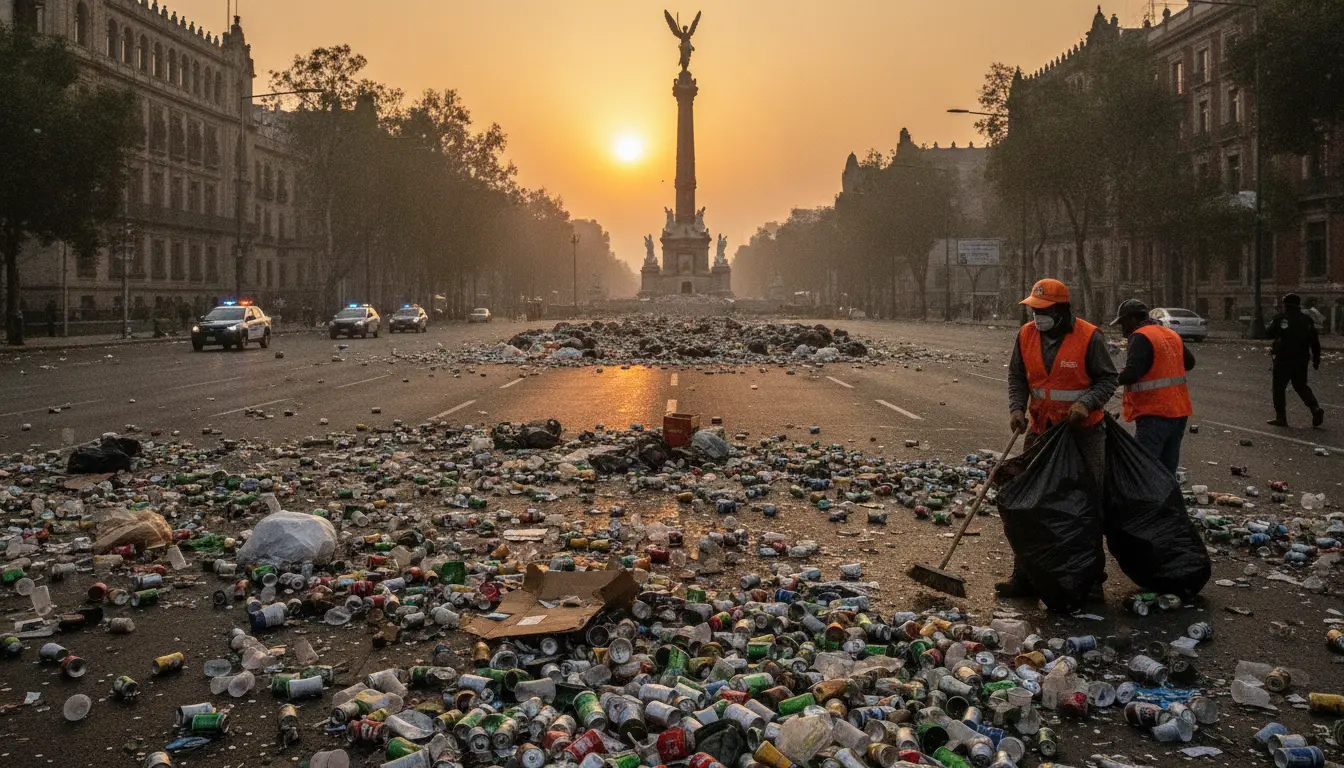
Mexico City authorities are moving to tighten regulations on public alcohol consumption after a massive World Cup celebration left the capital’s iconic Reforma Avenue and historic center buried under an estimated 40 tonnes of waste. The cleanup operation on Friday morning underscored the scale of the impromptu street party that erupted following a key match, drawing tens of thousands of fans into the streets. While the festive atmosphere showcased the city’s passion for football, officials now face the challenge of balancing public celebration with order, sanitation, and safety.
The spontaneous gathering, which began shortly after the final whistle, quickly turned into a sprawling open-air festival. Revelers spilled onto Reforma Avenue, the city’s grand boulevard, and packed the Zócalo, the main square in the historic center. Videos and photos shared on social media showed crowds dancing, chanting, and drinking from bottles and cans, with little regard for the usual restrictions on alcohol in public spaces. By dawn, the aftermath was stark: mountains of plastic cups, food wrappers, broken glass, and discarded clothing littered the streets. Municipal workers deployed dozens of street sweepers and garbage trucks, working through the morning to restore the area to its pre-party state.
The cleanup effort, while efficient, has reignited a long-running debate over the city’s approach to public drinking. Mexico City has some of the strictest laws in the country regarding alcohol consumption in public, with fines and even arrest possible for those caught drinking on the street outside of designated areas or special permits. However, enforcement has often been lax during major sporting events, particularly World Cup matches, when authorities tend to look the other way to avoid dampening the national mood. This latest incident, however, has prompted a more serious reassessment. City officials have indicated they are considering a temporary ban on street drinking during future World Cup games, or at least a more robust enforcement of existing laws, to prevent a repeat of the massive mess and potential public health risks.
Beyond the immediate sanitation concerns, the celebration also raised questions about crowd control and public safety. With no official permits or organized infrastructure, the gathering lacked portable toilets, medical stations, or designated security perimeters. Emergency services reported a spike in calls for alcohol-related incidents, including fights, dehydration, and minor injuries. While no major violence or fatalities were reported, the sheer density of the crowd—estimated at over 100,000 at its peak—created a potential flashpoint. City officials are now under pressure from neighborhood associations and business groups to implement a clearer framework for such spontaneous celebrations, balancing the right to party with the need for order.
The political calculus is delicate. Mayor Claudia Sheinbaum, a leading contender for the presidency, has built her reputation on efficient governance and a tough stance on public disorder. Her administration has invested heavily in cleaning up the historic center and making it more pedestrian-friendly. A crackdown on street drinking could play well with middle-class residents who complain about noise and litter, but it risks alienating working-class fans who see the street parties as a cherished tradition. The World Cup, after all, is one of the few events that unites the city across class lines. Any new restrictions will likely be framed as temporary measures for specific match days, rather than a permanent ban, in an effort to avoid a political backlash.
Looking ahead, the city is expected to announce a formal policy before the next round of World Cup matches. Options on the table include designated fan zones with controlled alcohol sales, stricter enforcement of existing open-container laws, and a public awareness campaign about responsible drinking. The 40 tonnes of waste collected on Friday serves as a powerful visual reminder of the costs of unregulated celebration. For now, the party is over, but the cleanup—both literal and political—has only just begun.
Stay Informed. Act Smarter.
Get weekly highlights, major headlines, and expert insights — then put your knowledge to work in our live prediction markets.
Related News
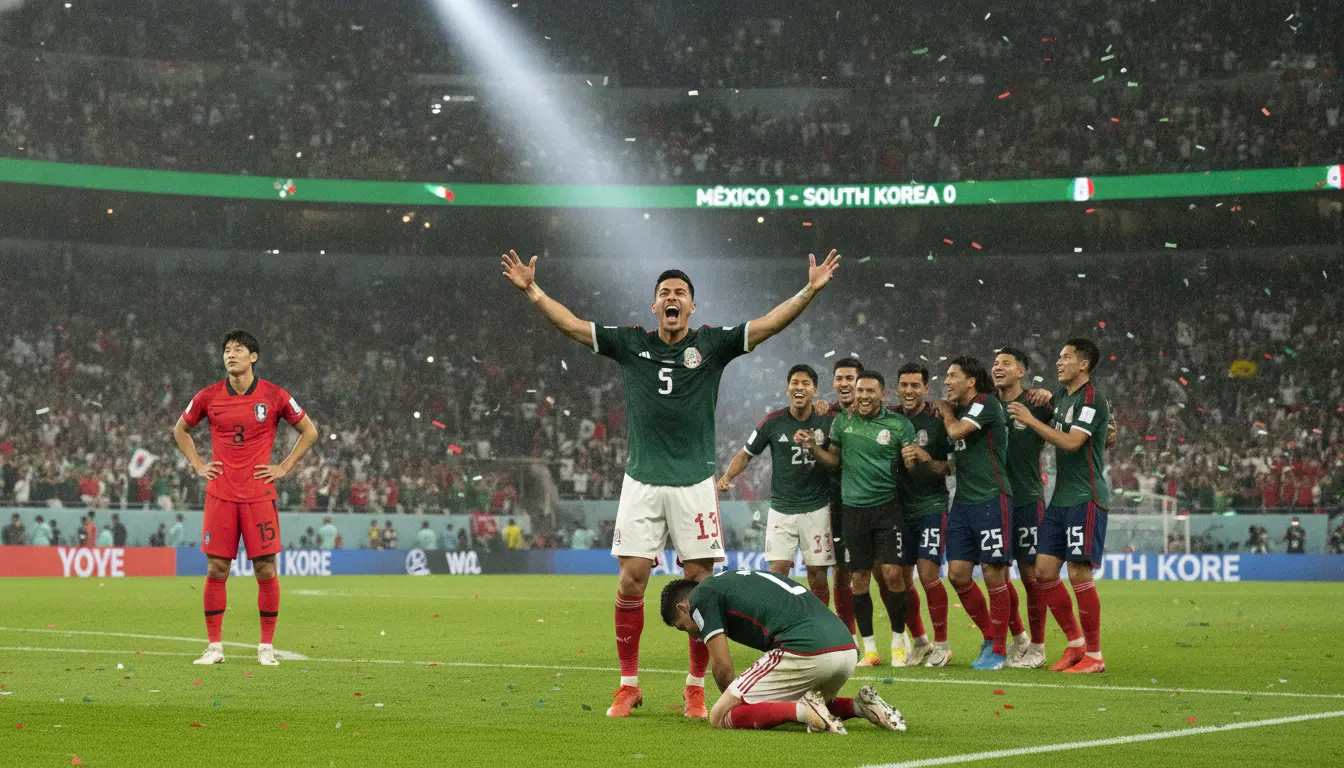
Mexico beat South Korea 1-0, become first team to reach World Cup knockouts
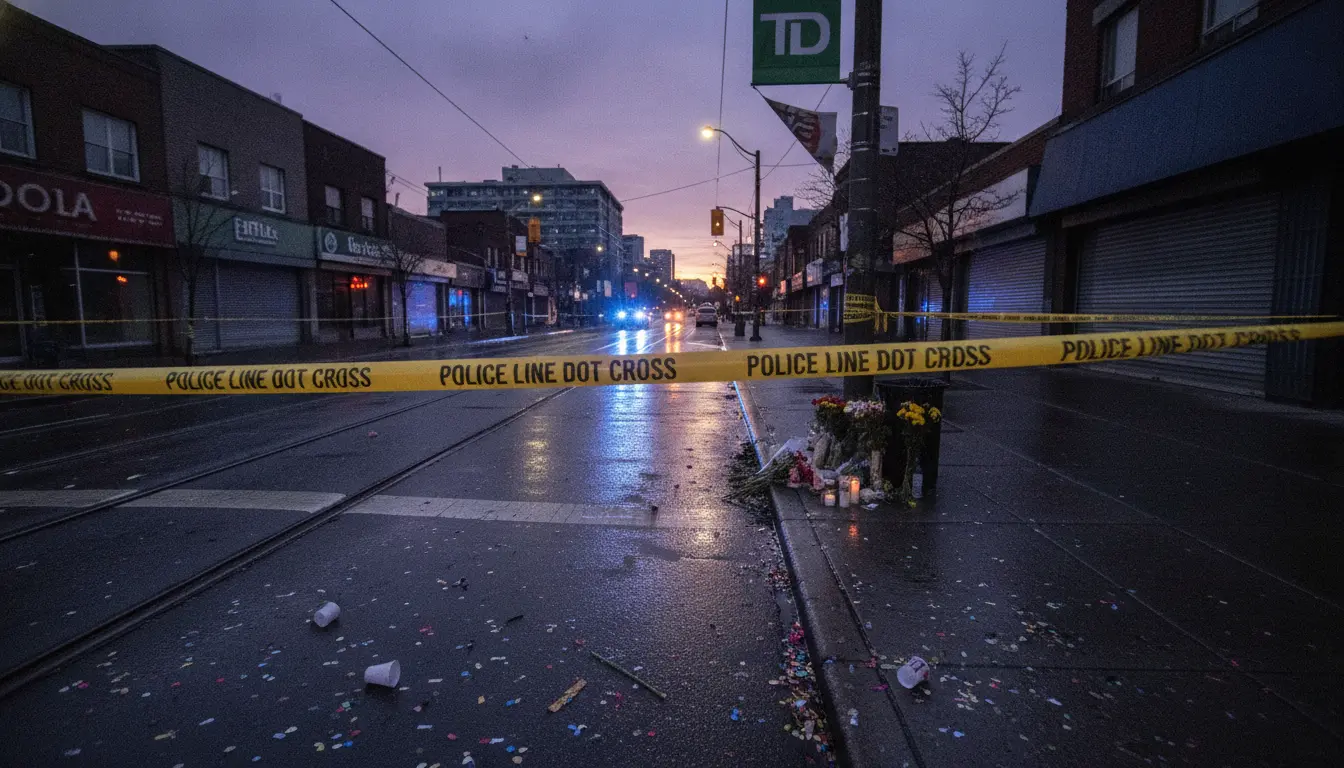
Deadly Shooting Puts Future of Toronto's TD Salsa on St. Clair Festival in Jeopardy
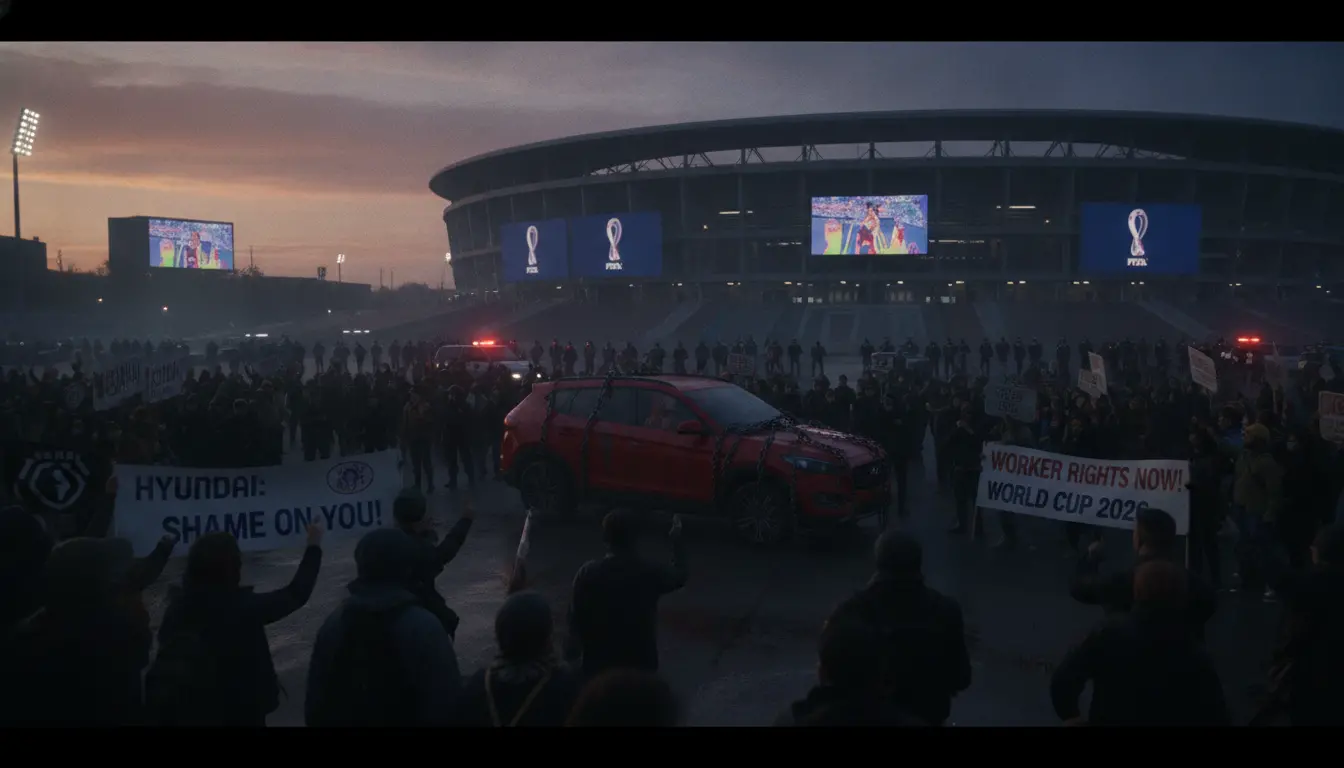
Hyundai Under Scrutiny as Activists Plan Protests Ahead of World Cup 2026 Mexico Matches
Extreme Heat Advisory Casts Shadow Over National Mall's Fourth of July Celebrations
Iran to lodge complaint with FIFA over World Cup 2026 travel restrictions
Mexico vs. South Korea World Cup Livestream: How to Watch Tonight’s Soccer Game Online
Mexico vs. South Korea World Cup Livestream: How to Watch Tonight’s Soccer Game Online Free
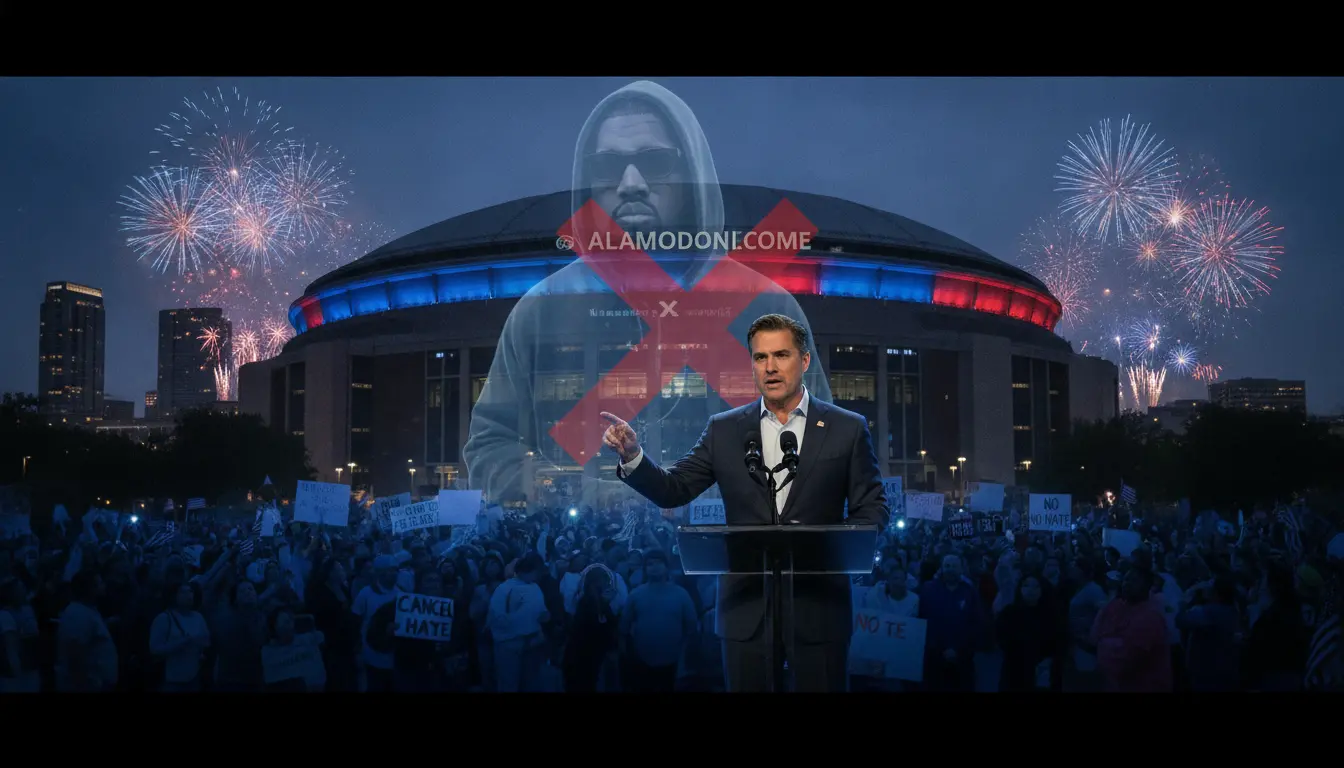
Ye’s July 4 Concert Should Be Canceled, San Antonio Mayor Says
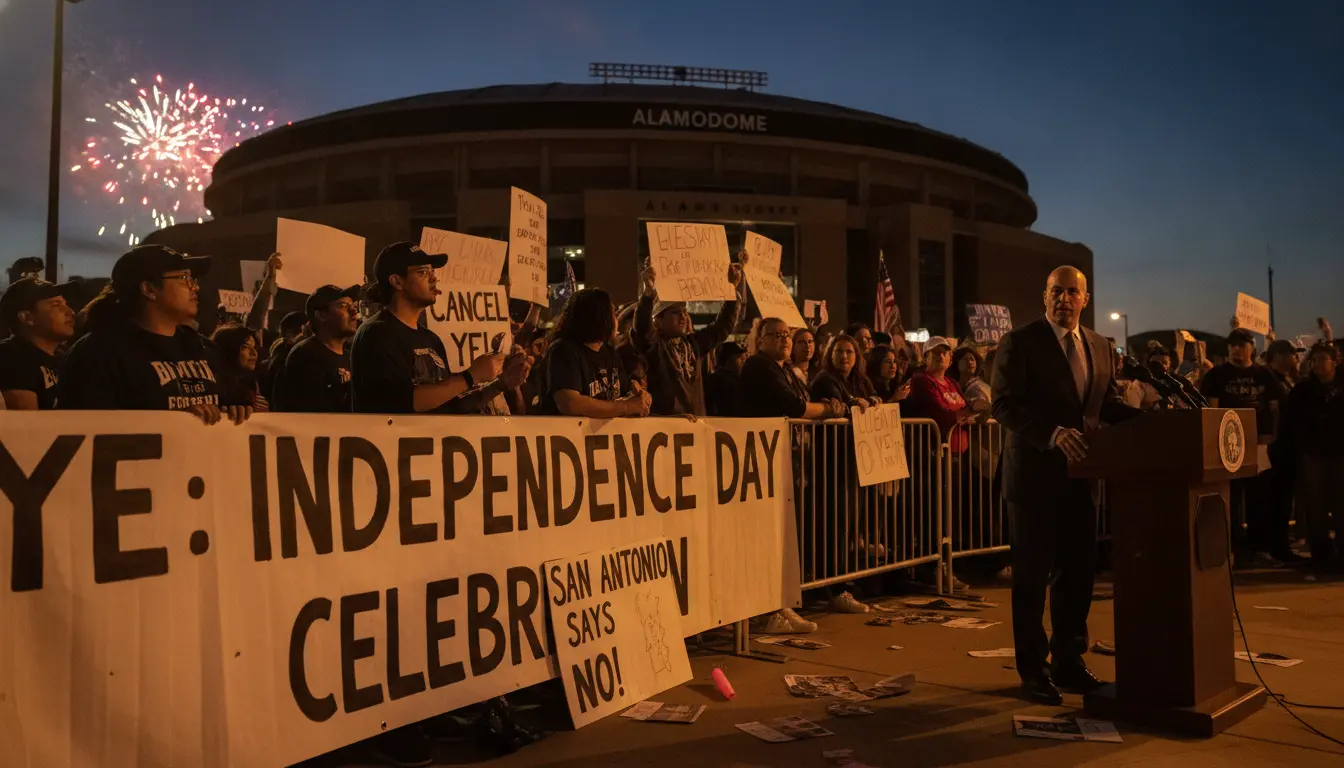
Ye’s July 4 Concert Should Be Canceled, San Antonio Mayor Says
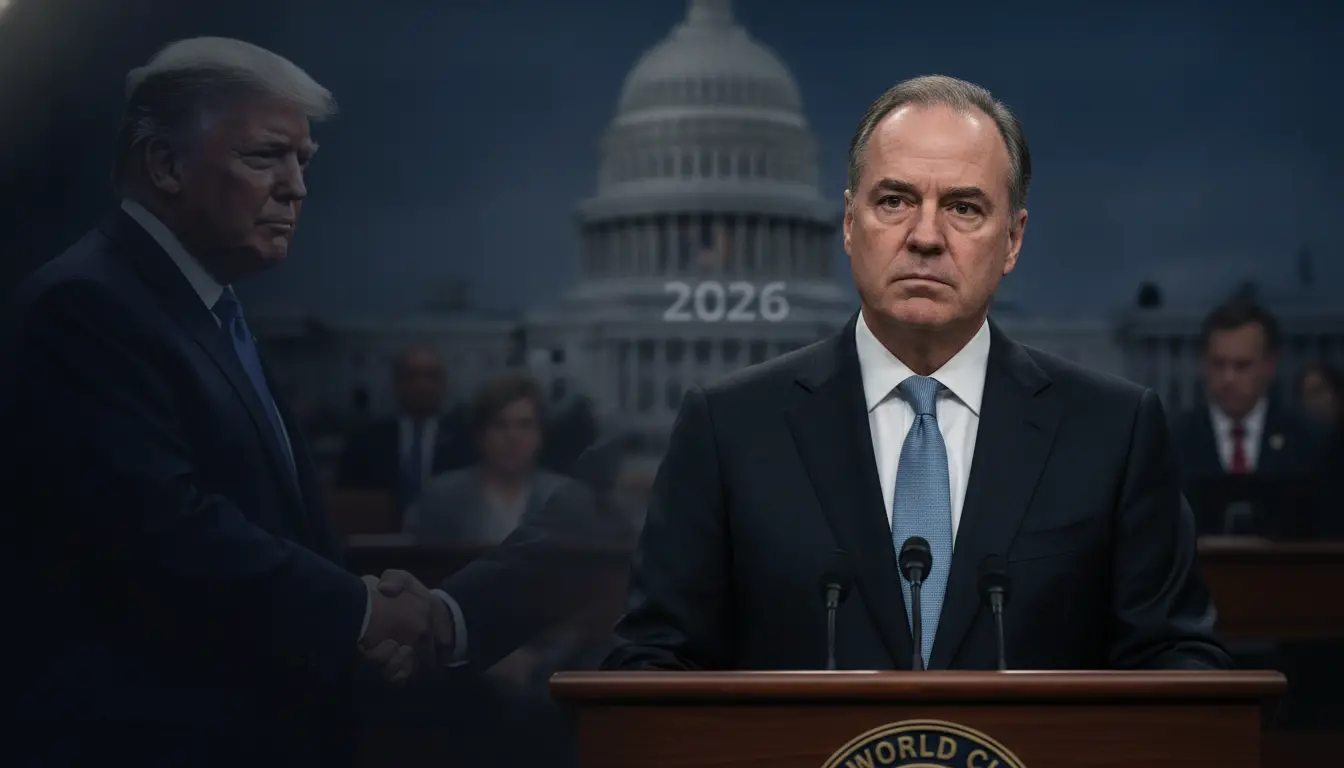
FIFA President Gianni Infantino Faces Intensifying US Congressional Scrutiny Over Alleged Trump Ties Ahead of 2026 World Cup