

Politics
Local elections face further delays as councils struggle to reorganise in time
MA
Mark Johnson
6 months ago7 min read
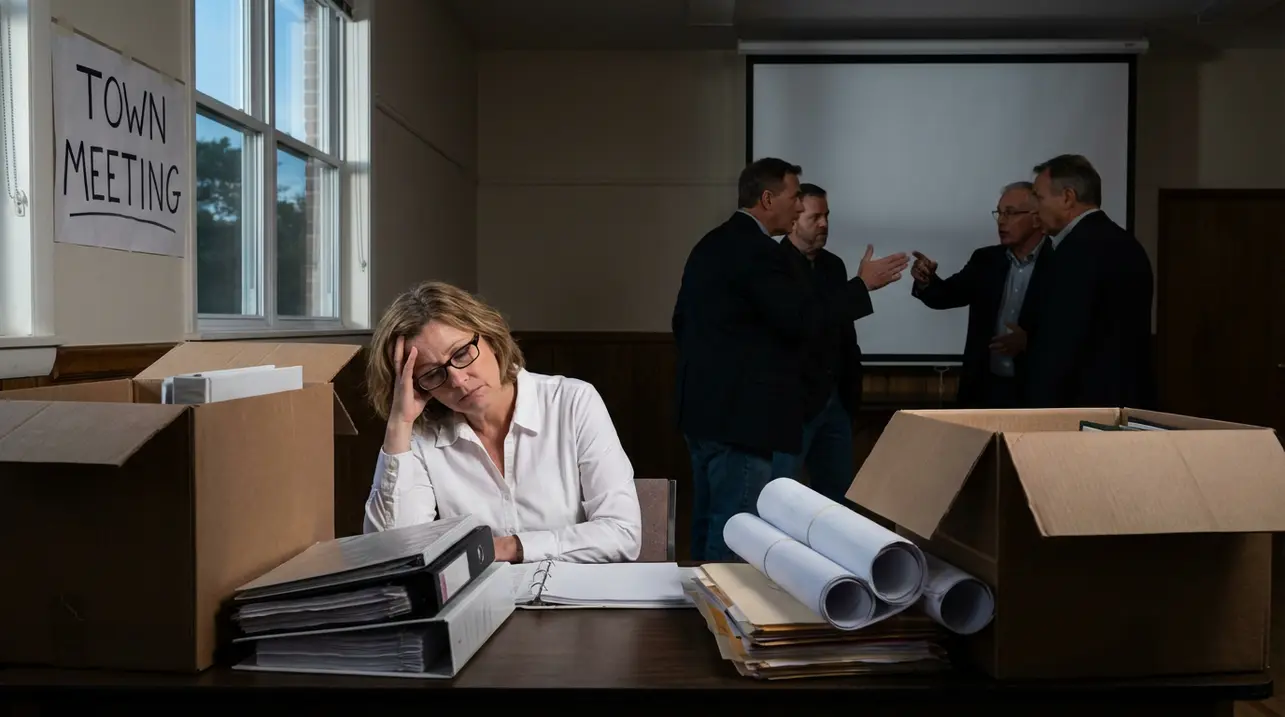
The political battlefield is shifting underfoot, and the latest maneuver from the government is a tactical delay that has opposition forces crying foul. In a move that feels ripped straight from a campaign war room playbook, the government has announced that local elections could be postponed yet again, with up to sixty-three council areas potentially pushing their votes all the way to 2027.This comes on the heels of previous delays that already moved some contests to May 2026, all under the banner of a massive administrative overhaul that’s merging two-tier authorities into single, streamlined unitary councils. The official line, delivered with the cool precision of a strategic briefing, is one of pragmatic necessity: merging councils simply lack the operational capacity to reorganize and run a credible election simultaneously.It’s a logistical nightmare, they argue, and rushing the process would serve no one. But in the trenches, the opposition has seized on this announcement as a blatant political gambit.Their attack ads practically write themselves, with accusations flying that the governing Labour party is fundamentally “scared of the voters,” seeking to avoid electoral accountability during a period of profound and potentially painful public sector transformation. This isn’t just bureaucratic shuffling; it’s a high-stakes game of electoral timing with the very fabric of local democracy hanging in the balance.Historically, reorganizations of this scale are fraught and politically sensitive, often used by incumbents to control the narrative and manage the pace of change. By delaying the democratic clock, the government effectively buys itself a longer runway to implement its vision—and hopefully demonstrate some tangible benefits—before facing the electorate’s verdict.Critics, however, see a darker pattern, a deliberate disenfranchisement that sidelines local voices when they are needed most to shape new super-councils. Expert commentary from political strategists suggests this delay could backfire spectacularly, fueling voter apathy and distrust in institutions already strained by years of centralization and funding cuts.The possible consequences ripple outward: delayed elections mean extended tenures for current councillors without a fresh mandate, potentially stifling new ideas and entrenching old guard politics just as new entities are born. Furthermore, it creates a confusing patchwork of electoral cycles across the country, undermining national political coherence and making it harder for parties to build momentum.From an analytical lens, this is a classic case of administrative rationale clashing with democratic principle. While the government frames it as a necessary evil for long-term efficiency—a painful reboot for a creaking system—the opposition paints it as an authoritarian overreach, a fear-driven postponement of the people’s judgment.The truth, as in any political battle report, likely lies somewhere in the murky middle, but the optics are terrible for a party that campaigned on renewal and engagement. As the media wars heat up over this announcement, watch for the polls; if public sentiment sours against the delay, this tactical retreat could become a strategic blunder that defines the next national campaign.
#local elections
#council reorganization
#election delays
#UK politics
#Labour government
#opposition criticism
#featured
Stay Informed. Act Smarter.
Get weekly highlights, major headlines, and expert insights — then put your knowledge to work in our live prediction markets.
Related News
Comments
It's quiet here...Start the conversation by leaving the first comment.