

Politics
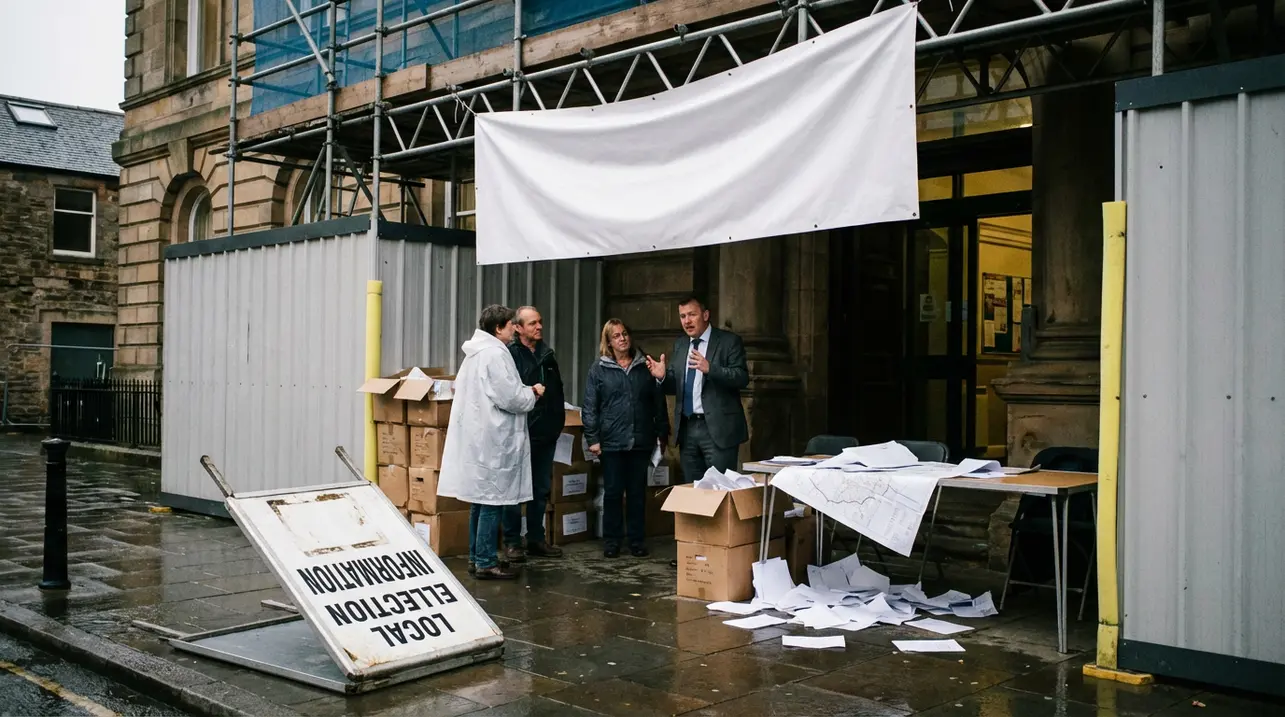
Local elections could be delayed again as councils reorganise
MA
Mark Johnson
6 months ago7 min read
The government’s bombshell announcement that local elections could face yet another delay—potentially pushing votes in sixty-three council areas all the way to 2027—has ignited a fresh political firestorm, with opposition forces immediately seizing the narrative to accuse Labour of being ‘scared of the voters’. This isn’t just bureaucratic shuffling; it’s a high-stakes strategic play.The official line, citing a lack of capacity as two-tier authorities merge into shiny new unitary councils, sounds reasonable on a Whitehall briefing slide. But on the ground, it reads like a masterclass in political postponement.Remember, some of these votes were already kicked down the road to May 2026. Adding another year feels less like logistical necessity and more like a calculated move to avoid a potentially bruising mid-term verdict.Picture the scene: newly amalgamated councils, still finding their feet, their electoral boundaries freshly redrawn, and a public weary from years of centralised diktat on restructuring. Holding an election in that chaos is a gamble.Delaying it is a shield. Opposition parties, smelling blood, have launched a full-spectrum media assault, framing this as democratic erosion.They’re not just complaining; they’re crafting attack ads in real time, painting a picture of a governing party that would rather manage spreadsheets than face its constituents. This tactic has historical precedent.Governments of all stripes have, when the polls look grim, found reasons to ‘review’ or ‘restructure’ electoral timetables. It’s a classic play from the political risk handbook: reduce short-term exposure.But the consequences are tangible. For residents in those sixty-three areas, it means an extended period of what critics call ‘zombie governance’—councillors operating on borrowed time, with diminished direct accountability.The delay also warps the entire political cycle, compressing the timeframe for the next election and potentially creating a super-Thursday of local votes that could disproportionately sway national political momentum. Analysts are already running scenarios: if the economy stutters or a major policy backfires in 2026, having this election buffer provides Labour a crucial pressure valve.Conversely, it piles all the local political risk into a single basket for 2027, creating a potential mega-referendum on a government that will be, by then, deep into its term. The capacity argument, while legally sound, is wafer-thin in the court of public opinion.Voters see mergers and delays; they feel a growing distance from decision-making. This story is less about council logistics and more about the raw calculus of power—a dynamic, sharp-elbowed battle where every administrative decision is a campaign move in disguise.
#local elections
#council reorganization
#election delay
#UK politics
#Labour government
#opposition criticism
#featured
Stay Informed. Act Smarter.
Get weekly highlights, major headlines, and expert insights — then put your knowledge to work in our live prediction markets.
Related News

Comments
It's quiet here...Start the conversation by leaving the first comment.