PoliticselectionsParliamentary Elections
Kosovo Holds Parliamentary Elections Amid Political Deadlock
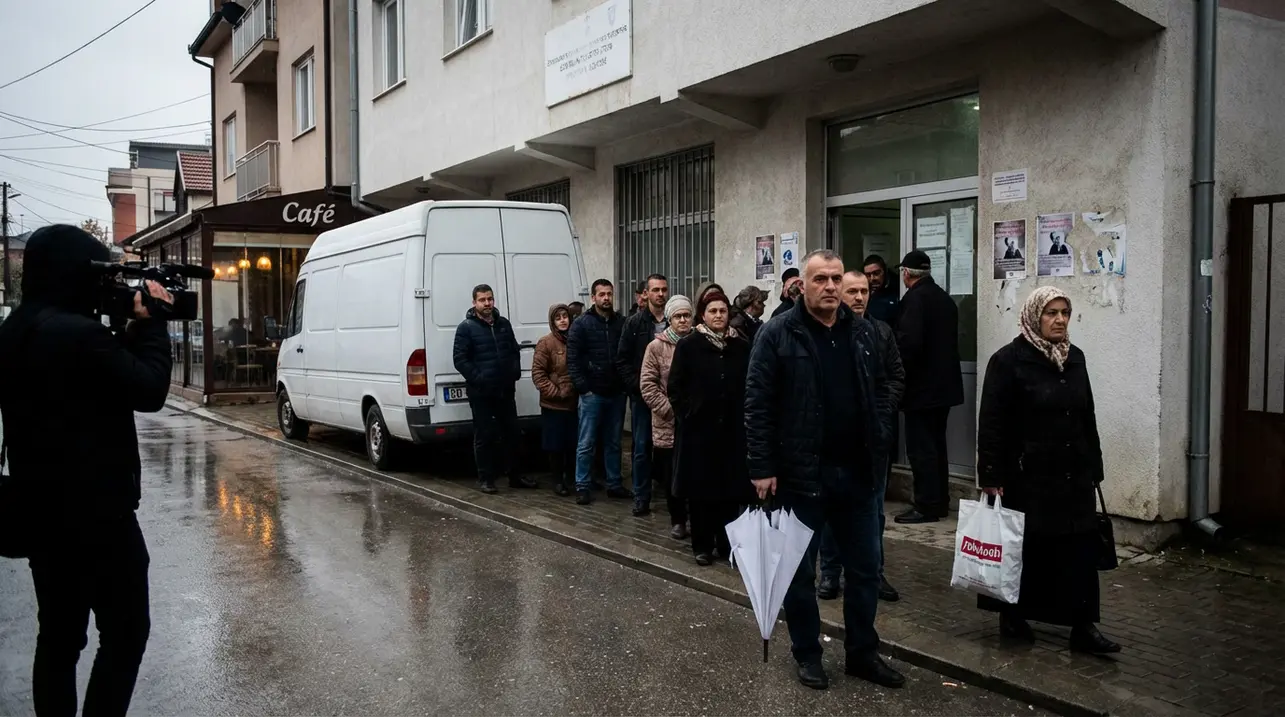
Kosovo’s parliamentary elections, held under the shadow of a protracted political stalemate, represent more than a routine democratic exercise; they are a critical stress test for the young nation’s institutions and its fragile equilibrium in the Balkans. Analysts widely project that the party of caretaker Prime Minister Albin Kurti, the left-wing nationalist Vetëvendosje (Self-Determination), will emerge as the single largest political force.However, the prevailing consensus is that it will fall short of an outright majority, a scenario that once again thrusts Kosovo’s ethnic minority blocs—primarily the Serb List representing the Serbian community and parties representing other groups like the Bosniak, Turkish, and Roma minorities—into the role of indispensable kingmakers. This dynamic is not new but has been exacerbated by a political deadlock that has paralyzed legislative progress for months, stemming from profound disagreements over policy direction, relations with Serbia, and internal governance.The stalemate reflects deeper fissures within Kosovo’s political landscape, where Kurti’s populist, anti-corruption platform and his hardline stance in EU-facilitated dialogues with Belgrade clash with the more conciliatory approaches of traditional parties like the Democratic League of Kosovo (LDK) and the Democratic Party of Kosovo (PDK). Historically, Kosovo’s governments have often been fragile coalitions, requiring complex negotiations that can dilute policy agendas and lead to governmental instability, a pattern reminiscent of other post-conflict democracies struggling to build cohesive political cultures.The involvement of ethnic minority parties adds another layer of complexity, as their support often comes with demands for greater autonomy, protection of language rights, and specific economic concessions, making the formation of a stable government a delicate balancing act between national priorities and communal guarantees. The international community, particularly the United States and the European Union, watches closely, as a prolonged vacuum or an unstable coalition could hinder Kosovo’s Euro-Atlantic integration process and potentially reignite tensions in the region.Expert commentary suggests that while Kurti remains a dominant figure, his ability to govern effectively will be severely constrained without a broad-based coalition, possibly forcing him into uncomfortable alliances that could moderate his administration’s trajectory. The consequences of this electoral impasse extend beyond Pristina; they impact the normalization talks with Serbia, which have stalled, and affect Kosovo’s economic prospects and its fight for broader international recognition.In the broader context of European politics, this election serves as a microcosm of the challenges facing many smaller EU-aspiring states: navigating sovereignty, ethnic integration, and reform under the intense scrutiny of larger powers. The path forward will require not just political horse-trading but a statesmanlike willingness to compromise, a quality that has been in short supply. As the ballots are counted, the real work of building a functional majority begins—a process that will define Kosovo’s next chapter and its stability in a volatile neighborhood.
#Kosovo
#parliamentary elections
#political stalemate
#Albin Kurti
#ethnic minorities
#caretaker government
#featured