

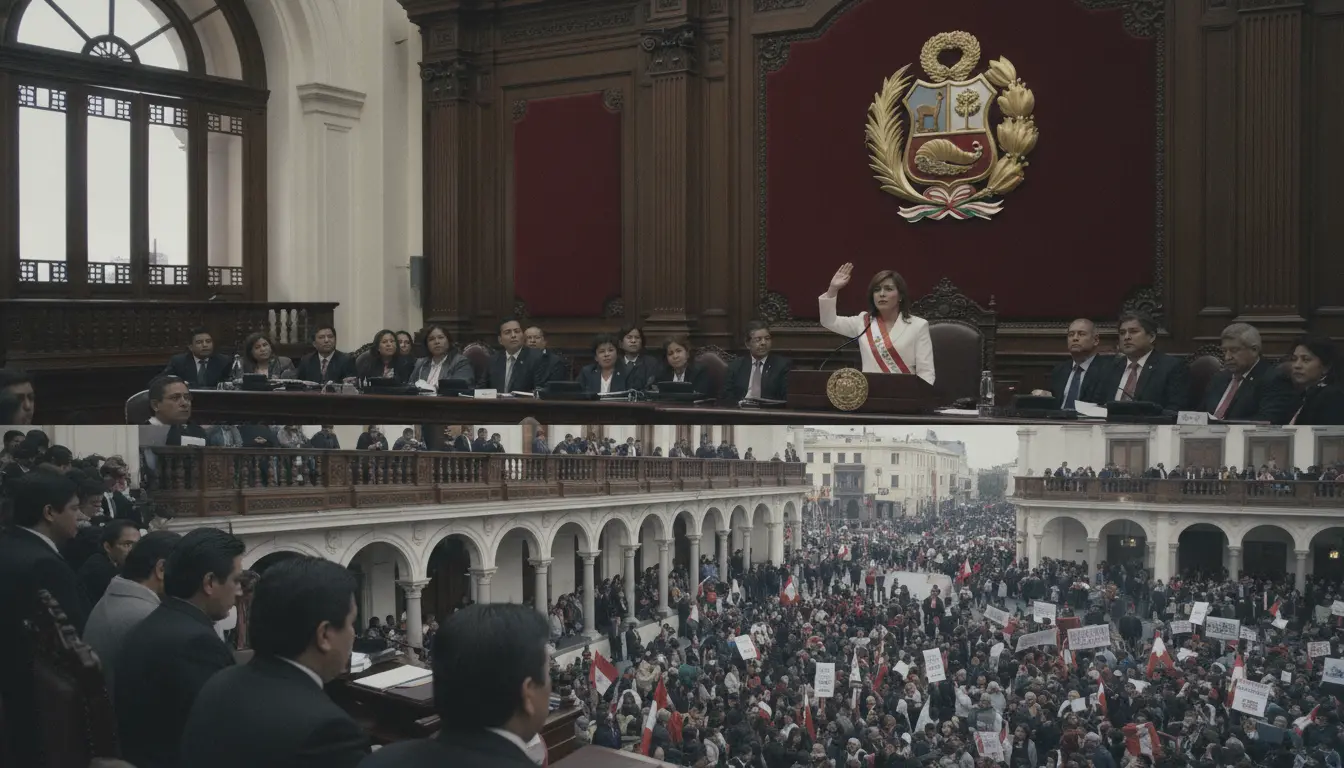
Keiko Fujimori Assumes Peruvian Presidency Amidst Deep-Seated Political Instability
Keiko Fujimori has taken office as President of Peru, inheriting a nation grappling with profound political fragmentation and a legacy of leadership volatility. Her ascension marks a significant chapter in a storied political dynasty, but immediately thrusts her into the familiar maelstrom of Peruvian governance, where presidential tenures are often cut short by impeachment, resignation, or social unrest. The daughter of former authoritarian president Alberto Fujimori, her presidency begins under intense scrutiny, with the country's turbulent history serving as a stark reminder of the challenges that lie ahead for any leader attempting to steer Peru for a full five-year term.
Peru has earned a reputation as one of Latin America's most politically unstable democracies. Over the past six years alone, the nation has seen six different presidents, many leaving office under a cloud of corruption allegations or parliamentary ouster. The constitutional mechanism of impeachment, requiring only a simple majority vote in Congress for a president's removal, has been frequently invoked, creating a precarious environment for executive power. This constant churn has crippled effective governance, deterred long-term planning, and eroded public trust in political institutions. Fujimori herself has been a central figure in this tumultuous landscape, having run for president multiple times before, always narrowly missing the top office, and facing her own legal battles.
Her political journey is inextricably linked to her father, Alberto Fujimori, whose controversial presidency from 1990 to 2000 ended in disgrace amid charges of corruption and human rights abuses. This dual legacy—credited by some with bringing stability and economic growth, but condemned by others for authoritarianism and abuses—forms the bedrock of Keiko's support and opposition. Her Fuerza Popular party has historically commanded a significant bloc in Congress, yet has often found itself at odds with other political factions, leading to frequent legislative deadlocks and open conflicts that paralyze the government. Navigating a deeply divided Congress will be paramount for her administration, as past presidents have repeatedly fallen victim to an unforgiving legislative branch.
Beyond legislative challenges, President Fujimori's administration will face an array of socio-economic pressures that have fueled public discontent. Persistent inequality, high rates of informality, and an economy heavily reliant on commodity prices leave the country vulnerable to external shocks. Addressing these systemic issues will require robust policy implementation and a broad consensus, a difficult feat in a country where political alliances are fluid and public protests are a common expression of grievance. The mining sector, a cornerstone of Peru's economy, frequently sparks clashes between communities and corporations, posing another critical test for any government seeking to maintain order and promote development.
Furthermore, allegations of corruption continue to plague Peru's political establishment, reaching into nearly every level of government. Several former presidents are either imprisoned, under investigation, or have committed suicide to avoid arrest, highlighting the deep-seated nature of the problem. Keiko Fujimori herself has been investigated for money laundering in connection with campaign financing, charges she denies. Her ability to restore public trust and demonstrate a commitment to transparency will be vital, not only for her personal legitimacy but for the health of Peru's democratic institutions. Any hint of scandal could quickly ignite public outrage and provide ammunition for political rivals seeking her removal.
The early days of President Fujimori's term will be crucial in setting the tone for her administration. Her capacity to forge alliances, manage a fractious Congress, and respond effectively to public demands will largely determine her ability to break the cycle of instability that has defined Peruvian politics. The stakes are extraordinarily high, not just for Fujimori and her party, but for the future of democratic governance in a nation desperate for stability and effective leadership.
Stay Informed. Act Smarter.
Get weekly highlights, major headlines, and expert insights — then put your knowledge to work in our live prediction markets.
Related News
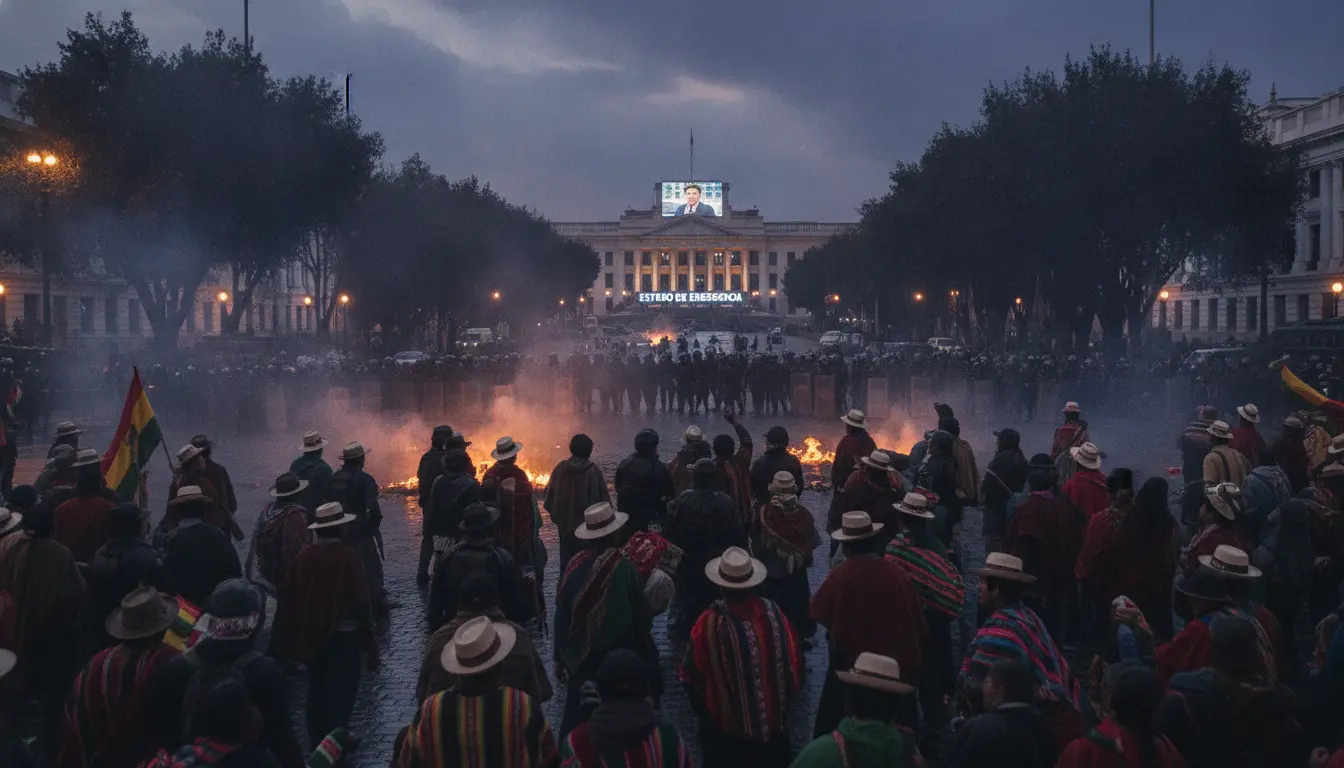
Bolivia's Luis Arce Faces Mounting Pressure Amid Anti-Government Protests, State of Emergency
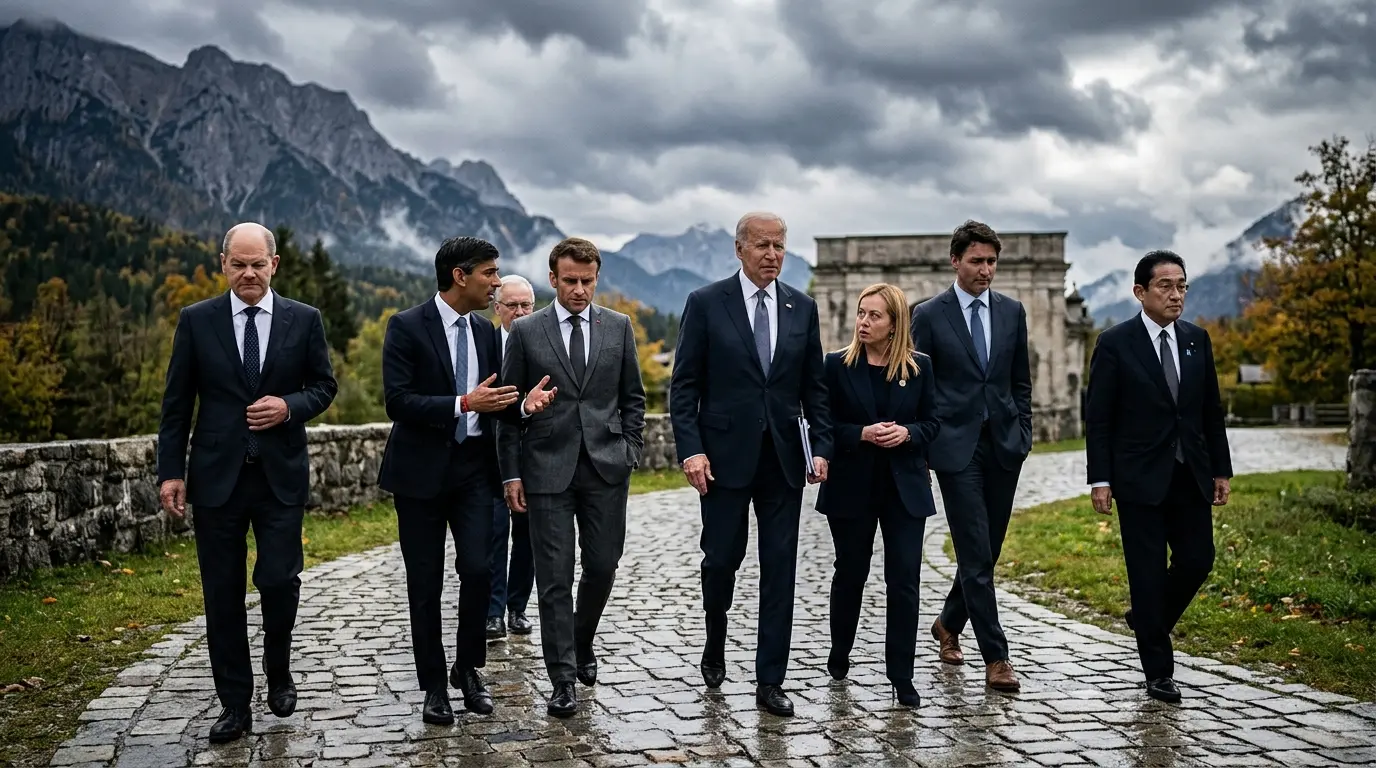
G7 Leaders Navigate Tumultuous Political Landscape Amidst Domestic Pressures and Upcoming Elections

G7 Leaders Grapple with Widespread Political Volatility and Looming Electoral Challenges

Philippine Vice President Sara Duterte Faces High-Stakes Impeachment Trial

G7 Leaders Face Intensifying Political Pressures and Electoral Challenges Through 2026

Governing a Fractured UK: The Political Minefield Awaiting a Starmer Premiership
G7 Leaders Face Intensifying Political Pressures, Raising Questions About Tenure Through 2026

Political Headwinds Batter G7 Leaders, Threatening Major Shakeup by 2026

G7 Leadership Turmoil Deepens as Starmer Exit Fuels Speculation on Succession Waves

G7 Leaders Face Heightened Scrutiny Amid Turbulent Political Landscape Through 2026