

- News
- Politics
- Iran Disrupts Commercial Shipping in Strait of Hormuz, Citing US-Israel Ceasefire Violations
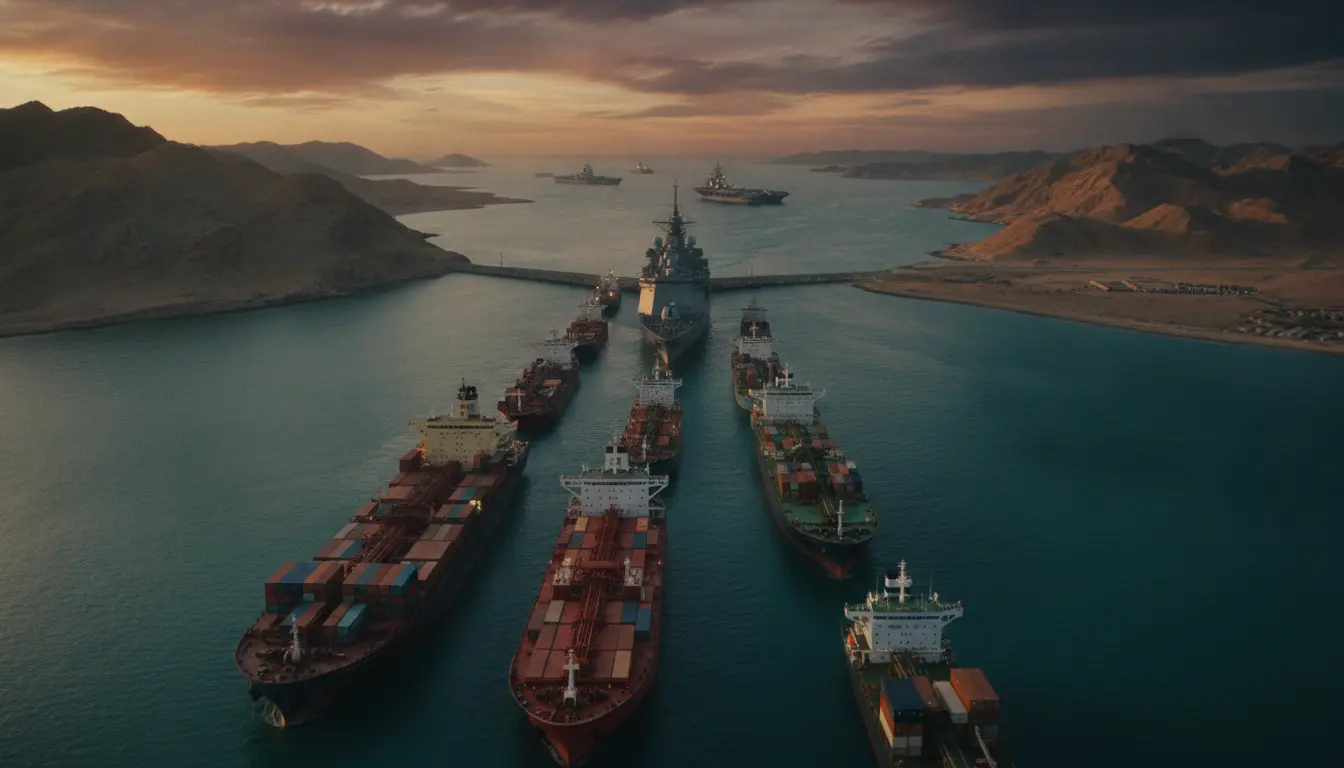
Iran Disrupts Commercial Shipping in Strait of Hormuz, Citing US-Israel Ceasefire Violations
Tehran has declared the Strait of Hormuz closed to unrestricted commercial vessel traffic, a move that immediately heightens geopolitical tensions in the already volatile Middle East and sends ripples of uncertainty through global energy markets. The Iranian government’s decision, which directly contradicts an earlier understanding with the United States aimed at ensuring free passage, comes in response to what it alleges are ceasefire violations by the U.S. and Israel. This dramatic escalation imperils a vital artery for international trade, through which approximately one-fifth of the world’s daily oil consumption transits, threatening to compound existing supply chain vulnerabilities and fuel inflation.
The Strait of Hormuz, a narrow waterway connecting the Persian Gulf with the Arabian Sea and the broader Indian Ocean, has long been a flashpoint due to its strategic importance. Its closure, even partial or temporary, carries immense economic and security implications for nations worldwide. For decades, the international community has largely operated under the assumption of unimpeded transit through these waters, an understanding occasionally tested by regional rivalries but rarely challenged with such direct action. The recent declaration by Iran marks a significant departure from this norm, suggesting a willingness to use its geographic leverage to exert pressure on its adversaries, particularly Washington and Tel Aviv, in a wider geopolitical chess match.
The backdrop to this latest development is a complex tapestry of long-standing animosities and recent regional conflicts. Iran’s assertions of U.S. and Israeli ceasefire violations are believed to refer to ongoing tensions in various regional theaters, though specific incidents leading to this immediate action remain subject to international scrutiny and verification. Analysts suggest this could be a direct response to perceived breaches of a delicate truce or an indirect consequence of broader military engagements that Tehran attributes to its rivals. The implications for the existing, albeit fragile, U.S.-Iran agreement to maintain open sea lanes are profound, potentially dismantling years of cautious diplomatic efforts aimed at de-escalation.
Reports emerging from the region indicate a tangible disruption to normal shipping operations, with some vessels rerouting or delaying passage. Unconfirmed accounts of naval patrols asserting Iranian control over transit, coupled with unsettling reports of naval mines in certain areas, paint a concerning picture for maritime safety and freedom of navigation. The presence of mines, if verified, would represent a significant escalation, posing a direct threat to commercial vessels and demanding an immediate, robust international response to ensure the safety of crews and cargo. Global insurance premiums for shipping in the region are expected to skyrocket, further increasing the cost of goods reliant on this critical route.
Key international players, including the United States, have historically committed to upholding freedom of navigation in strategic waterways like the Strait of Hormuz. Any persistent disruption or militarization of the strait would likely trigger a strong reaction from global powers dependent on its passage for energy supplies. The immediate challenge lies in de-escalating the situation to prevent a full-blown military confrontation, which would have catastrophic consequences for the global economy and regional stability. Diplomats are likely working behind the scenes to assess Iran's demands and explore avenues for a peaceful resolution, though the path forward appears fraught with difficulty given the deeply entrenched distrust and conflicting interests.
The economic stakes are monumental. A prolonged closure or severely restricted passage through the Strait of Hormuz would send oil prices soaring, destabilizing energy markets and potentially triggering a global recession. Nations heavily reliant on Middle Eastern oil, particularly in Asia, would face severe economic headwinds. Beyond oil, the Strait is also crucial for the shipment of various goods, meaning widespread supply chain disruptions would ensue. The latest move by Tehran serves as a stark reminder of the fragile nature of global trade routes and the ever-present threat of geopolitical events impacting the world's economic lifelines. The international community now faces the urgent task of navigating this crisis with utmost caution to prevent further escalation and ensure the continued flow of vital commerce.
This development underscores the precarious balance of power in the Middle East and the potential for regional grievances to spill over into global crises. The coming weeks will be critical in determining whether diplomatic efforts can restore stability and reopen the Strait to unrestricted traffic, or if the world must brace for a protracted period of uncertainty and economic strain along one of its most critical maritime arteries.
Stay Informed. Act Smarter.
Get weekly highlights, major headlines, and expert insights — then put your knowledge to work in our live prediction markets.
Related News

United States Signals Caution on USMCA Extension, Triggering Annual Review Period
Donald Trump Signals Reluctance to Renew USMCA Trade Pact

Will the 'Trump Iran Deal' officially address Iran's nuclear weapons program by December 31, 2026?

Supreme Court Upholds Stricter Asylum Rules, Empowering Executive Branch on Border Policy

OpenAI Executive Departures Spark Scrutiny Over Enterprise Strategy and Customer Confidence

OpenAI Prepares for Release of Next-Generation AI Model Amid Heightened Anticipation

Outpoll Weekly Recap: Science (August 17 – 23, 2026)

OpenAI Nears Release of GPT-5, Poised to Redefine AI Capabilities

OpenAI Reportedly Poised to Unveil GPT-5.7 with Major Advances in AI Reasoning and Agentic Capabilities by Late 2026

US DOJ Intensifies Antitrust Push for Google Search Divestiture