

- News
- Politics
- IMO Halts Strait of Hormuz Evacuation Plan Following Gulf of Oman Attack, Citing Rising Tensions
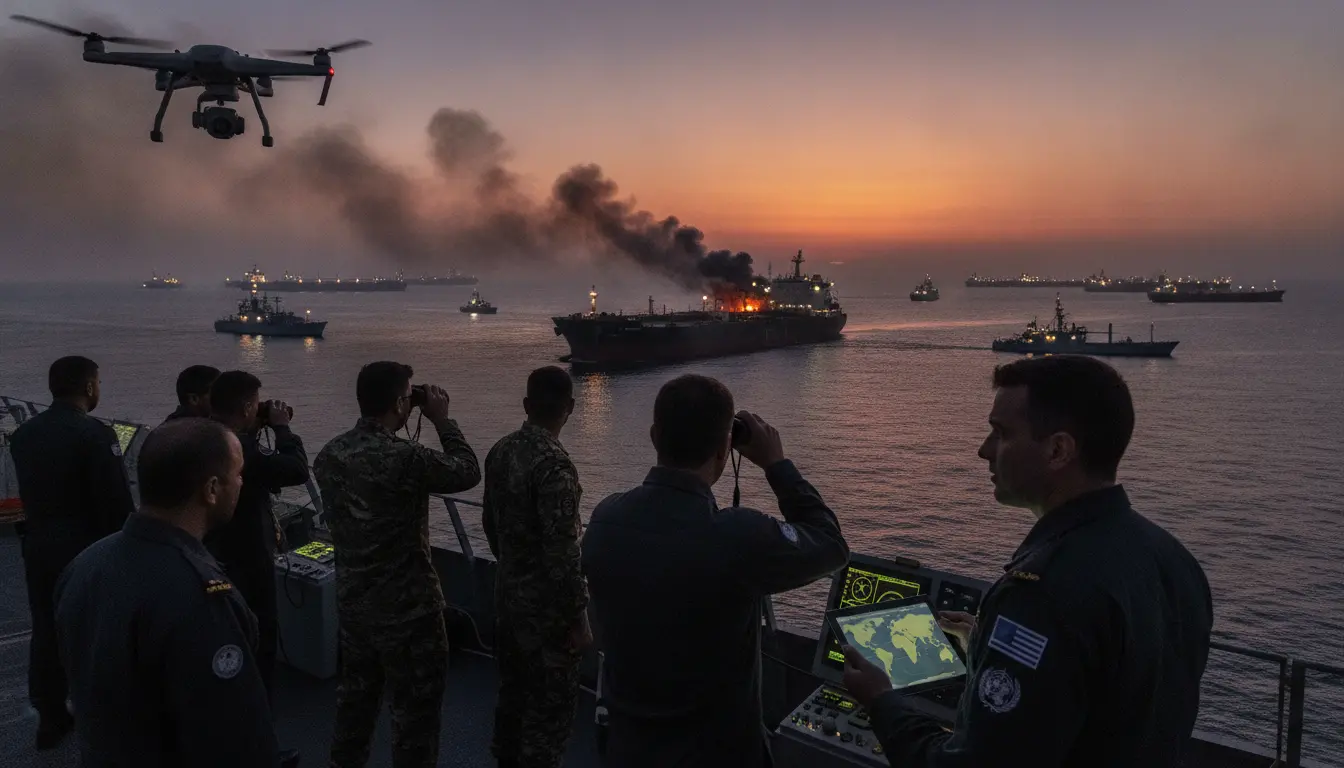
IMO Halts Strait of Hormuz Evacuation Plan Following Gulf of Oman Attack, Citing Rising Tensions
The International Maritime Organization (IMO), a United Nations specialized agency, announced on June 25, 2026, the temporary suspension of its critical plan to evacuate stranded vessels and seafarers from the volatile Strait of Hormuz. This drastic measure follows a recent attack on a commercial vessel in the adjacent Gulf of Oman, an incident that has significantly escalated already simmering regional tensions. The IMO cited the need to “reconfirm safety guarantees” amidst a backdrop of heightened geopolitical risks and explicit threats regarding maritime transit from Iran, casting a pall over one of the world’s most crucial shipping lanes.
The Strait of Hormuz, a narrow waterway connecting the Persian Gulf with the Arabian Sea, serves as the choke point through which approximately 20% of the world’s petroleum and liquefied natural gas passes. Its strategic importance makes it a perennial flashpoint in regional and international politics, particularly concerning Iran's relations with global powers and its Gulf neighbors. The history of maritime incidents in these waters is extensive, ranging from tanker attacks and vessel seizures to direct military confrontations, underscoring the persistent fragility of peace and security in the region. The IMO's decision reflects a stark acknowledgment that the current environment has deteriorated to a point where even humanitarian operations are deemed too risky.
The pause in evacuation efforts implies a pre-existing crisis that had already led to ships and crews becoming immobilized or unsafe within the region. While specific details of the June 25th attack remain partially obscured, its immediate consequence was to trigger the IMO's suspension, suggesting a direct link between the incident and the assessed threat level. The call for renewed safety guarantees highlights a breakdown in previous understandings or assurances, necessitating a re-evaluation of the conditions under which international bodies can operate without jeopardizing personnel or assets. This places a significant burden on regional states, particularly Iran, to demonstrate a commitment to maritime safety and de-escalation.
Iran, strategically positioned along the Strait of Hormuz, has historically leveraged its control over the waterway as a geopolitical tool, often issuing warnings or threats concerning transit in response to international pressure or perceived infringements on its sovereignty. The latest threats come at a time of deep mistrust and ongoing diplomatic stalemates with Western nations over its nuclear program and regional influence. The Islamic Revolutionary Guard Corps (IRGC) frequently conducts exercises in the strait, further contributing to a climate of apprehension. For the IMO, a body tasked with ensuring global shipping safety, navigating this complex political landscape while safeguarding human lives presents an immense challenge.
The ripple effects of this suspension extend far beyond the immediate region. Global shipping insurance premiums are expected to surge, leading to increased costs for goods transported through the strait. The potential for prolonged disruptions could impact global oil and gas supplies, triggering volatility in energy markets. More critically, the plight of stranded seafarers – often forgotten casualties of geopolitical tensions – becomes increasingly dire, facing uncertain futures, dwindling supplies, and psychological distress. The IMO's efforts represent a vital humanitarian function, and its inability to perform it underscores the severity of the crisis.
International diplomatic efforts are now critical to defuse the situation and provide the necessary assurances for the IMO to resume its humanitarian mission. Countries with significant naval presence in the region, such as the United States and various European nations, are likely to intensify their patrols and diplomatic engagement to ensure freedom of navigation and protect their interests. However, the path to de-escalation is fraught with obstacles, given the entrenched positions and strategic rivalries at play. Any resolution will likely require a broader geopolitical understanding that addresses the underlying causes of regional instability, not just the symptoms.
In the interim, the temporary halt of evacuation plans leaves countless seafarers and commercial vessels in a perilous limbo. The UN’s maritime agency faces a monumental task in securing credible, verifiable safety assurances that would enable it to continue its vital work. The current situation in the Strait of Hormuz and Gulf of Oman serves as a stark reminder of how regional conflicts can quickly jeopardize global trade, humanitarian efforts, and the lives of those navigating the world's most critical waterways. The international community watches intently, hoping for a swift de-escalation that allows safe passage and humanitarian intervention to resume in this indispensable maritime corridor.
Stay Informed. Act Smarter.
Get weekly highlights, major headlines, and expert insights — then put your knowledge to work in our live prediction markets.
Related News
Mounting Tensions in Strait of Hormuz Threaten Global Shipping Amid Iranian Actions
US-Iran Tensions Escalate, Jeopardizing Global Shipping Through Strait of Hormuz
Strait of Hormuz Faces Heightened Security Risks Amid Escalating Iranian Maritime Actions
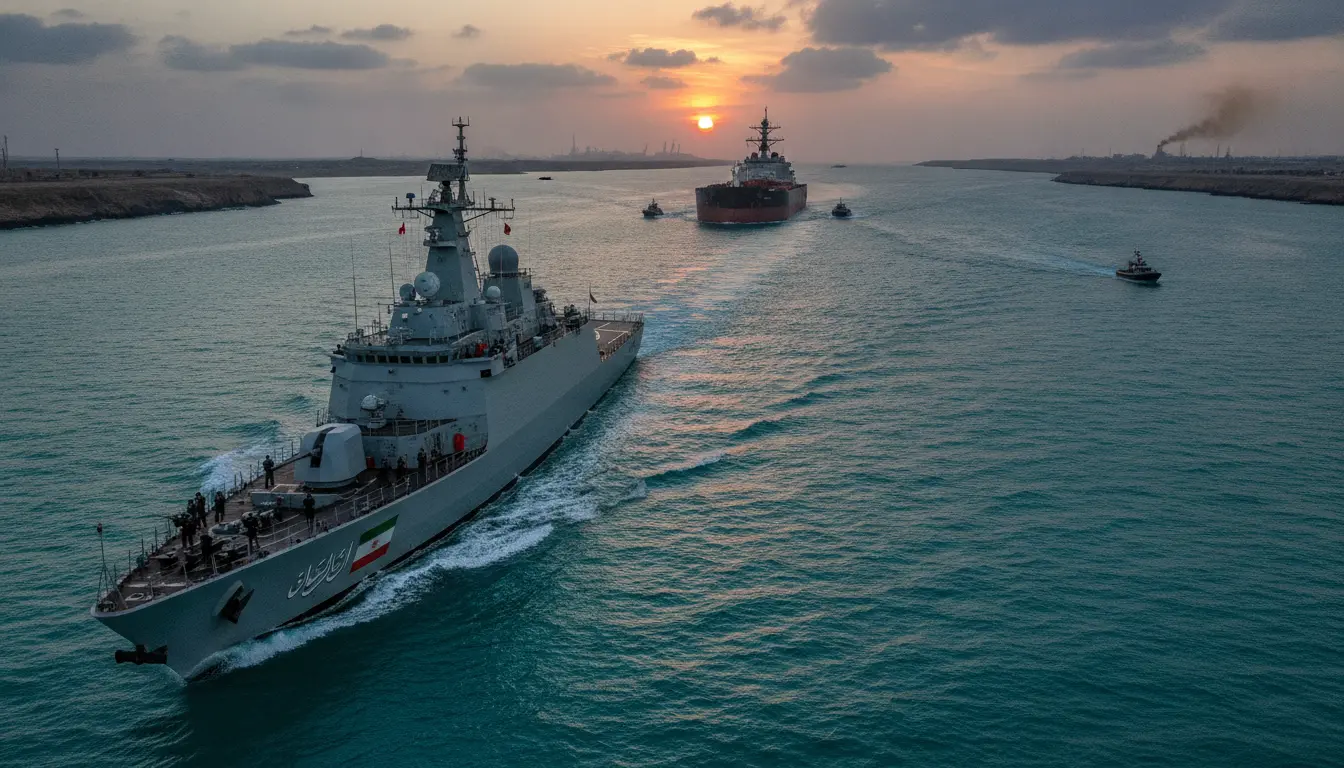
Iran's Maritime Actions Stoke Tensions in Crucial Strait of Hormuz
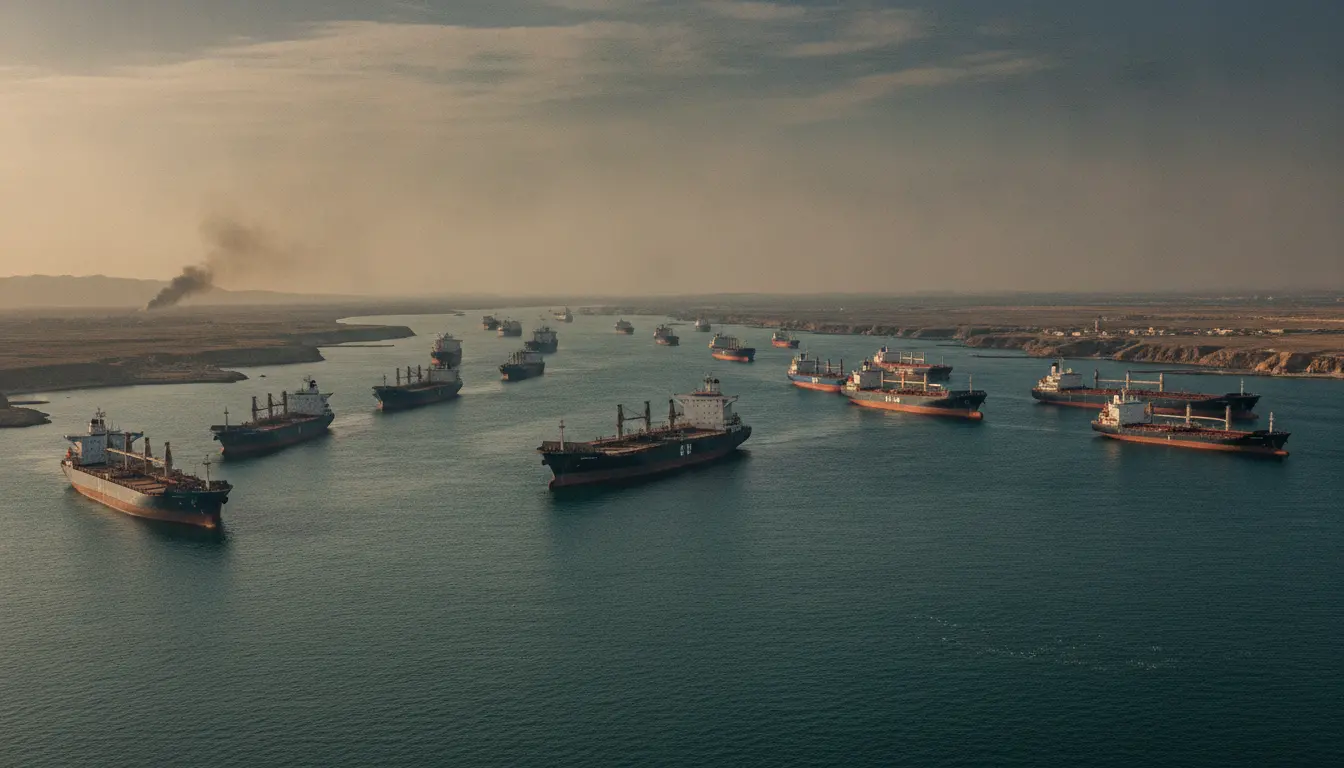
Shipping stalls in Strait of Hormuz after Iran declares key waterway shut
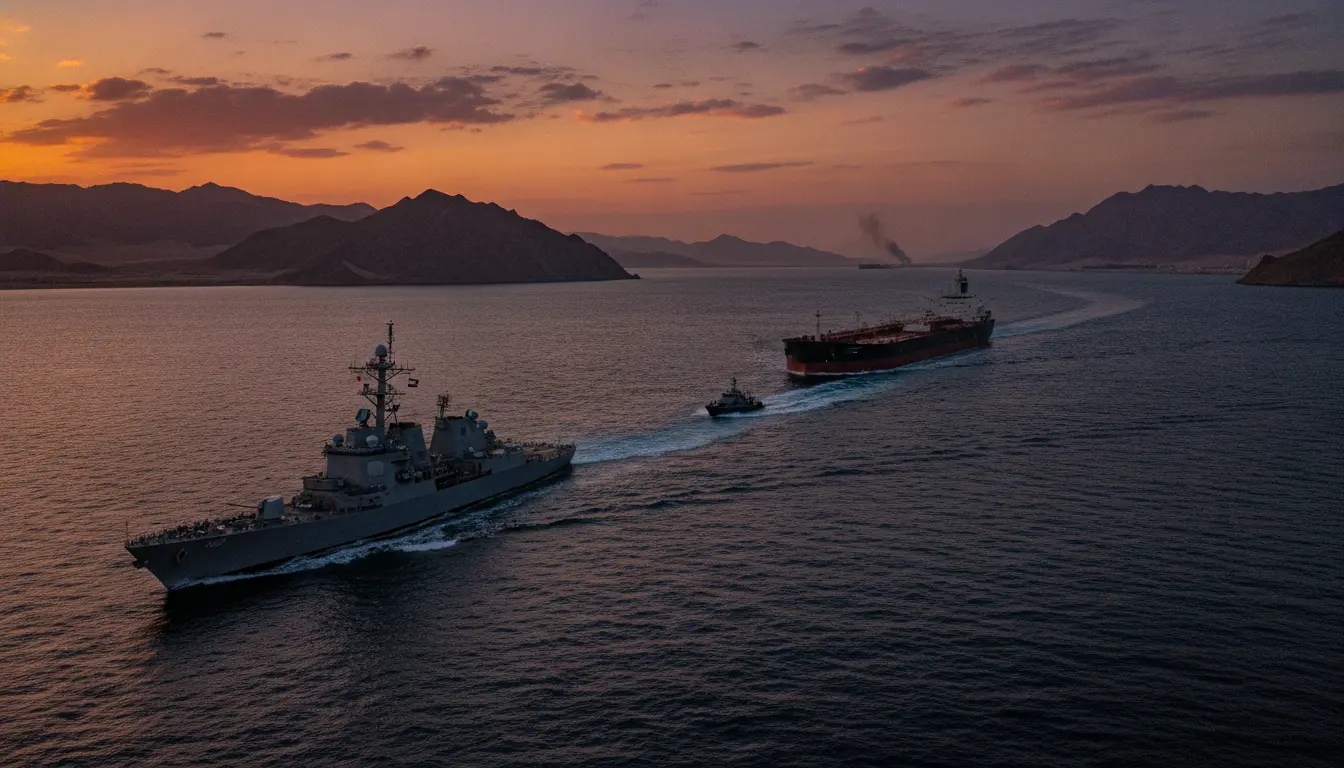
Strait of Hormuz Faces Heightened Tensions as Maritime Incidents Recur
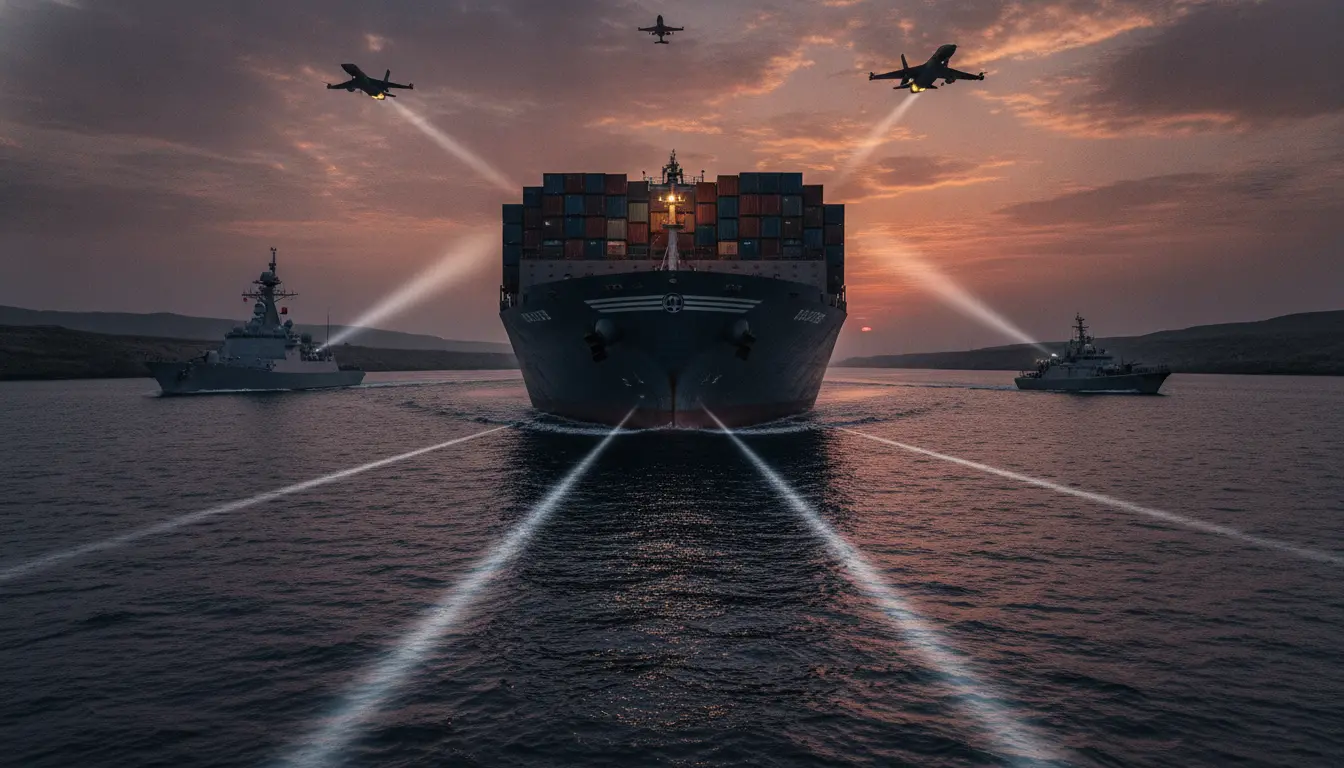
Global Shipping on High Alert as Military Tensions Simmer in Strait of Hormuz
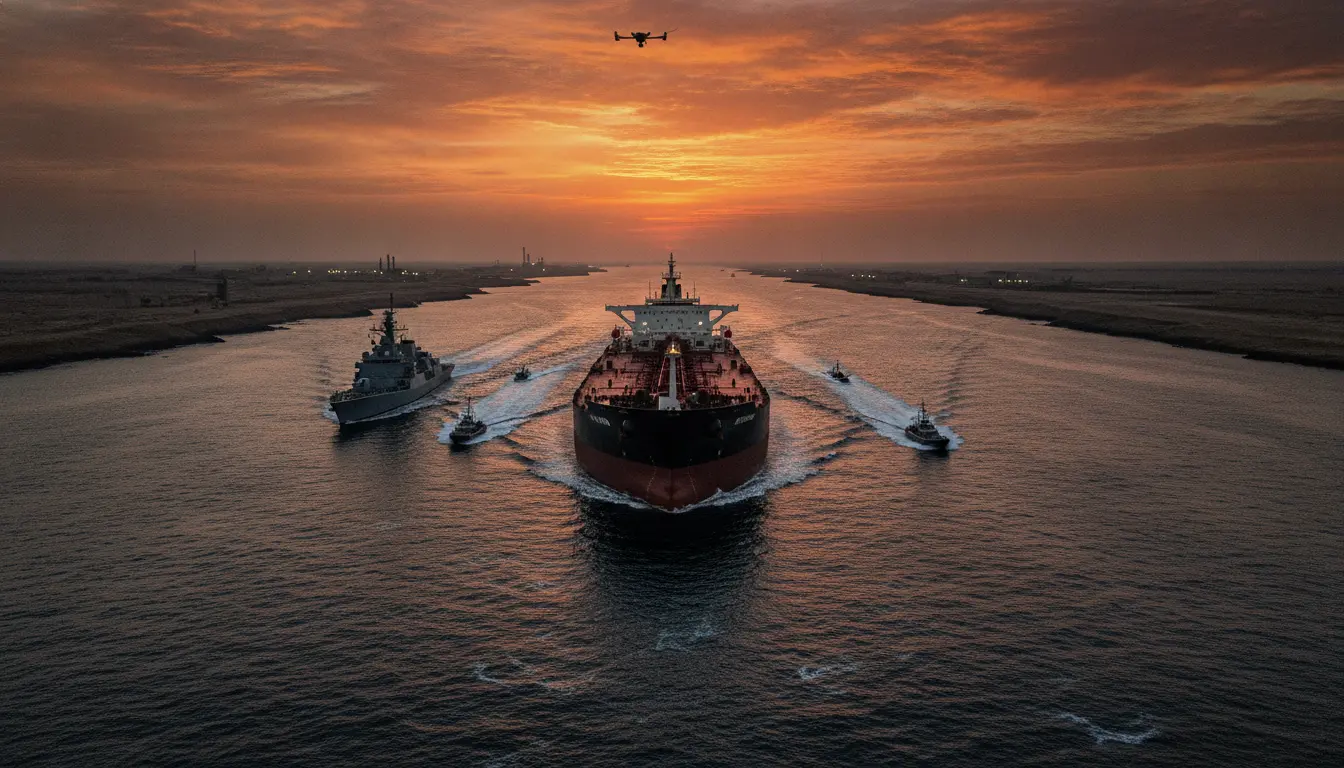
Strait of Hormuz Security Remains Precarious Amid Escalating Regional Tensions
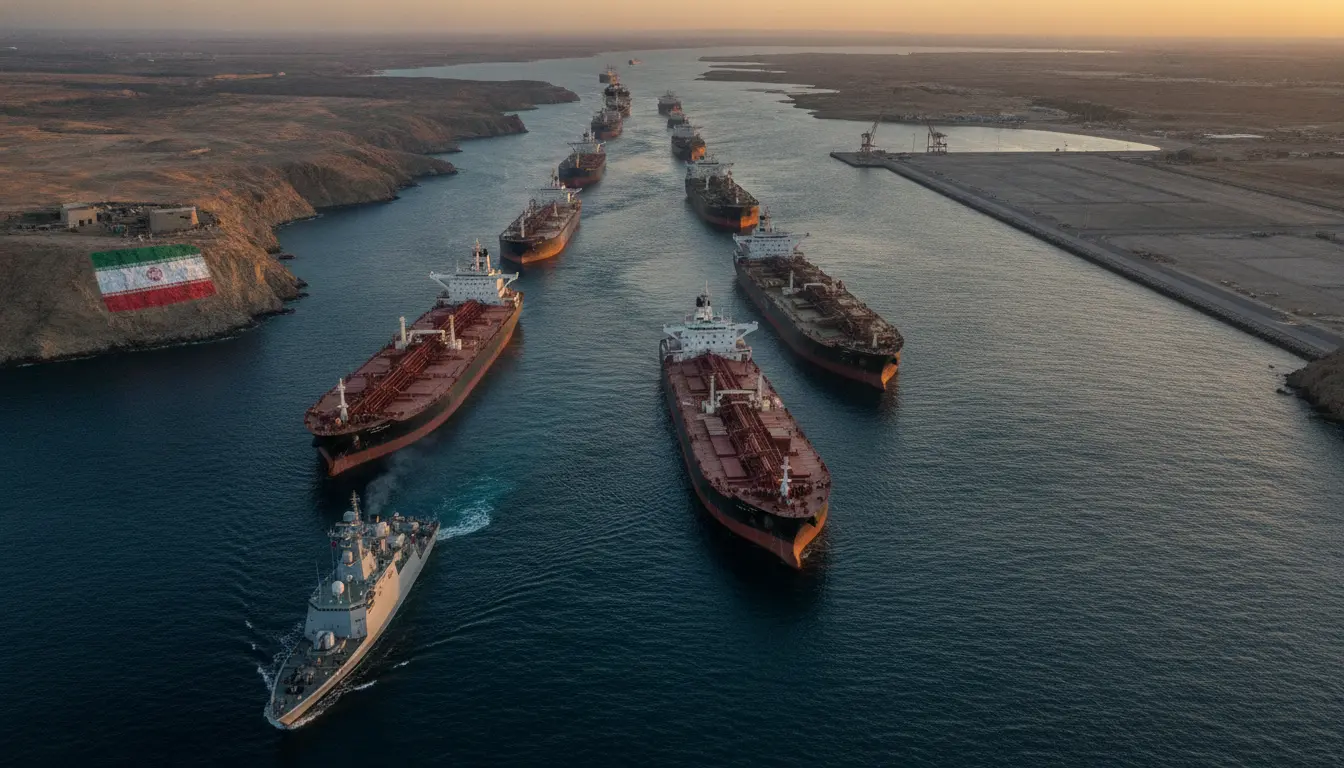
Strait of Hormuz Shipping Remains in Limbo as Iran Conditions Reopening on US Concessions
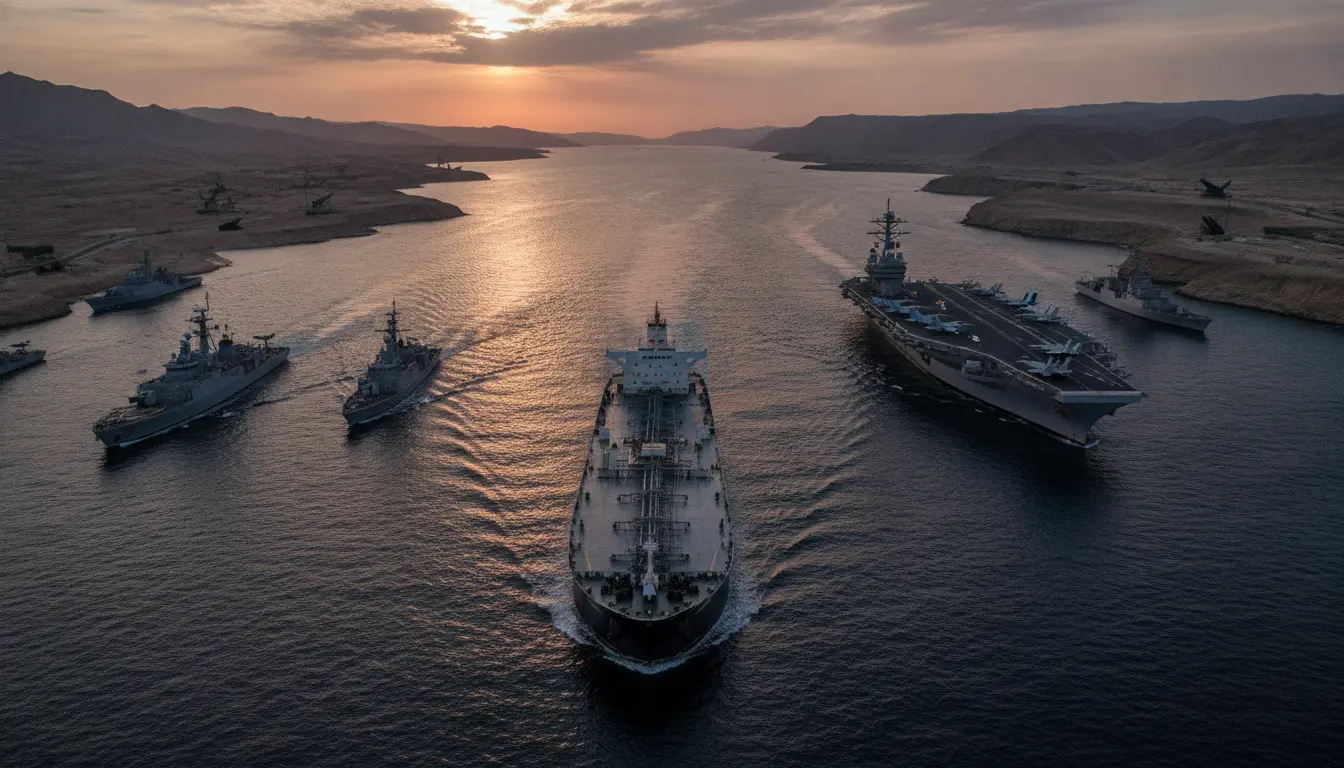
Geopolitical Alarm Rings as US-Iran Standoff Threatens Strait of Hormuz Shipping