


How quickly could Andy Burnham become the UK’s prime minister?
The question of how rapidly Greater Manchester Mayor Andy Burnham could ascend to the UK’s top political office has stirred considerable debate within Westminster and beyond, particularly as a crucial byelection in Makerfield looms. For those not immersed in the daily machinations of British politics, the prospect of a new Prime Minister, potentially within weeks, might seem sudden, yet a confluence of specific events could indeed pave a remarkably swift path for Burnham to challenge Keir Starmer's leadership, should Thursday's vote go his way. However, such a rapid transition hinges on a series of precise and perhaps improbable political dominoes falling just so, presenting an array of alternative outcomes that could easily derail any such ambitions.
Andy Burnham, a former Member of Parliament for Leigh and a cabinet minister under Gordon Brown, is a figure with considerable public recognition and a distinct political brand cultivated over years. His tenure as Greater Manchester Mayor has elevated his profile, positioning him as a vocal advocate for regional devolution and a prominent critic of various central government policies. He has a history of leadership bids, having stood for the Labour Party leadership in both 2010 and 2015, demonstrating a consistent ambition for national influence. The current speculation stems from the hypothetical scenario of him winning the Makerfield byelection, an event that would necessitate his resignation from the mayoral office and a return to the House of Commons, providing him with a direct parliamentary platform from which to launch a potential challenge.
For Burnham to become Prime Minister quickly, a specific sequence of events would need to unfold, beginning with his success in Makerfield. A decisive win would signal a strong mandate for his return to national politics. This immediate parliamentary presence would then need to coincide with a period of significant vulnerability for the incumbent Labour leader, Keir Starmer. While Starmer's position currently appears stable ahead of a general election widely expected later this year, political fortunes can shift dramatically. A less-than-stellar performance in forthcoming local elections, a series of damaging policy missteps, or a perceived lack of connection with core Labour voters could quickly erode confidence among the parliamentary Labour Party (PLP) and the wider membership. Should Starmer’s approval ratings dip sharply, or if a future general election result falls far short of expectations, the conditions for a leadership challenge could crystallize almost overnight.
The mechanics of a Labour leadership challenge are well-defined. For a contest to be triggered, 20% of the PLP – currently around 40 MPs – must nominate a challenger. If Burnham were to secure sufficient nominations, a formal leadership election would commence, involving a vote by party members and affiliated organizations. While this process typically takes several weeks, the timeline can be expedited in times of crisis or perceived urgency. Burnham's established popularity within sections of the Labour membership, combined with his proven track record as a prominent figure, could potentially garner him significant support swiftly. His narrative as a 'reluctant' challenger, stepping in during a moment of party need, could also play well, particularly if Starmer's authority were to be significantly weakened.
However, the path is fraught with significant hurdles and alternative outcomes. First, winning the Makerfield byelection is not a foregone conclusion, even in a traditionally Labour-held seat, given the shifting political landscape. Even if he were to win, returning to Parliament doesn't automatically confer a leadership mandate. Starmer's allies would undoubtedly rally to his defence, highlighting the instability of a mid-election-cycle leadership contest and potentially fracturing party unity. Furthermore, other potential challengers, perhaps those already within the current shadow cabinet, might emerge, fragmenting the anti-Starmer vote. The transition from a popular regional mayor to national leader also presents its own challenges, requiring a different set of political skills and a broader appeal than local mandates might suggest.
Ultimately, while the theoretical possibility of Andy Burnham rapidly ascending to the premiership exists, it remains a highly conditional scenario. The political landscape is a dynamic and unpredictable environment, where even the most carefully laid plans can unravel. For Burnham to replace Keir Starmer in short order would require a perfect storm of a byelection victory, a swift erosion of Starmer's authority, and an unprecedented unity among potential challengers behind Burnham's candidacy. While the intrigue will undoubtedly continue, observers should remain mindful that in politics, as in life, the most direct path is rarely the one taken, and the future remains, as ever, unwritten.
Stay Informed. Act Smarter.
Get weekly highlights, major headlines, and expert insights — then put your knowledge to work in our live prediction markets.
Related News
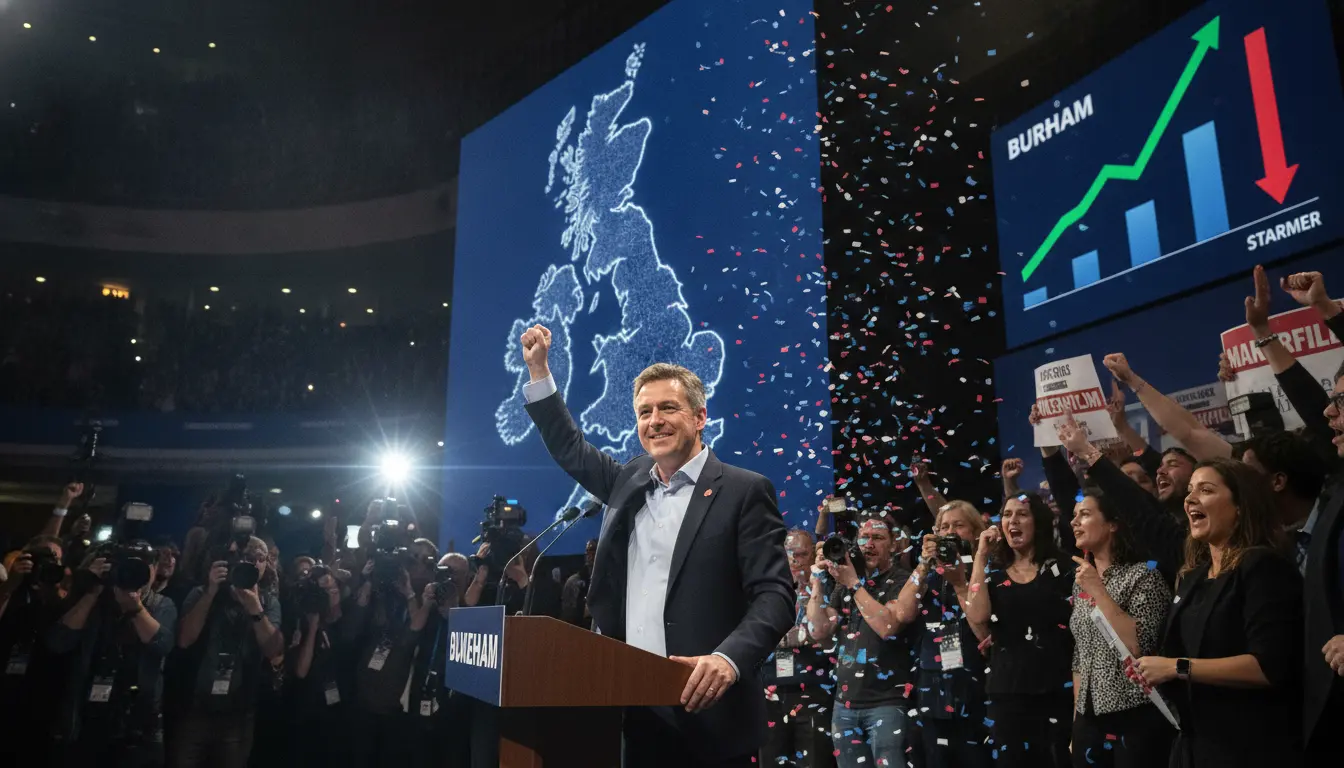
Andy Burnham wins key UK by-election, paving way to challenge Keir Starmer

As Starmer eyes the exit, here’s a vital lesson for Andy Burnham: first impressions are everything | Polly Toynbee
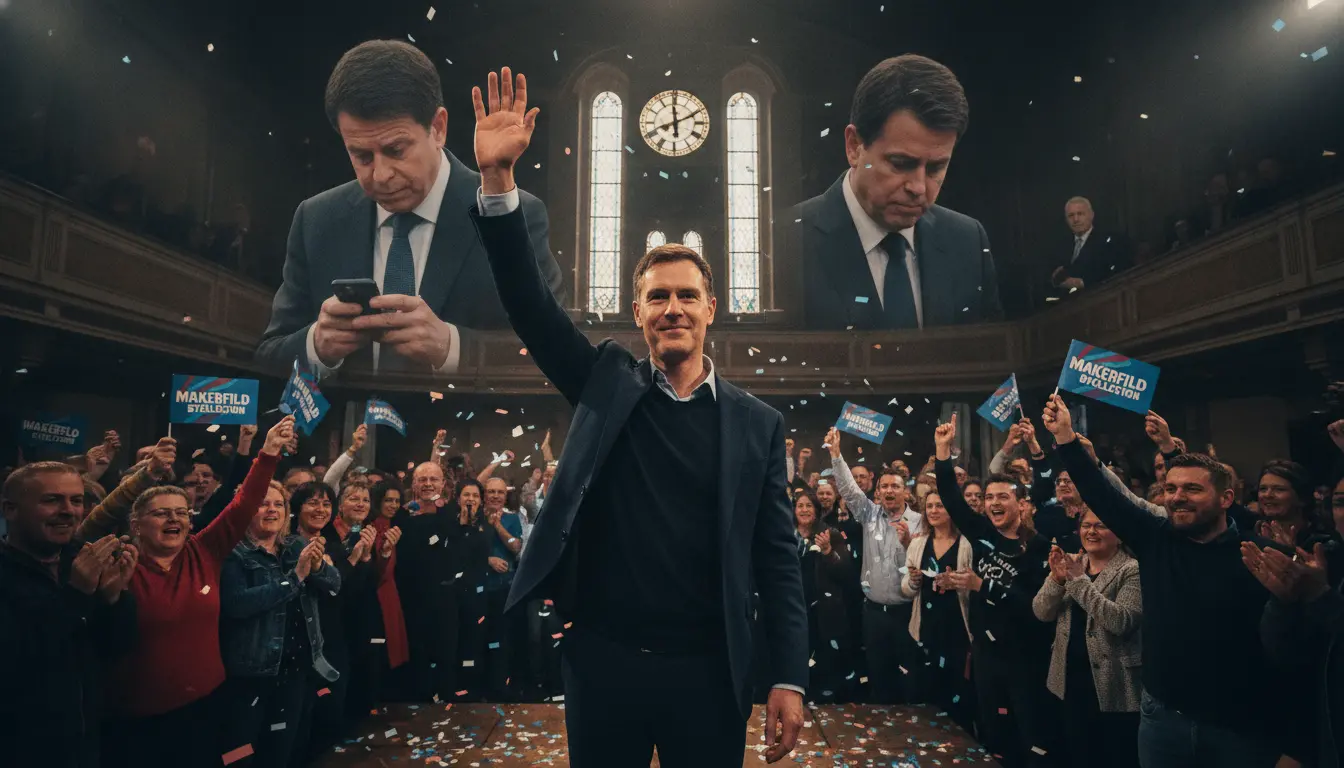
As Starmer eyes the exit, here’s a vital lesson for Andy Burnham: first impressions are everything

Conservative Party Grapples with Identity Crisis as Leadership Hopefuls Emerge from Electoral Wreckage
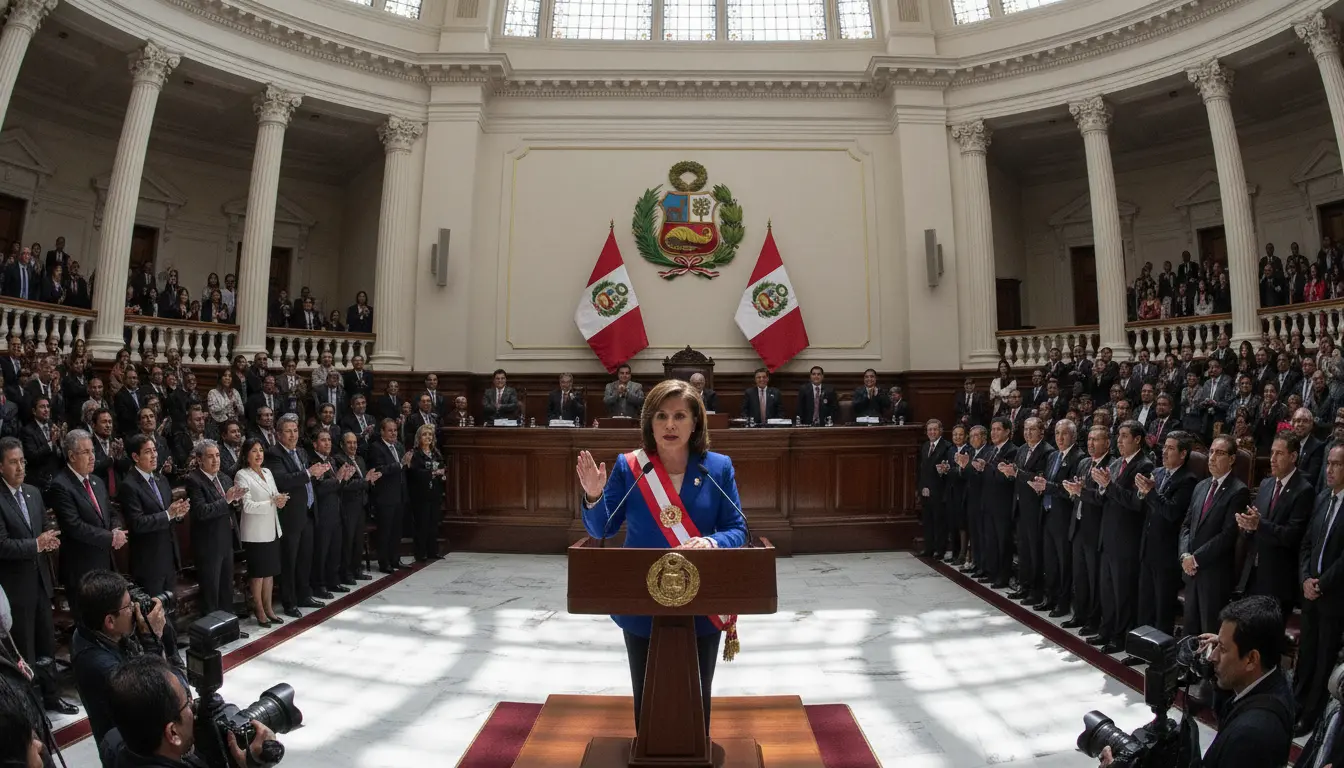
Peruvian President Keiko Fujimori Confronts Immediate Challenges Post-Inauguration

Keiko Fujimori's Enduring Political Influence Sets Stage for Contentious 2026 Peruvian Presidential Race

Scottie Scheffler's Unprecedented Dominance Reshapes FedExCup Landscape
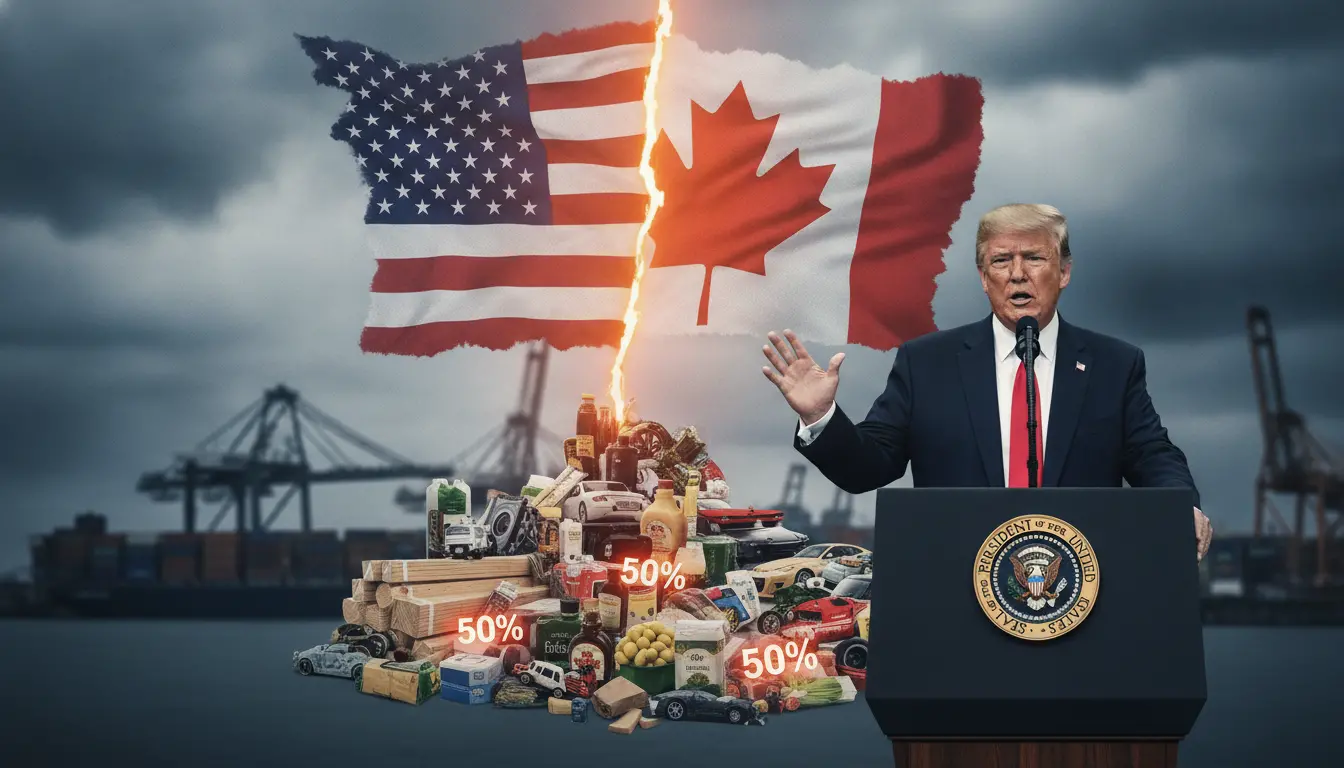
Trump Announces Intent to Impose 50% Tariffs on Most Canadian Goods, Sparking Trade Concerns

Speculation Mounts Over Lionel Messi's International Future

United States Imposes Landmark 50% Tariffs on Canadian Goods Following Diplomatic Stalemate