

PoliticslegislationEducation Reforms
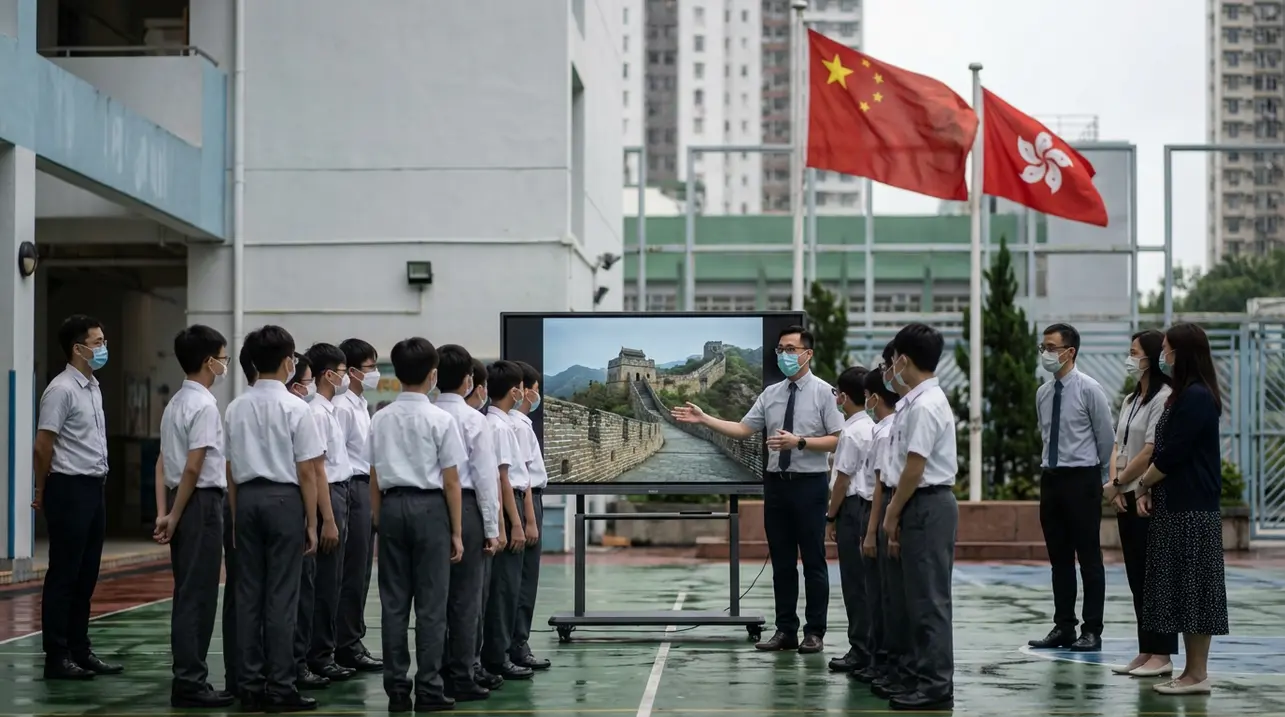
Hong Kong Schools Advance Patriotism and National Security Education
Hong Kong’s education landscape is undergoing a profound and deliberate transformation, one that veteran political observers recognize as a critical front in the broader campaign to solidify national identity and security consciousness. The Education Bureau’s recent report, commendatory in tone, signals not merely incremental progress but a strategic victory in weaving the tenets of patriotism and national security into the very fabric of daily schooling.This shift, framed as a response to past deficiencies and the contemporary threats facing mainland China, represents a decisive move away from the territory’s historically more liberal, internationalist educational ethos. To understand its significance, one must view it through the lens of historical statecraft, where the molding of young minds has always been a cornerstone of long-term political stability.The report’s emphasis on teachers achieving a ‘stronger grasp’ of national security education is particularly telling; it underscores a top-down pedagogical retooling, ensuring that educators themselves become reliable conduits for a specific narrative about the nation’s challenges and the individual’s duty. This approach echoes strategies employed by various governments throughout history seeking to foster unity and resilience, though its implementation in post-handover Hong Kong carries unique geopolitical weight.The context, of course, is the sweeping National Security Law imposed by Beijing in 2020, which created a legal and ideological imperative for such educational reforms. Analysts note that this institutional push serves a dual purpose: it inoculates the next generation against what authorities deem ‘external interference’ while systematically dismantling the legacy of a colonial and protest-influenced civic consciousness.Expert commentary from sociologists suggests the program’s success will be measured not by test scores, but by its success in generating reflexive patriotism—a deep-seated, emotional allegiance that transcends academic understanding. Potential consequences are multifaceted.Domestically, it may further polarize an educational sector already strained by political tensions, with some parents and educators welcoming the clarity and others fearing ideological indoctrination and a narrowing of critical thought. Internationally, it solidifies Hong Kong’s divergence from Western educational models, potentially impacting its appeal as a global academic hub.The long-term analytical insight points to a generational project; today’s students, immersed in this revised curriculum, will become the future civil servants, professionals, and leaders of Hong Kong, inherently aligned with the mainland’s core interests. This is less about a single academic year’s report and more about the quiet, steady work of engineering a durable political consensus from the classroom upward, ensuring Hong Kong’s future is inextricably linked to a specific vision of China’s destiny.
#Hong Kong
#patriotism
#national education
#schools
#Education Bureau
#national security
#featured