

Politics
Home Ownership and Civic Trust in Hong Kong After Elections
RO
Robert Hayes
6 months ago7 min read
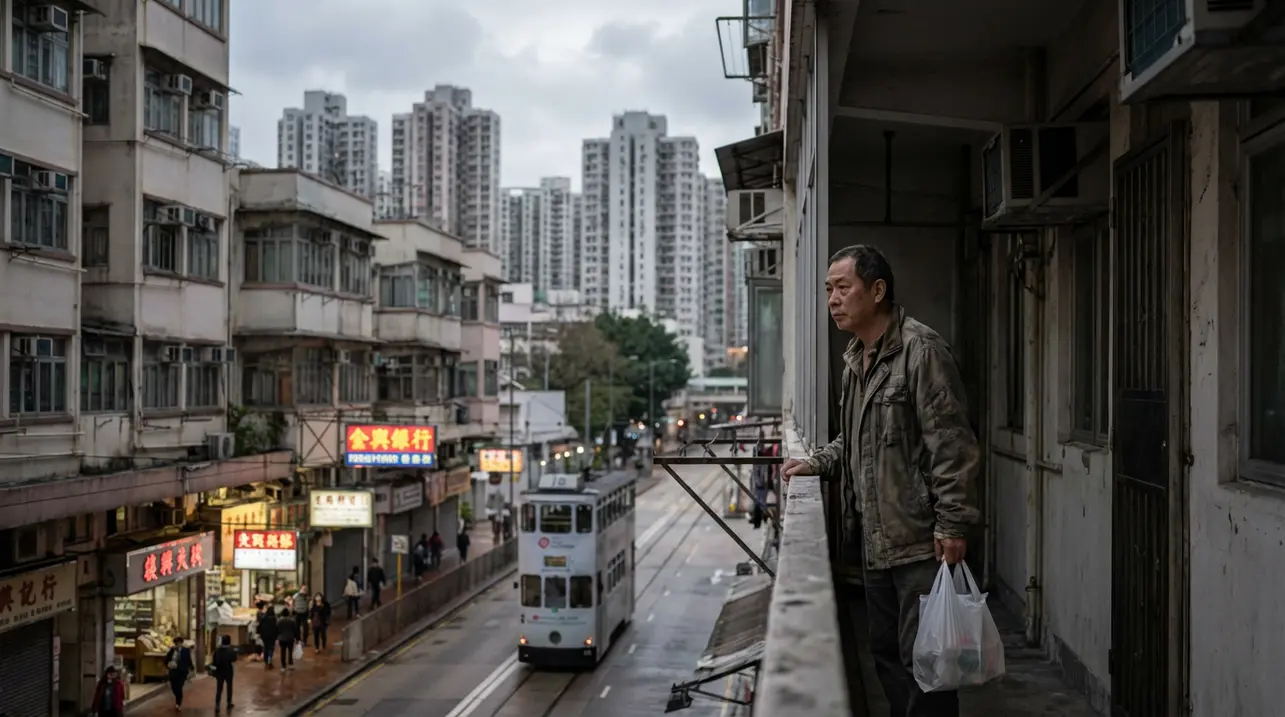
This month’s Legislative Council election in Hong Kong has, once again, cast a stark light on the evolving contours of political participation within the Special Administrative Region. While official narratives championed civic engagement and a modest uptick in turnout compared to the previous cycle, the overall participation rate settled at a historically low ebb, a figure that speaks volumes more than any campaign slogan.Particularly among the city’s younger demographic, a palpable sense of distance from institutional politics was not merely observed but felt—a quiet, pervasive sentiment that transcends simple labels of apathy or deliberate protest abstention. This phenomenon reflects a deeper, more systemic unease, a questioning of whether the established political architecture still possesses the requisite legitimacy and efficacy to channel public will and address the profound socio-economic challenges facing Hong Kong.To understand this, one must look beyond the ballot box to the foundational pillars of societal stability, where home ownership has long been intertwined with civic trust and a stake in the system’s future. Historically, from the post-war social contracts of Western democracies to the property-owning democracy ideal championed by figures like Margaret Thatcher, asset ownership has been correlated with greater institutional engagement.In Hong Kong’s context, the astronomical property prices and the resulting generational wealth gap have created a fissure in this traditional linkage. For a significant portion of younger citizens, the dream of home ownership—a tangible anchor to the community and a traditional motivator for political investment—remains frustratingly out of reach, fostering a sense of permanent transience and disconnection from long-term civic planning.This economic reality dovetails with a political landscape that has undergone significant recalibration under the National Security Law and electoral overhaul, which while ensuring stability from one perspective, have, from another, narrowed the perceived spectrum of competitive debate and policy alternatives. The consequence is a potential feedback loop: when political participation feels less impactful on core livelihood issues like housing, engagement wanes; and as engagement wanes, the political institutions may become less responsive to those very concerns, further deepening the disconnect.Expert commentary from sociologists like Dr. Simon Lee of the Chinese University of Hong Kong often points to this ‘participation-confidence gap,’ where formal mechanisms exist but public faith in their output is diminished.The shadow of the 2019 protests and their aftermath looms large here, having profoundly reshaped the public’s relationship with authority and expression. The current administration’s focus on governance efficiency and economic development, championing a ‘patriots administering Hong Kong’ model, aims to rebuild trust through performance and material betterment.Yet, the electoral turnout suggests that translating administrative success into renewed civic passion is a complex, non-linear journey. Looking forward, the implications are multifaceted.A sustained depoliticization of the electorate could lead to a more technocratically managed city, potentially efficient but lacking in vibrant public discourse. Alternatively, it may channel political energy into alternative, non-electoral forms of civic life—community mutual aid, cultural production, or digital forums—creating a parallel public sphere.For Beijing and the Hong Kong government, the task is not merely to improve turnout metrics but to convincingly demonstrate that the city’s governing institutions can deliver tangible progress on existential issues like housing affordability and social mobility, thereby restoring the broken link between personal prospect and political trust. As in historical precedents where civic renewal followed periods of disillusionment, the path for Hong Kong will likely hinge on its ability to forge a new, credible social contract that resonates across generations, making every citizen feel they have a genuine, vested stake in the city’s next chapter.
#editorial picks news
#Hong Kong
#Legislative Council election
#civic trust
#voter apathy
#political participation
#housing policy
#youth engagement
Stay Informed. Act Smarter.
Get weekly highlights, major headlines, and expert insights — then put your knowledge to work in our live prediction markets.
Related News

Comments
It's quiet here...Start the conversation by leaving the first comment.