

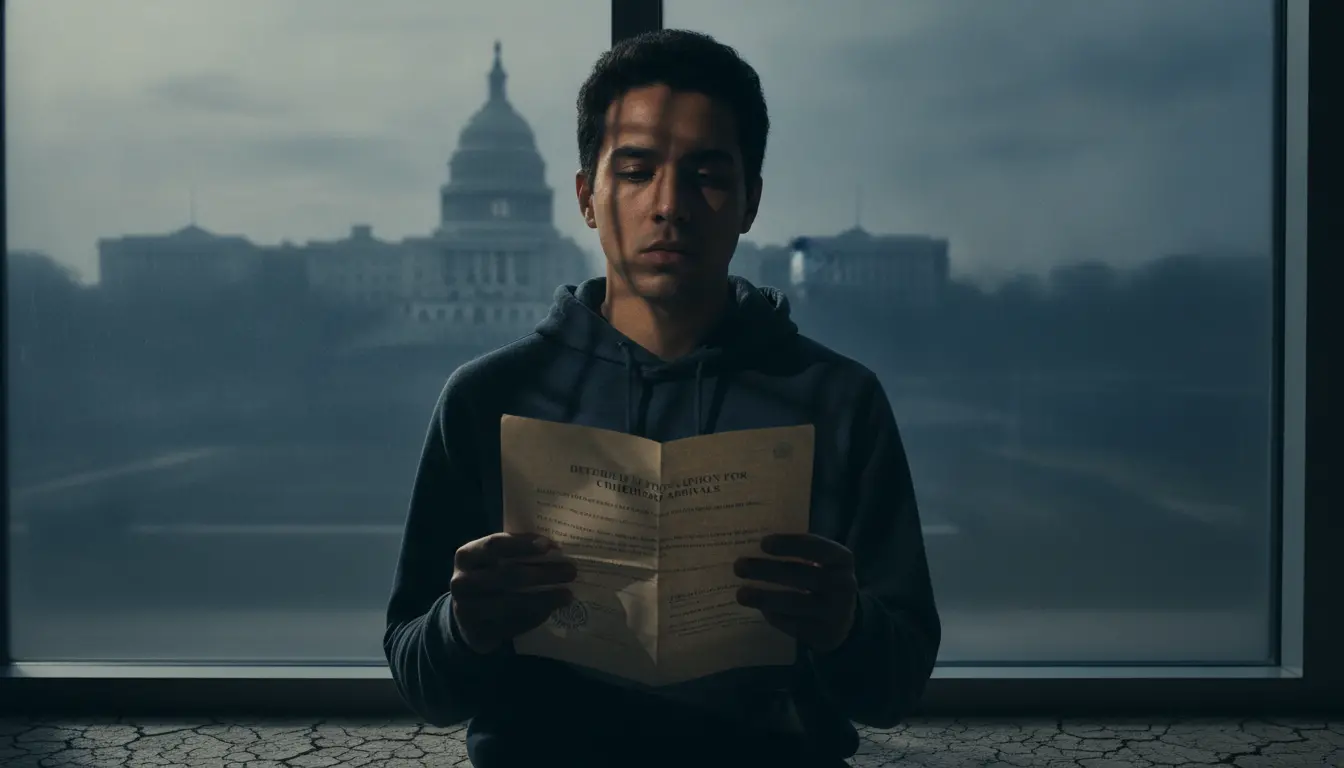
Future of DACA Program Under Scrutiny Amid Potential Administrative Termination Efforts
The Deferred Action for Childhood Arrivals (DACA) program, a lifeline for hundreds of thousands of undocumented immigrants brought to the United States as children, faces a renewed period of intense uncertainty. As political dynamics shift and the possibility of a change in presidential administration looms, advocates and recipients are bracing for potential executive actions that could seek to dismantle the decade-old initiative. The program, which currently shields nearly 580,000 individuals from deportation and allows them to work legally, has been a political battleground since its inception, and its future remains deeply precarious, with significant implications for families, communities, and the nation's economy.
Established in 2012 by the Obama administration, DACA offered a temporary reprieve to eligible individuals, often referred to as “Dreamers,” who met specific criteria, including having arrived in the U.S. before age 16 and before June 2007, continuously resided in the country, and completed high school or served in the military. It did not provide a path to citizenship but offered a renewable two-year deferral from deportation and eligibility for work permits. From the outset, DACA faced legal challenges, with opponents arguing it exceeded presidential authority and sidestepped Congress. These legal battles have created a volatile landscape for recipients, who have lived with the constant threat of the program's revocation.
The previous administration, under Donald Trump, made concerted efforts to terminate DACA in 2017, triggering a series of high-stakes court battles that ultimately led to a Supreme Court ruling in 2020 blocking the administration's initial termination attempt on procedural grounds. While the program was allowed to continue processing renewals, subsequent lower court decisions have significantly restricted it, barring new applications since 2021. This legal limbo means that while current DACA recipients can continue to renew their protections, no new individuals can apply, leaving hundreds of thousands of other potential Dreamers without similar safeguards. This fragmented status underscores the program's fragile existence, dependent on judicial rulings and executive discretion.
Looking ahead, the prospect of a new political landscape intensifies concerns among DACA recipients and their advocates. Reports have emerged detailing discussions about various strategies a future administration might employ to formally end the program, ranging from initiating new regulatory procedures to re-litigating its legality in courts sympathetic to termination arguments. Such actions could include imposing stricter renewal conditions, curtailing work authorization benefits, or increasing enforcement actions against recipients. The legal framework surrounding DACA is complex, but a determined executive branch, potentially supported by a different judicial composition, could explore avenues to override previous court protections or introduce new policies that effectively shutter the program.
The termination of DACA would have far-reaching human and economic consequences. It would strip hundreds of thousands of individuals of their legal work authorization, forcing many into the shadows of the informal economy or making them targets for deportation. Many DACA recipients are integral members of their communities, contributing significantly to the U.S. economy, owning businesses, and raising American citizen children. Advocacy groups and immigrant rights organizations are mobilizing, preparing for potential legal challenges and public campaigns should termination efforts materialize. They argue that ending DACA would be a moral and economic blow, disrupting lives and undermining national interests.
Congress, despite bipartisan support for a permanent legislative solution for Dreamers, has repeatedly failed to pass comprehensive immigration reform. This legislative inaction has left DACA recipients vulnerable to the whims of presidential administrations and the courts, perpetuating their unstable legal status. The current environment suggests that the fight for DACA’s survival will continue to be waged primarily through executive actions and judicial challenges, with the political will of the executive branch playing a decisive role in the program’s ultimate fate. The coming years are poised to be critical for the program, its beneficiaries, and the ongoing debate over immigration policy in the United States.
The stakes are incredibly high for nearly 600,000 DACA recipients whose lives and livelihoods depend on the program's continuation. Their future remains tethered to the shifting political tides, with the specter of formal termination looming large as a significant policy decision for any future administration. The unfolding political landscape will determine whether DACA continues to provide a measure of stability for Dreamers or if it faces its definitive end.
Stay Informed. Act Smarter.
Get weekly highlights, major headlines, and expert insights — then put your knowledge to work in our live prediction markets.
Related News
United States Weighs Permanent Policy for Immediate Asylum Expulsion at Southern Border
Future US Administration Poised to Reimplement Immediate Asylum Expulsions at Southern Border
Supreme Court Considers Trump-Era Mail-In Voting Order Amidst Looming Election Cycle

Federal Appeals Court Weighs Challenge to Trump Administration's Use of Alien Enemies Act
Intensifying Political and Legal Battles Renew Impeachment Speculation for Donald Trump
Trump-Era Policy Stance Casts Shadow Over USMCA's Future Ahead of 2026 Review
Trump's Stance on USMCA Sparks North American Trade Tensions, Setting Stage for Renegotiation
U.S. Supreme Court Poised to Revisit State Abortion Restrictions Amidst Mounting Legal Challenges

Trump Hints at Scrapping USMCA, His Own Signature Trade Deal, Sparking Economic Uncertainty

Proposed SAVE Act to Mandate Citizenship Proof for Federal Voters Sparks US House Battle