

- News
- Politics
- Future US Administration Poised to Reimplement Immediate Asylum Expulsions at Southern Border
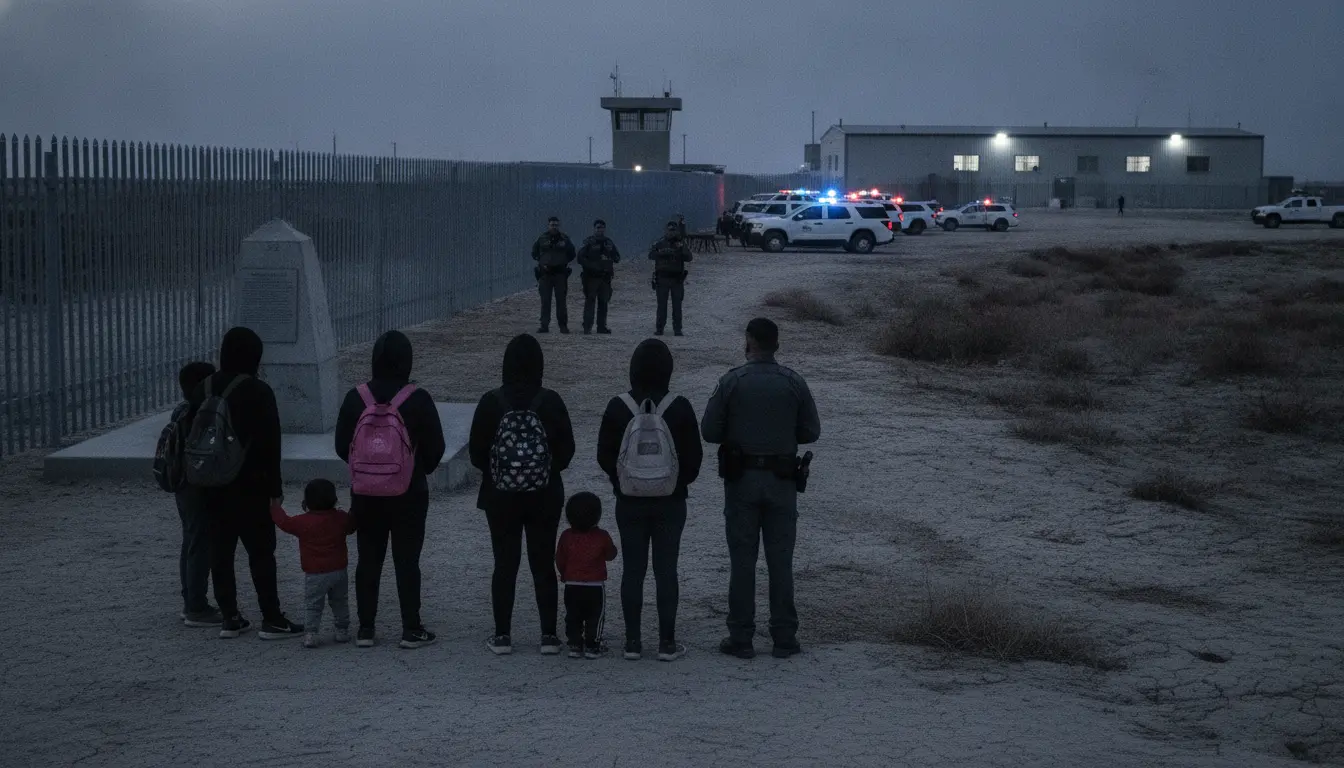
Future US Administration Poised to Reimplement Immediate Asylum Expulsions at Southern Border
The United States stands at the precipice of a significant paradigm shift in its approach to asylum claims at the southern border, as political momentum builds for policies that could allow for the immediate expulsion of migrants without traditional hearings. This potential policy pivot, rooted in recent legal developments and evolving political discourse, could dramatically reshape the landscape of immigration enforcement and human rights protections within the coming years.
The specter of immediate expulsion without due process is not new to the U.S. immigration system. During the COVID-19 pandemic, the Trump administration, and subsequently the Biden administration, invoked Title 42 of the Public Health Service Act to rapidly expel migrants at the border, citing public health concerns. This policy, originally intended for quarantines, became a contentious tool for border management, allowing authorities to bypass standard asylum processing requirements. While Title 42 eventually expired, its legacy underscores a persistent desire among some policymakers to expedite removals and deter irregular migration, often at the expense of established international and domestic asylum laws.
Legal challenges have consistently shadowed these expedited expulsion attempts. The U.S. Supreme Court has played a crucial role in these debates, at times allowing temporary enforcement of restrictive border measures. For instance, in past instances, the Court has weighed in on administrative stays and appeals related to Title 42, reflecting the deep divisions within the judiciary on how to balance national security and border control with human rights and asylum obligations. These judicial interventions, while sometimes allowing administrations flexibility, also highlight the complex legal tightrope walked by any policy seeking to circumvent asylum hearings, which are a cornerstone of both U.S. and international law, specifically the 1951 Refugee Convention and its 1967 Protocol, to which the U.S. is a signatory.
Advocates for stricter border enforcement argue that immediate expulsion policies are necessary to manage overwhelming migrant flows, deter economic migration disguised as asylum claims, and maintain operational control over the southern border. They contend that the current system is overburdened and exploited, leading to security risks and strains on resources. The political rhetoric surrounding these proposals often emphasizes sovereignty and national security, appealing to a segment of the electorate that demands a more stringent approach to immigration. A future administration, particularly one with a similar ideological bent to past Republican presidencies, is likely to prioritize such measures, potentially seeking new legal interpretations or legislative pathways to reestablish similar rapid expulsion authorities.
Conversely, human rights organizations and immigrant advocates vehemently oppose policies that deny asylum seekers their right to a hearing. They argue that immediate expulsions violate international non-refoulement principles, which prohibit returning individuals to countries where they face persecution or torture. These policies disproportionately affect vulnerable populations, including women, children, and LGBTQ+ individuals fleeing violence and instability in their home countries. The absence of a hearing process means that legitimate asylum claims, often involving life-or-death situations, could be summarily dismissed, sending individuals back into harm’s way without due consideration of their cases. Such a policy also risks creating a humanitarian crisis at the border, as migrants denied entry could be stranded in dangerous conditions.
The implementation of a sweeping immediate expulsion policy by a future U.S. administration would undoubtedly trigger a fresh wave of legal challenges, both domestically and internationally. Courts would once again be tasked with scrutinizing the legality and constitutionality of such measures, potentially leading to prolonged litigation that could shape immigration law for decades. Moreover, such a policy would likely draw widespread condemnation from international bodies and human rights advocates, further complicating diplomatic relations and tarnishing the U.S.'s image as a protector of human rights. The coming years will be critical in determining the fate of asylum seekers at the U.S. southern border, as the country grapples with balancing its security imperatives with its enduring commitment to humanitarian values.
Stay Informed. Act Smarter.
Get weekly highlights, major headlines, and expert insights — then put your knowledge to work in our live prediction markets.
Related News
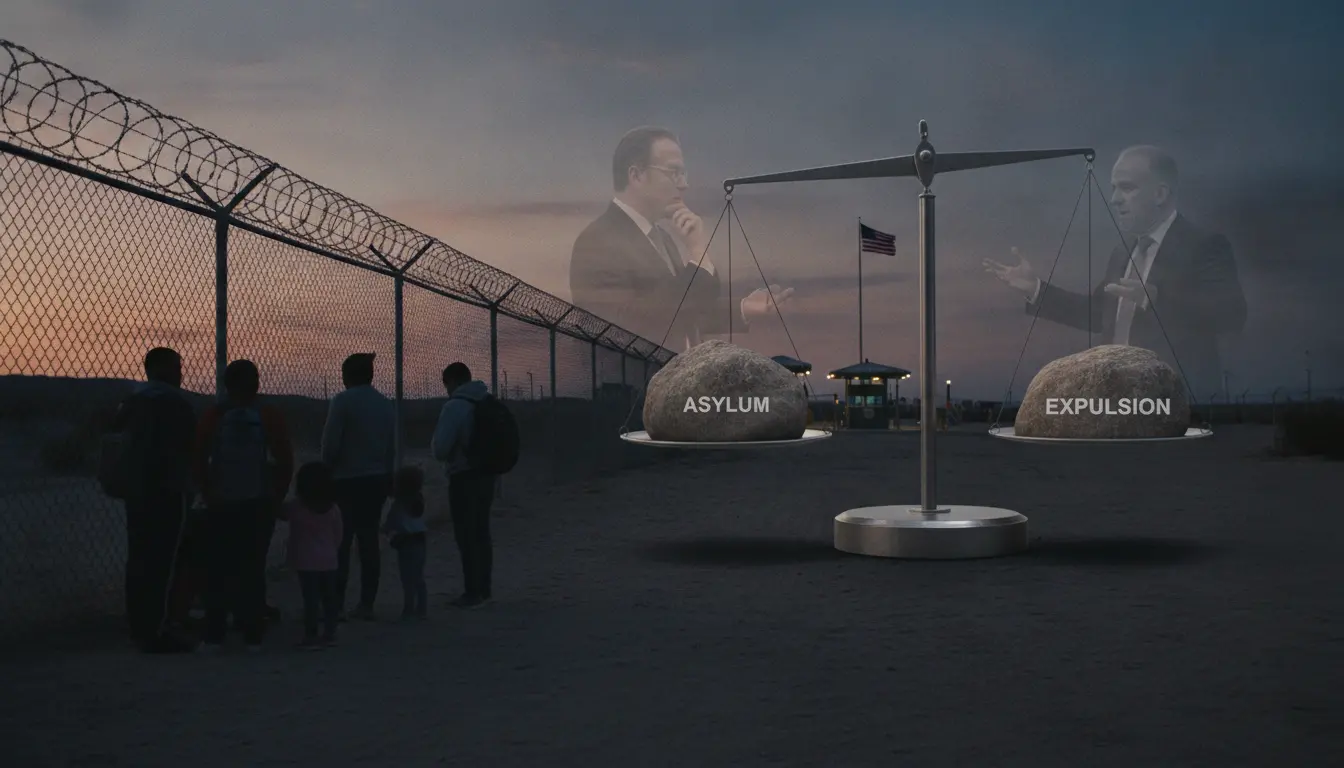
United States Weighs Permanent Policy for Immediate Asylum Expulsion at Southern Border

Federal Appeals Court Weighs Challenge to Trump Administration's Use of Alien Enemies Act

Future of DACA Program Under Scrutiny Amid Potential Administrative Termination Efforts

Right-Wing Provocateur Milo Yiannopoulos Detained by ICE, Faces Deportation Proceedings
Trump Administration Pushes Supreme Court to Allow Transgender Military Ban to Take Effect
U.S. Supreme Court Poised to Revisit State Abortion Restrictions Amidst Mounting Legal Challenges

Supreme Court Rulings Ignite Debate Over Presidential Authority to Challenge FCC Leadership

Madrid Considers Troop Deployment to Ceuta Following Renewed Border Pressures
U.S. Supreme Court Deliberates Sweeping Presidential Immunity Claims Amidst Landmark Case

Supreme Court Expands Presidential Authority to Remove Independent Agency Heads, Redefining Executive Control