Politicsconflict & defenseMilitary Operations
El Fasher captured, raising fears of Sudan splitting.
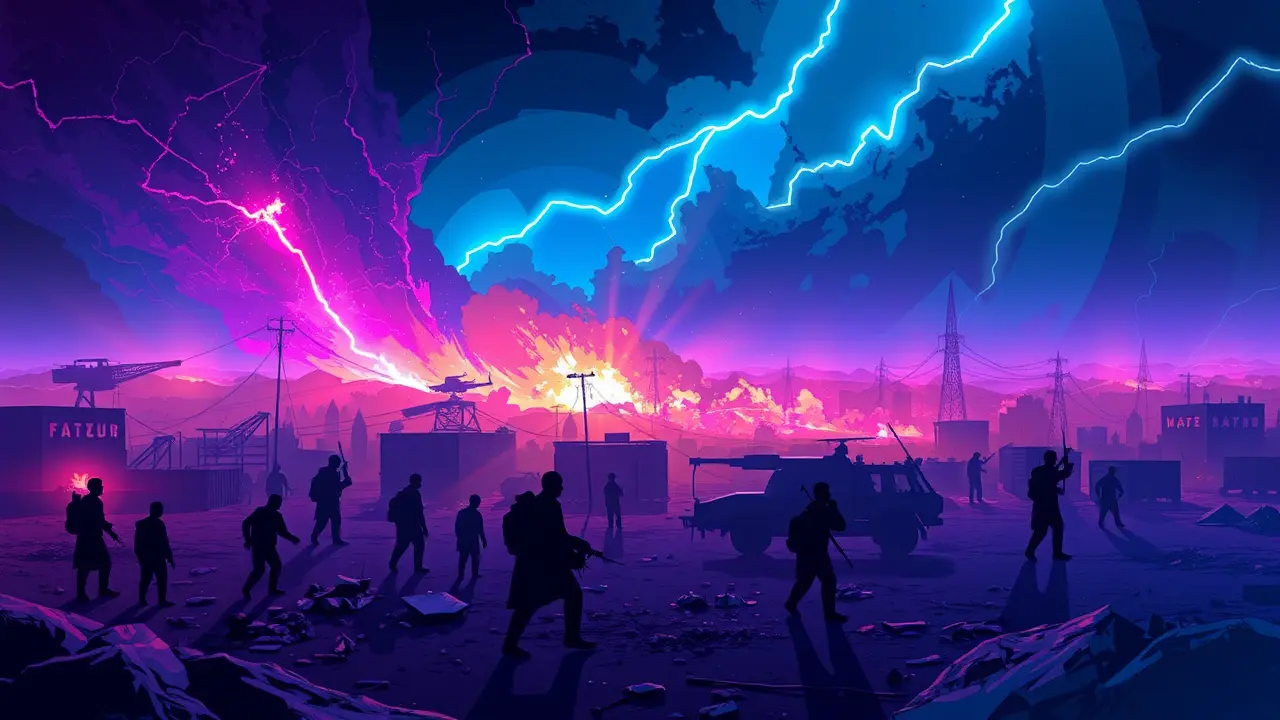
The capture of El Fasher by the Rapid Support Forces is not merely another grim dateline in Sudan's relentless conflict; it is a seismic shockwave threatening to fracture Africa's third-largest nation, a chilling echo of the partition that birthed South Sudan fifteen years ago. That earlier schism, born from decades of civil war and culminating in the loss of the oil-rich south, was supposed to be the catharsis that saved the whole.Instead, it exposed the brittle fault lines of a nation perpetually at war with itself, and the fall of El Fasher, the last major holdout in the Darfur region, signals that the very concept of a unified Sudan is now hanging by a thread. The humanitarian catastrophe is immediate and visceral—a city of millions now besieged, its markets barren, its hospitals shelled, its people caught in a vicious crossfire between a resurgent, Arab-led paramilitary and a desperate national army.But the strategic implications are even more profound. El Fasher was more than a city; it was a symbol of state authority in a region long marginalized, and its capture effectively redraws the map of Sudanese control, consolidating the RSF's dominion over the western half of the country and raising the terrifying specter of a formal partition.This isn't just a battle for territory; it's a battle for the soul of a nation, pitting a vision of a centralized, Arab-dominated state against a fragmented reality of competing warlords and ethnic enclaves. The international community watches, as it often does, with a mixture of hand-wringing and helplessness, its aid convoys blocked and its diplomatic efforts repeatedly stymied.The grim precedent of South Sudan's troubled independence—a peace that led not to prosperity but to renewed cycles of violence and famine—looms large, a stark warning that divorce is messy and statehood is fragile. The fear now is that Sudan is not just failing, but actively unraveling, its borders dissolving into a patchwork of fiefdoms that could destabilize the entire Sahel, creating a vacuum for transnational crime and extremism to flourish. The people of El Fasher are not just fighting for their homes today; they are, unwittingly, on the front lines of a struggle that will determine whether the map of Sudan, as we know it, continues to exist.
#Sudan
#Darfur
#El Fasher
#conflict
#civilians
#displacement
#civil war
#featured