

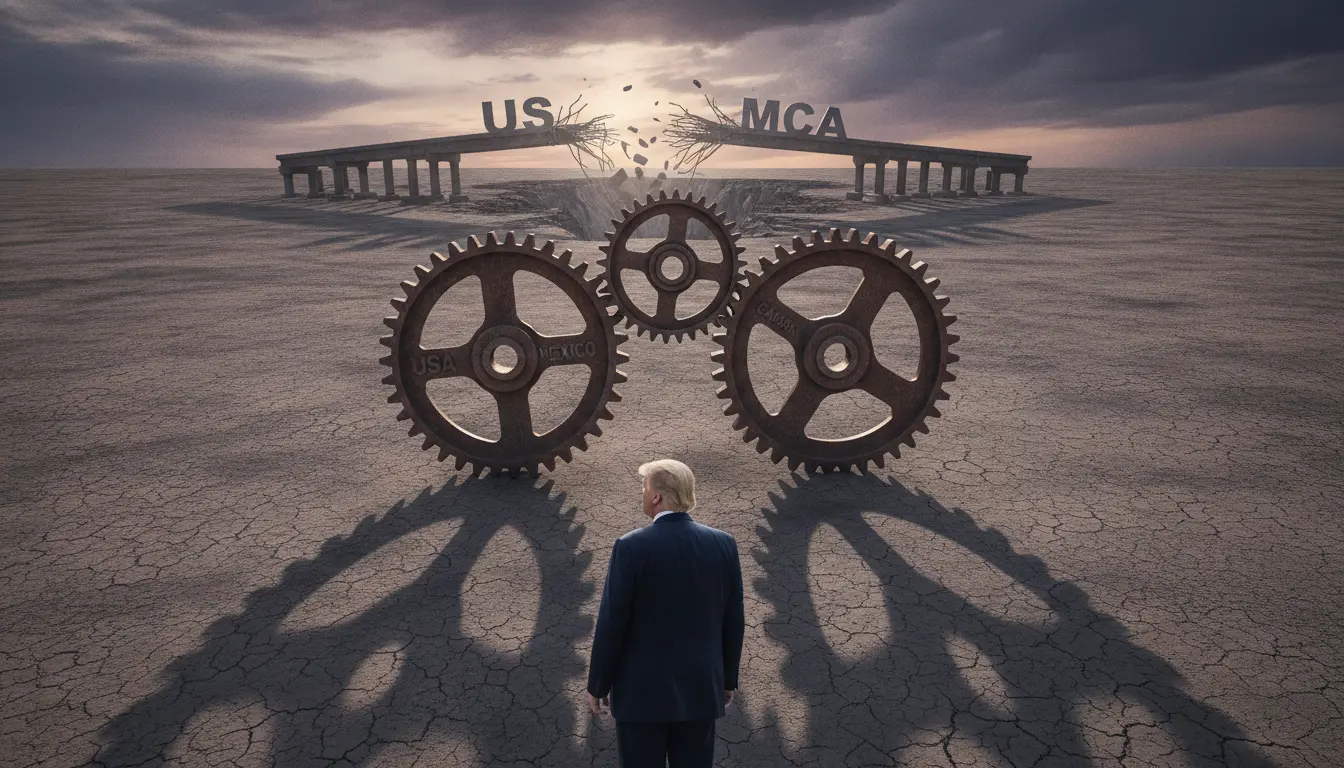
Donald Trump Signals Reluctance to Renew USMCA Trade Pact
Former President Donald Trump has cast a shadow of uncertainty over the future of the North American economy, signaling a potential refusal to renew the United States-Mexico-Canada Agreement (USMCA), a trade pact he championed during his first term. His recent remarks suggest a willingness to let the agreement lapse or to seek further, potentially disruptive, renegotiations, sending ripples of concern through Washington D.C., Ottawa, and Mexico City.
Signed into law in 2020, the USMCA replaced the North American Free Trade Agreement (NAFTA), a deal Trump had famously disparaged as a disaster for American jobs. The renegotiation was a cornerstone of his “America First” economic policy, aimed at bringing manufacturing jobs back to the U.S. and securing what he deemed fairer terms for American workers and businesses. Key changes included stricter rules of origin for automobiles, enhanced labor protections, updated intellectual property rights, and new provisions for digital trade. Crucially, the USMCA also introduced a “sunset clause,” stipulating a 16-year lifespan with a mandatory review every six years, allowing the parties to assess its effectiveness and decide on continuation. The first of these reviews is slated to occur around 2026, making Trump's current stance particularly salient.
Trump’s renewed skepticism stems from his persistent belief that even the USMCA, despite his prior efforts, continues to disadvantage the United States. While specific complaints have varied, his rhetoric often centers on perceived imbalances in trade, particularly concerning the automotive sector and agricultural market access. Critics of his approach, however, point to the significant economic integration fostered by both NAFTA and USMCA, arguing that unwinding the agreement would inflict substantial economic pain across all three nations. The pact underpins trillions of dollars in annual trade, supporting millions of jobs and intricate supply chains that have been built over decades.
The economic implications of a non-renewal or a chaotic renegotiation would be profound. For the United States, industries like agriculture, automotive, and manufacturing, which rely heavily on duty-free access to Canadian and Mexican markets, could face immediate tariffs and increased operational costs. This could lead to higher consumer prices, reduced competitiveness, and potential job losses. Canada and Mexico, both heavily dependent on trade with their southern and northern neighbor, respectively, would face even more severe disruptions. Their economies are deeply intertwined with the U.S., making unfettered access to the American market critical for their stability and growth. A lapse in the USMCA could revert trade relations to World Trade Organization (WTO) rules, which would mean higher tariffs on many goods, significantly complicating cross-border commerce and investment.
Beyond immediate economic fallout, Trump's stance carries significant geopolitical weight. The USMCA is not merely a trade deal; it's a pillar of North American economic security and diplomatic cooperation. Undermining it could strain relations between the three close allies, potentially pushing Canada and Mexico to diversify their trade partners and re-evaluate their geopolitical alignments. Such a move would complicate efforts to address regional challenges, from migration to security, and could weaken a unified North American front on the global stage. It also signals a broader shift in U.S. trade policy towards unilateralism and bilateral deals, potentially unsettling other trading partners and multilateral agreements.
Experts are closely watching whether Trump's statements represent a genuine policy intent or a negotiating tactic, especially as the U.S. approaches another presidential election. His track record suggests a willingness to use trade as a leverage point, often unsettling markets in the process. The prospect of a trade war within North America presents a complex challenge for businesses, policymakers, and consumers alike, forcing them to consider contingencies in an increasingly uncertain global economic landscape. The coming months are likely to see heightened discussions and strategic maneuvering as the 2026 review date looms closer, demanding clarity on the future of this vital trilateral agreement.
Stay Informed. Act Smarter.
Get weekly highlights, major headlines, and expert insights — then put your knowledge to work in our live prediction markets.
Related News
United States Signals Caution on USMCA Extension, Triggering Annual Review Period
Will the 'Trump Iran Deal' officially address Iran's nuclear weapons program by December 31, 2026?
Iran Disrupts Commercial Shipping in Strait of Hormuz, Citing US-Israel Ceasefire Violations
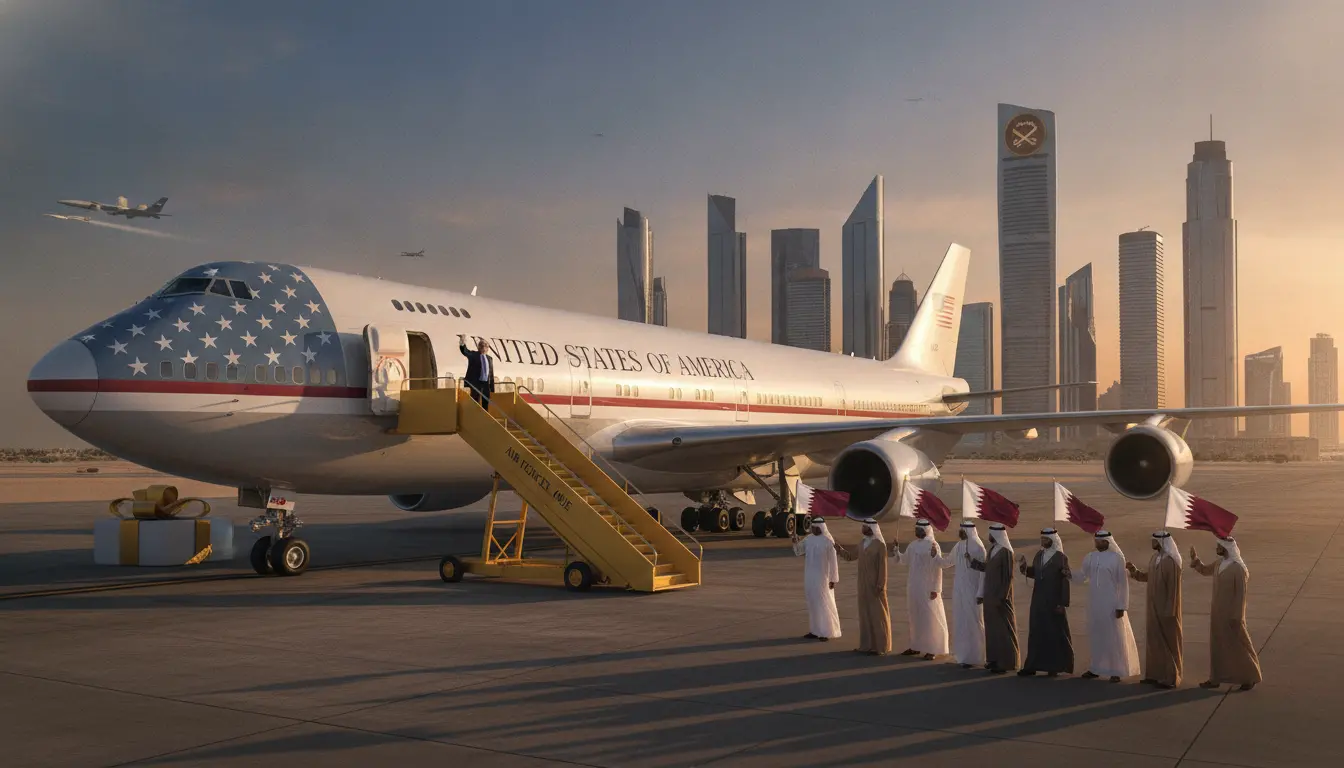
Trump visits new Air Force One, a luxury gift from Qatar that will soon fly him
Appeals Court Considers Reinstating FTC's Landmark Antitrust Suit Against Meta
Federal Appeals Court Upholds Trump Administration's Fast-Track Deportation Authority

Tech Giants Grapple with EU AI Act's 2026 Transparency Deadline, Raising Service Suspension Fears
Supreme Court Upholds Stricter Asylum Rules, Empowering Executive Branch on Border Policy

Lionel Messi's International Retirement Fuels Speculation Over Future Argentina Return
US Department of Justice Seeks Google Search Breakup Following Antitrust Ruling