

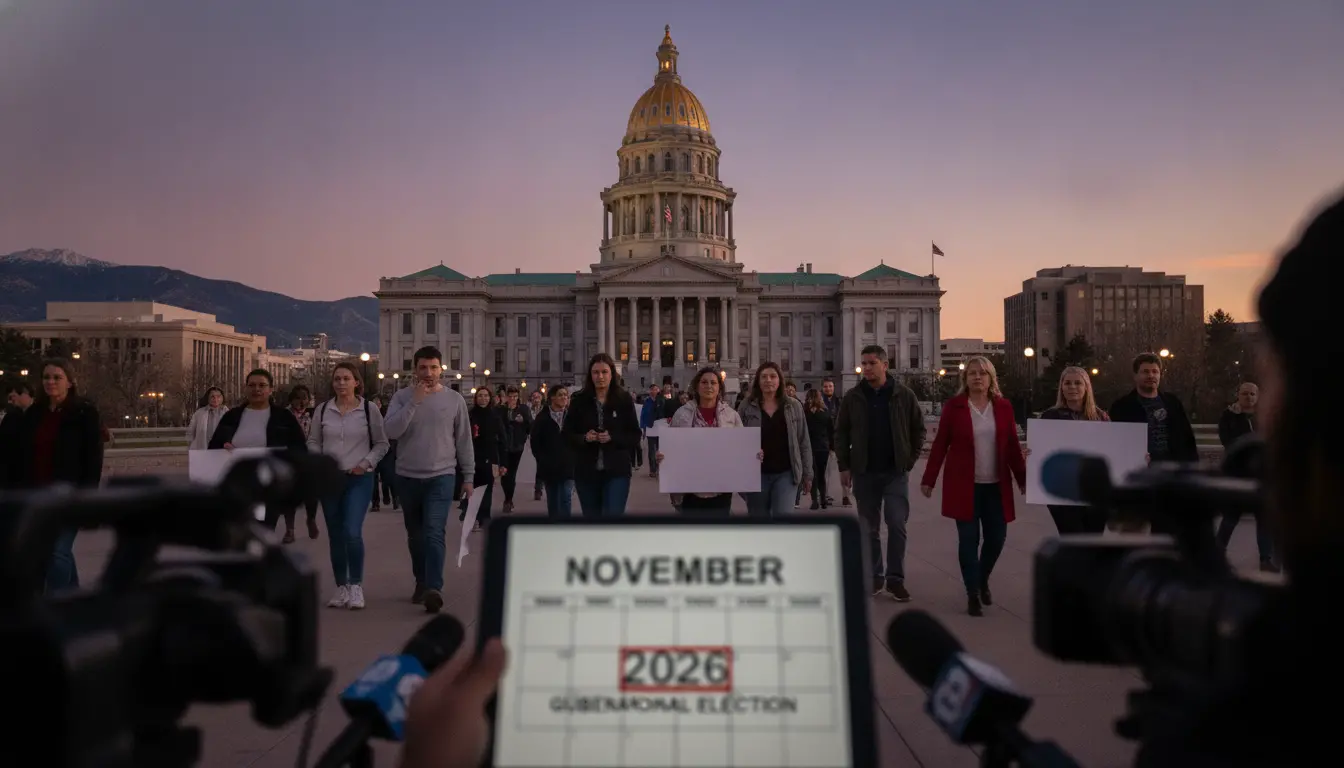
Colorado Prepares for Open Gubernatorial Race in 2026 as Polis Term Nears End
Colorado is heading into a significant political transition with its 2026 gubernatorial election, poised to be an open race as incumbent Governor Jared Polis, a Democrat, reaches his constitutionally mandated term limit. This impending contest sets the stage for a wide-open field, inviting a diverse array of candidates from both major parties to vie for the state's highest office. The absence of an incumbent fundamentally reshapes the dynamics, transforming what might otherwise be a referendum on the current administration into a direct competition among new hopefuls, each seeking to define the state's future trajectory. With a primary election scheduled for June 30, 2026, the pre-election period will be marked by intense jockeying for position and party nominations.
Governor Polis, first elected in 2018 and re-elected in 2022, has presided over a period of significant legislative activity, particularly in areas like healthcare reform, renewable energy initiatives, and expanding access to early childhood education. His tenure has largely aligned with Colorado's recent lean towards the Democratic Party, which has seen unified control of the state legislature and the governor's mansion. Once considered a quintessential swing state, Colorado has trended reliably blue in presidential and many statewide races over the last decade. However, the state retains a blend of urban, suburban, and rural populations with distinct political priorities, suggesting that while the Democratic Party holds a structural advantage, no election outcome is guaranteed, particularly in an open contest where candidate appeal and specific policy platforms can play an outsized role.
On the Democratic side, the departure of Polis opens up a coveted position, likely attracting several high-profile contenders. Potential candidates could emerge from the ranks of current statewide officeholders, such as the Lieutenant Governor, Attorney General, or Secretary of State, all of whom would possess built-in name recognition and campaign infrastructure. State legislators with strong fundraising capabilities and established progressive credentials might also consider a run, aiming to capitalize on the party's prevailing influence. The primary challenge for Democrats will be to coalesce around a candidate who can energize the party's base while also appealing to crucial moderate and unaffiliated voters, ensuring continuity with the state's recent policy direction while offering fresh perspectives.
For Republicans, the 2026 election represents a crucial opportunity to reclaim a prominent statewide office and disrupt Democratic dominance. The party faces the task of identifying a candidate capable of broadening its appeal beyond its traditional base, particularly in the rapidly growing suburban corridors around Denver and Colorado Springs. Recent Republican gubernatorial candidates have struggled to connect with these pivotal demographic groups, often running on platforms that proved too conservative for the state's evolving electorate. A successful GOP strategy would likely involve nominating a candidate who can articulate a vision for fiscal responsibility, public safety, and educational choice that resonates with a wider segment of voters, potentially emphasizing issues that transcend partisan divides. The primary process will be vital in determining if the party can put forward a nominee who can credibly challenge Democratic frontrunners.
The election will undoubtedly be fought over a range of critical issues impacting Coloradans. The cost of living, particularly housing affordability, remains a top concern across the state. Healthcare access and costs, water management in an era of persistent drought, education funding, and public safety are also expected to dominate campaign debates. Energy policy, balancing environmental protection with economic development, will also feature prominently. Furthermore, the national political climate in 2026, coming two years after a presidential election, will inevitably cast a shadow over the state contest. Midterm fatigue, shifting national sentiments, and the performance of the party controlling the White House could all influence voter turnout and preferences, adding another layer of complexity to an already high-stakes race.
As the November 2026 general election draws closer, the campaign will likely intensify, with both parties investing significant resources into messaging, grassroots organizing, and voter engagement. Early fundraising and endorsements will be key indicators of candidate strength leading up to the June 2026 primaries. The next two years will see potential candidates engaging in extensive travel across the state, meeting with local leaders, and testing their messages with diverse groups of voters. The 2026 Colorado Gubernatorial election is not merely about selecting a new chief executive; it is a battle for the state's political direction, with profound implications for its economic, social, and environmental future, marking a pivotal moment in Colorado's contemporary political narrative.
Stay Informed. Act Smarter.
Get weekly highlights, major headlines, and expert insights — then put your knowledge to work in our live prediction markets.
Related News

Melat Kiros Sets Sights on 2026 Re-election Bid After Landmark Primary Victory in Colorado's 1st Congressional District

Strategic Battle Lines Drawn for Control of U.S. Senate Ahead of 2026 Elections
Control of US Senate Hangs in Balance as 2026 Midterm Elections Loom
Democrats Face Uphill Battle to Maintain Senate Majority in 2026 Midterm Elections
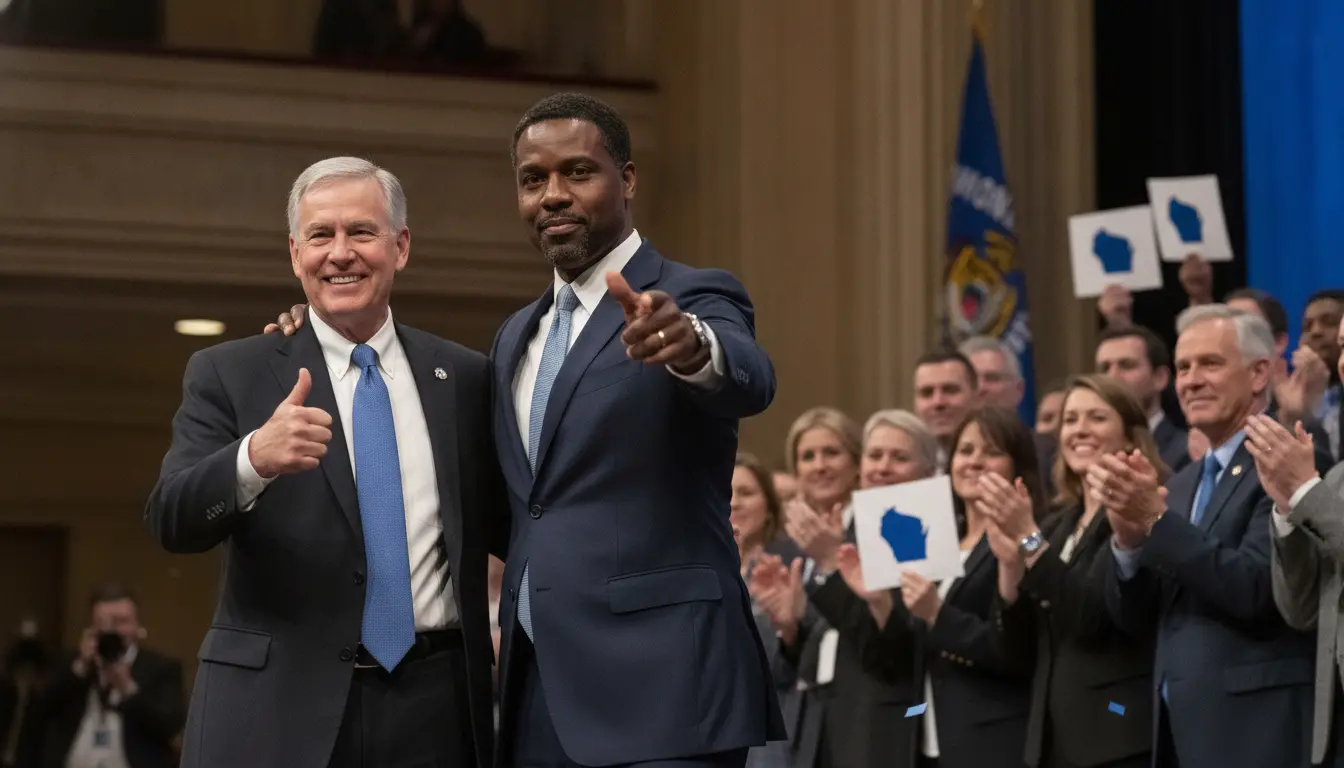
Wisconsin's 2026 Gubernatorial Race Heats Up as David Crowley Enters Field with Evers' Endorsement
Mallory McMorrow's Endorsement Poised to Shape Michigan's 2026 Democratic Senate Primary
Quebec Liberal Party Prepares Major Challenge to CAQ in 2026 Provincial Election

Donald Trump's Endorsement Power Faces Pivotal Test in 2026 Midterm Elections

South Carolina Governor to Appoint Interim Senator Following Lindsey Graham's Death

South Carolina Republicans Gear Up for Special Primary to Fill Vacant Senate Seat