

- News
- Politics
- Colombia at a Crossroads as Voters Decide Between Leftist Former Guerrilla and Populist Magnate for President
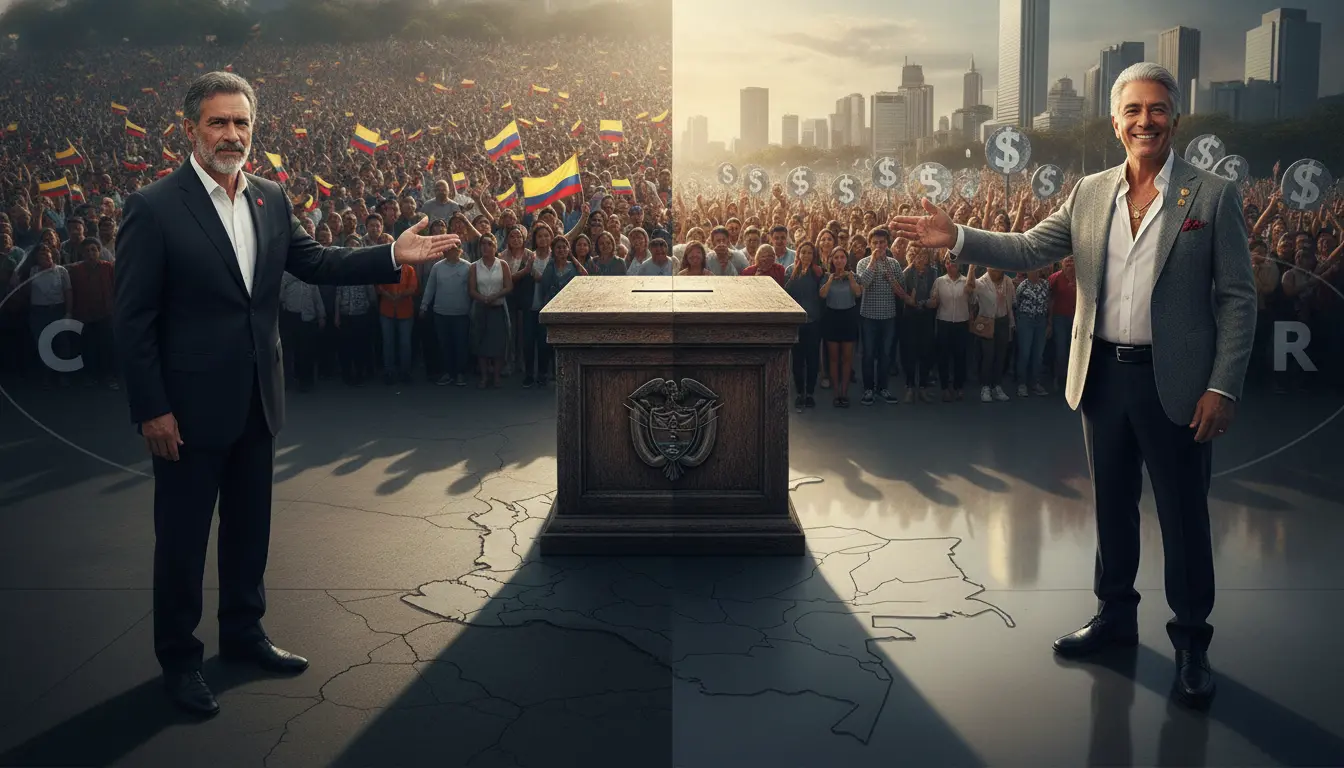
Colombia at a Crossroads as Voters Decide Between Leftist Former Guerrilla and Populist Magnate for President
BOGOTÁ, Colombia – Millions of Colombians are heading to the polls today in a momentous presidential runoff that promises to radically reshape the future of the nation, a key U.S. ally in Latin America. The election pits two anti-establishment figures against each other in a deeply polarized contest: Gustavo Petro, a former M-19 guerrilla fighter and senator who could become the country’s first-ever leftist president, and Rodolfo Hernández, an eccentric, TikTok-savvy construction tycoon who has run a fiery campaign against corruption. The outcome is too close to call, leaving the nation of 50 million on edge as it faces a choice between two vastly different, and untested, paths forward.
The election represents a seismic shift in Colombian politics, traditionally dominated by a conservative establishment. Widespread discontent over deepening inequality, rising inflation, and persistent violence has fueled a powerful anti-incumbent wave, shattering the traditional party system and propelling two outsiders to the final round. Both candidates have tapped into this public anger, though they offer starkly different remedies. The winner will inherit a nation grappling with the economic scars of the pandemic, a fragile peace process with FARC rebels, and escalating security challenges from drug trafficking organizations.
Gustavo Petro, a former mayor of Bogotá, has built a formidable political movement by promising profound social and economic transformation. His platform calls for halting new oil exploration to wean the economy off fossil fuels, raising taxes on the wealthy to fund a massive expansion of social programs for the poor, and fully implementing the contentious 2016 peace accord. To his supporters, many of whom are young, urban, and from marginalized communities, Petro represents a long-overdue break with a past of inequality and exclusion. His critics, however, including much of the business elite and military establishment, fear his proposals will trigger capital flight, destroy the economy, and push Colombia down a path similar to that of crisis-stricken Venezuela.
His opponent, Rodolfo Hernández, emerged as a political phenomenon in the campaign's final weeks. The 77-year-old former mayor of Bucaramanga has positioned himself as the ultimate outsider, a plain-spoken businessman committed to a single goal: eradicating corruption. Shunning traditional rallies and debates, Hernández waged a guerrilla campaign on social media, using quirky videos to broadcast his slogan of “don’t rob, don’t lie, don’t betray.” His policy proposals are less detailed than Petro's, centering on a dramatic downsizing of government and a war on wasteful spending. While his anti-corruption message resonates broadly, his unpredictable nature, gaffe-prone statements, and admiration for controversial figures have led opponents to label him a dangerous and authoritarian demagogue.
The first round of voting in May saw Petro finish first with over 40% of the vote, while Hernández unexpectedly surged into second place, knocking out the mainstream conservative candidate. This set the stage for a frantic three-week runoff campaign where both men scrambled to attract voters from the political center and right who were left without a candidate. The race has been bitter, marked by accusations, disinformation, and fears of what either victory might mean. Petro has worked to soften his radical image to appeal to moderate voters, while Hernández has sought to consolidate the powerful anti-Petro vote, framing the election as a choice between change and a leap into the abyss.
Regardless of who wins, the next president will face immense challenges. They will lead a deeply divided country and will not command a majority in a fragmented Congress, making it difficult to pass ambitious reforms. The military has expressed private concerns about a potential Petro presidency, while a victory for Hernández would usher in a period of profound uncertainty given his thin policy agenda and volatile temperament. As polls close this afternoon, Colombians and the wider region await a result that will not only define the country’s domestic trajectory but also signal a significant realignment in Latin American geopolitics.
Stay Informed. Act Smarter.
Get weekly highlights, major headlines, and expert insights — then put your knowledge to work in our live prediction markets.
Related News
Polarization Deepens in Brazil as Lula and Flavio Bolsonaro Emerge as Early Frontrunners for 2026 Race
Lula's Political Future Dominates Discussion Ahead of Brazil's 2026 Presidential Election
Keiko Fujimori Assumes Peruvian Presidency Amidst Deep-Seated Political Instability
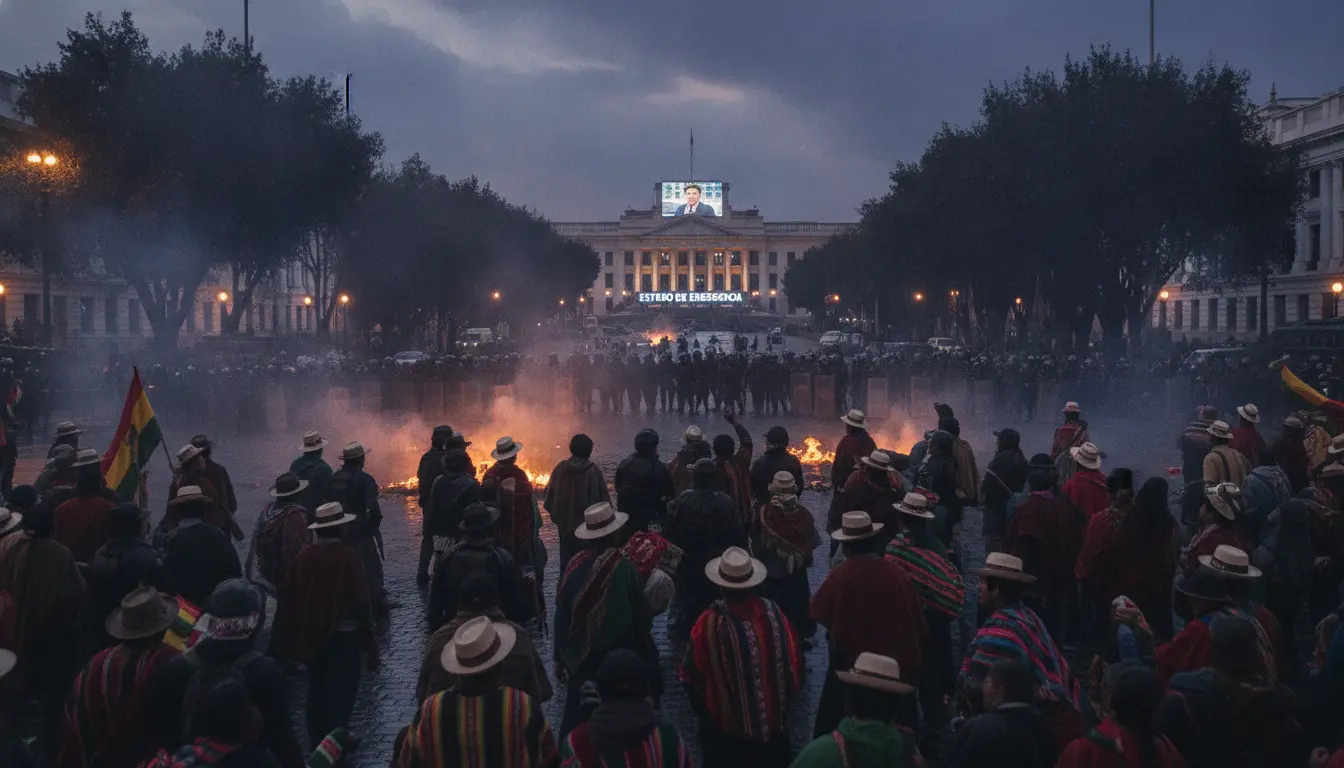
Bolivia's Luis Arce Faces Mounting Pressure Amid Anti-Government Protests, State of Emergency

US Explores Major Oil Trade Pact with Venezuela Amid Sanctions Relief Talks

U.S. and Venezuela Explore Path to Renewed Diplomatic Ties Amid Easing Tensions

Labour's Leadership Contest Set to Anoint UK's Next Prime Minister
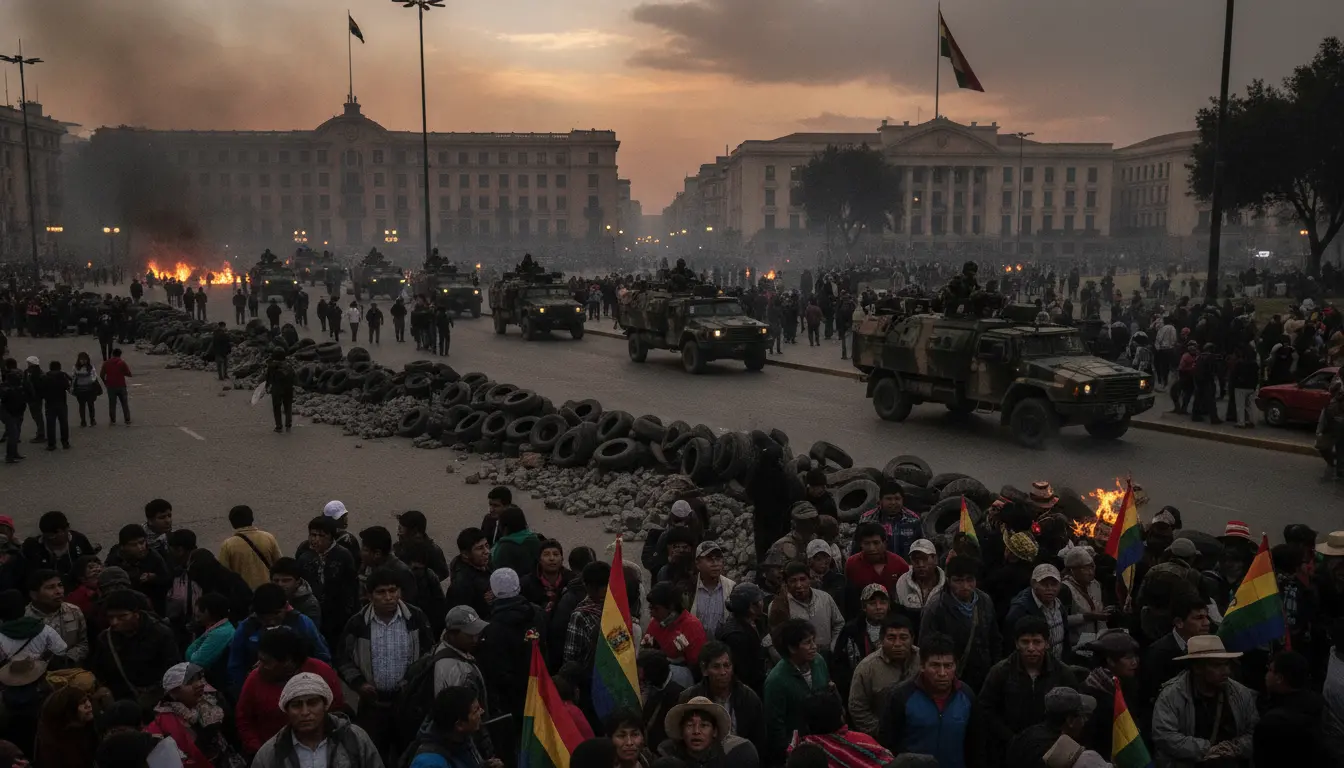
Bolivia Declares National State of Emergency Amid Deepening Political and Economic Crisis
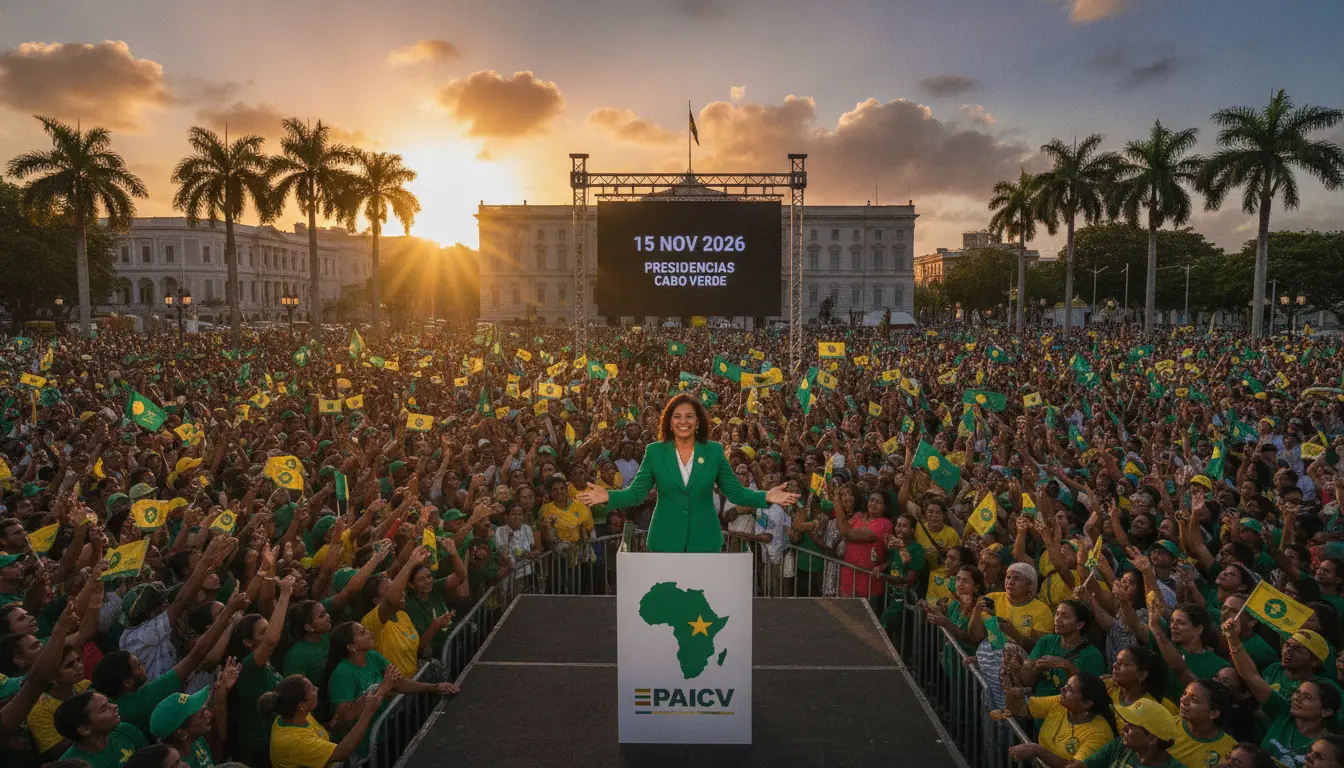
PAICV Seeks to Capture Cabo Verde Presidency in Highly Anticipated 2026 Election
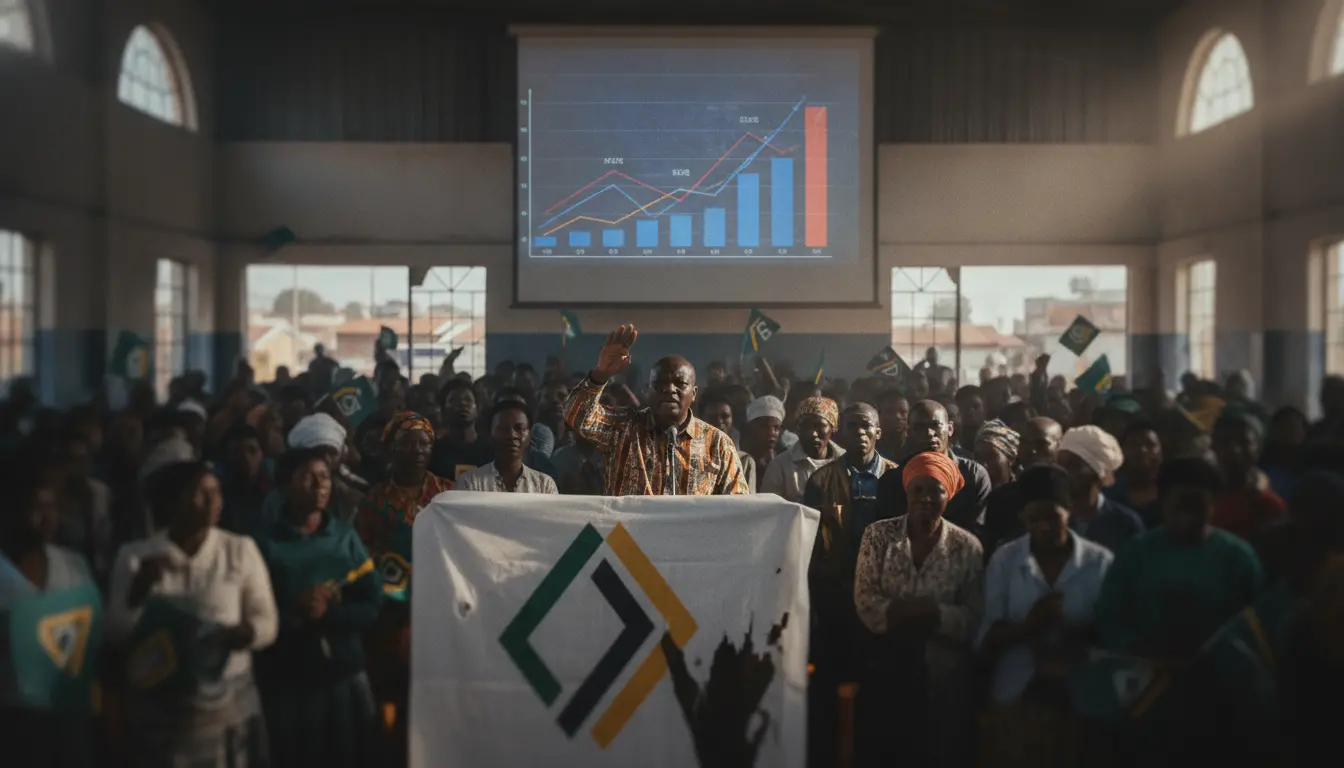
South Africa's 2026 Local Elections: ANC Faces Defining Challenge Amid Shifting Political Landscape