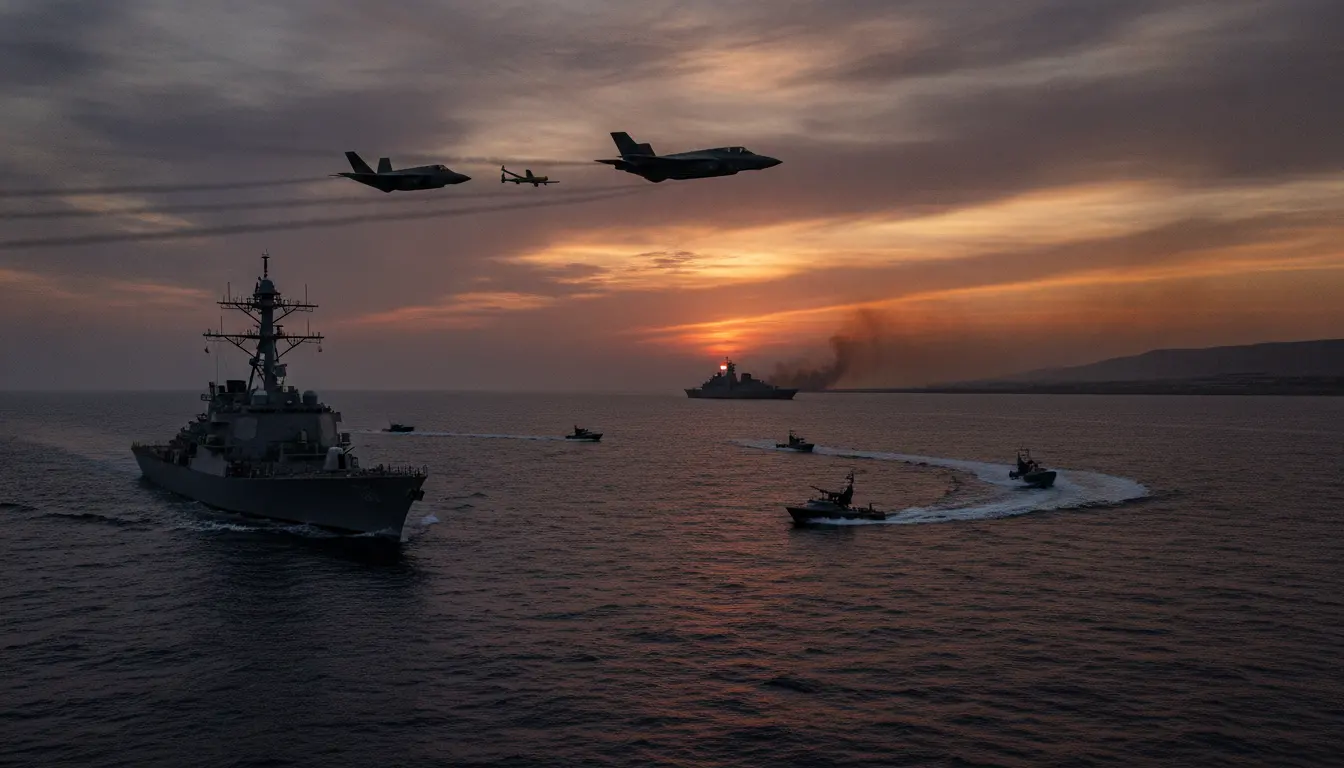
Analysts Warn of Growing Risk for Direct Iran-US Military Engagements
Tensions in the Middle East have reached a critical juncture, prompting analysts to warn of a significantly heightened risk of direct military confrontation between Iranian forces and United States military assets. A confluence of factors, including repeated US responses to attacks on its personnel in the region and Iran's provocative rhetoric concerning strategic waterways, has observers concerned about a potential miscalculation leading to open conflict that could reshape regional dynamics and impact global stability.
The volatile backdrop stems from decades of animosity and proxy warfare, which have been severely exacerbated by recent geopolitical shifts. Washington maintains a robust military presence across the Middle East, including naval assets in the Persian Gulf and troops stationed in Iraq and Syria, primarily focused on counter-terrorism operations and deterring regional aggression. Tehran, for its part, views this presence as a direct threat to its sovereignty and regional aspirations, frequently using its Islamic Revolutionary Guard Corps (IRGC) and allied non-state actors to project power and challenge US influence. These long-standing tensions have periodically flared, but the current environment, marked by sustained pressure campaigns and a regional conflict ecosystem, suggests a potentially lower threshold for direct engagement.
Recent weeks and months have witnessed a perilous tit-for-tat dynamic. US forces have conducted a series of targeted strikes against Iran-backed militia groups in Iraq and Syria, actions consistently framed as defensive responses to attacks on American troops and interests. While these strikes typically target proxies, Iran views them as direct assaults on its regional security architecture and often issues veiled threats of retaliation. This cycle of action and reaction has created a dangerous feedback loop, pushing both sides closer to a scenario where direct confrontation, rather than proxy engagement, becomes a tangible possibility. A critical element of Iran’s strategy has been its repeated suggestions of disrupting maritime traffic through the Strait of Hormuz, a narrow choke point through which a significant portion of the world's oil supply transits daily, raising the stakes dramatically for international commerce and energy security.
The strategic importance of the Strait of Hormuz cannot be overstated. Any Iranian attempt to blockade or severely impede passage through this vital maritime artery would be seen as an act of severe aggression by global powers, particularly the United States and its allies, who depend on its uninterrupted flow for economic stability. Iran possesses considerable capabilities to disrupt shipping, including fast attack craft, naval mines, and anti-ship missile batteries positioned along its coastline. Such an action would almost certainly trigger a swift and robust military response from the US Navy's Fifth Fleet, based in Bahrain, and its coalition partners, escalating a regional crisis into a potentially global one.
Beyond the Strait, the risk of direct Iranian attacks on US military bases or vessels elsewhere in the region, perhaps through ballistic missiles, drones, or special forces operations, remains a significant concern. Iran has invested heavily in asymmetric warfare capabilities, which it views as crucial for countering the conventional military superiority of the United States. Its sophisticated drone program, extensive missile arsenal, and trained naval and special operations units could be leveraged for precision strikes designed to inflict damage and send a clear message, potentially without immediately sparking an all-out war. However, the precise calibration of such an attack, and the ability to prevent rapid escalation, would be incredibly difficult under conditions of heightened tension.
For both Washington and Tehran, the stakes are immense. For the United States, an attack on its military personnel or assets would demand a forceful response to uphold deterrence, protect its forces, and reassure allies in the region. For Iran, such an action could be framed domestically as a necessary defense against foreign aggression, but it risks drawing the full force of US military might, jeopardizing its economy, and potentially destabilizing the regime. The international community watches with bated breath, recognizing that any direct military clash between these two powerful adversaries would reverberate far beyond the Middle East, disrupting global markets, intensifying humanitarian crises, and undermining prospects for long-term peace and stability.
Stay Informed. Act Smarter.
Get weekly highlights, major headlines, and expert insights — then put your knowledge to work in our live prediction markets.
Related News
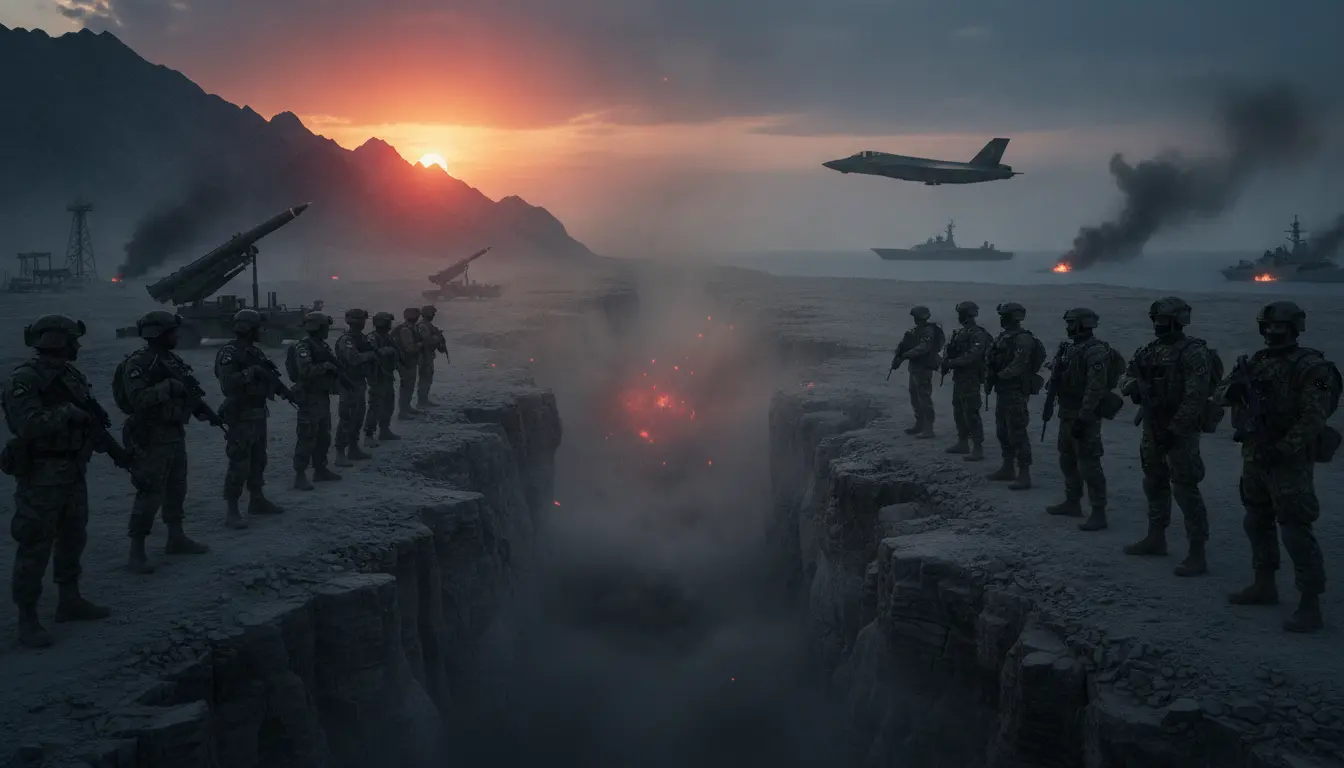
Middle East Tensions Soar Amid Warnings of Direct Iran-US Military Confrontation
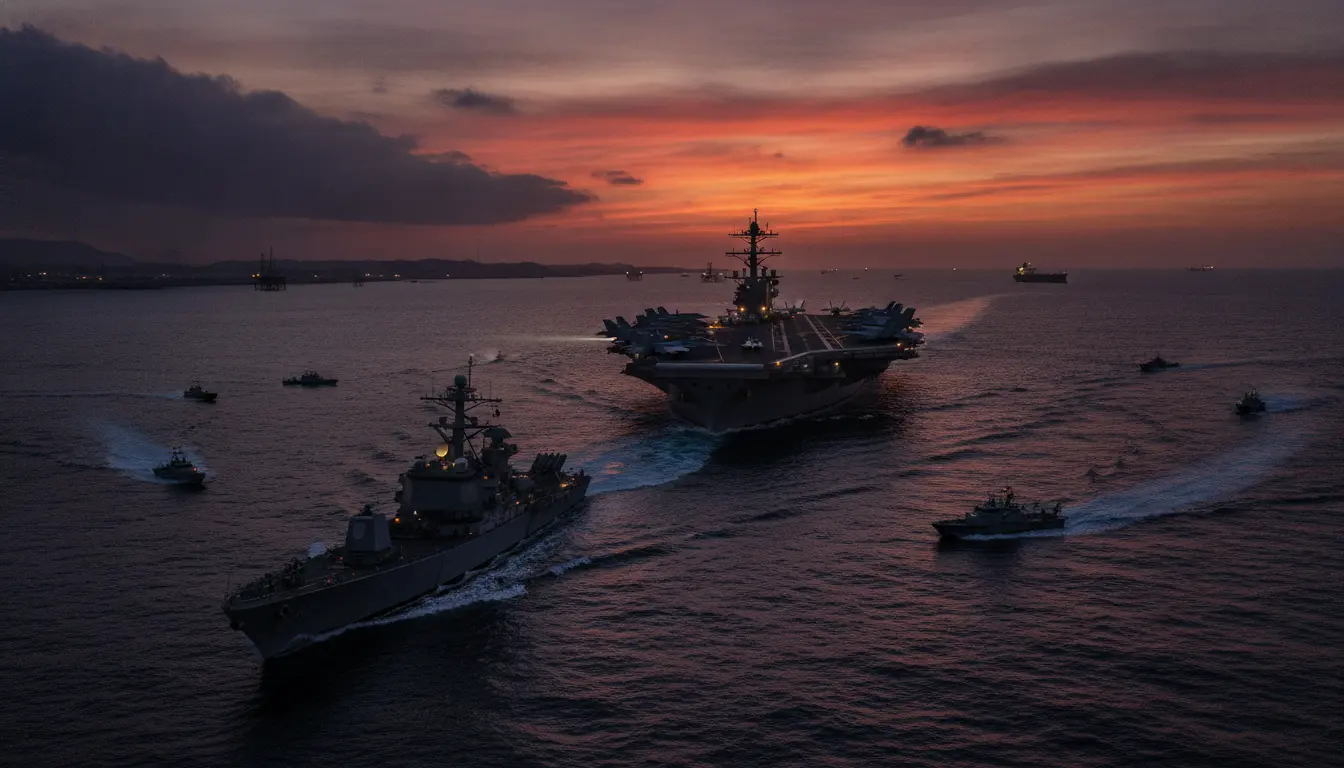
U.S. Raises Threat Level as Iranian Actions Escalate Tensions in Strait of Hormuz
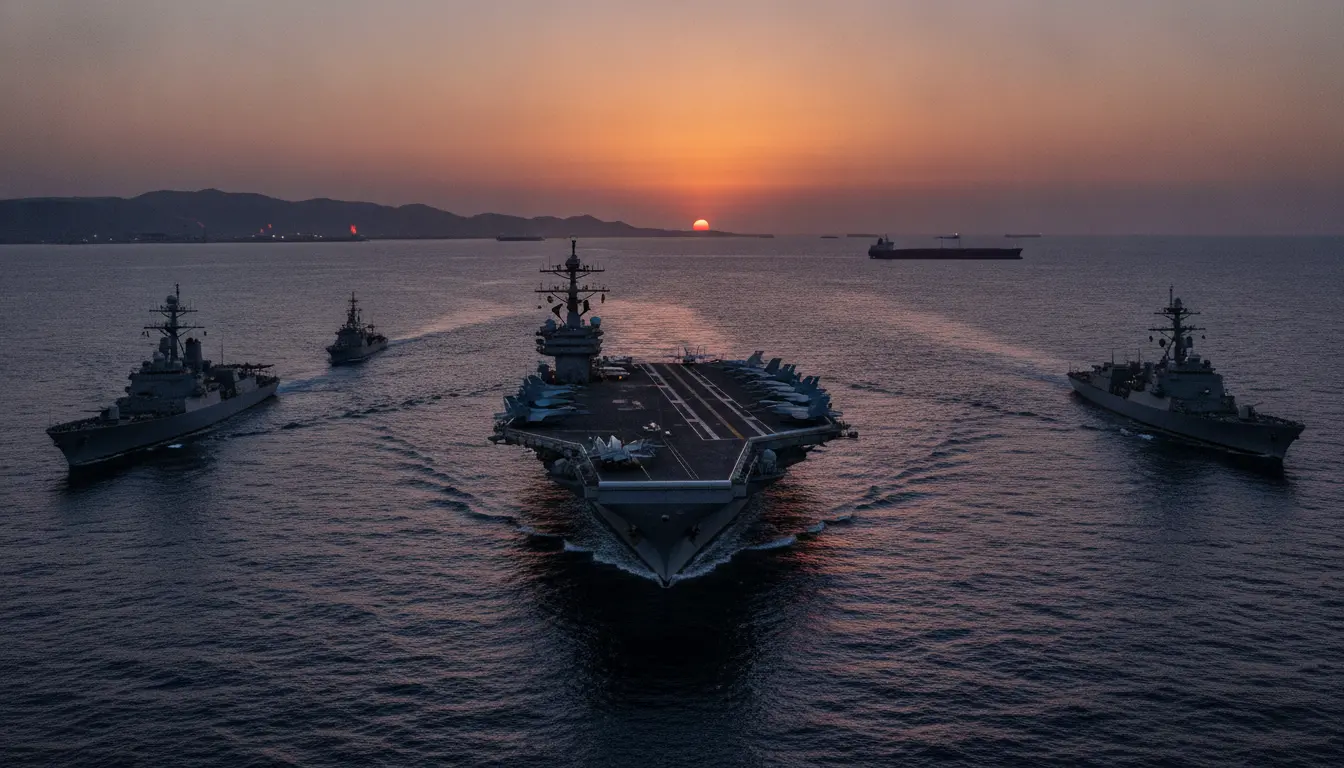
US Bolsters Presence in Strait of Hormuz Amid Escalating Tensions with Iran

Anticipation Builds for Highly Competitive Best Drama Series Race at 78th Primetime Emmy Awards in 2026

Anticipation Builds for 79th Primetime Emmy Awards' Outstanding Drama Series Showdown