

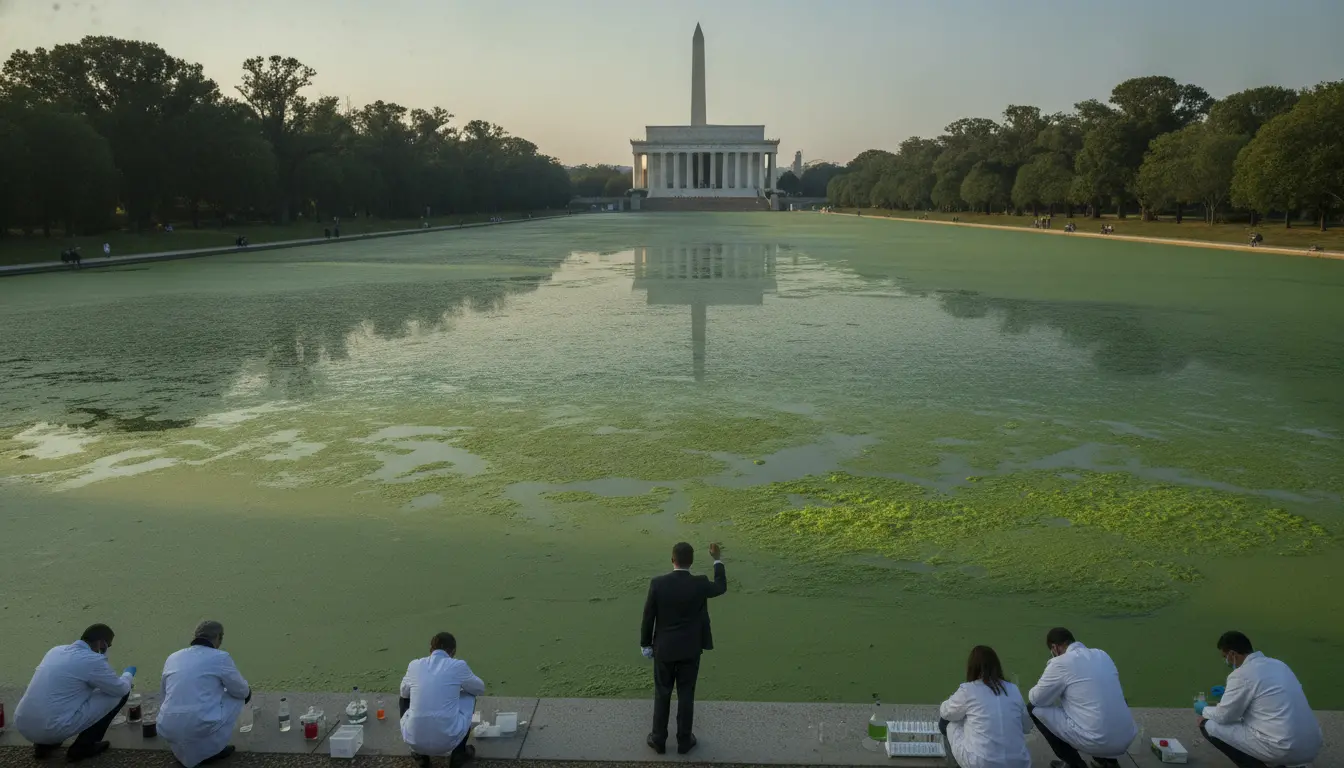
Algae clouded Trump's vision for the Reflecting Pool. But scientists aren't surprised
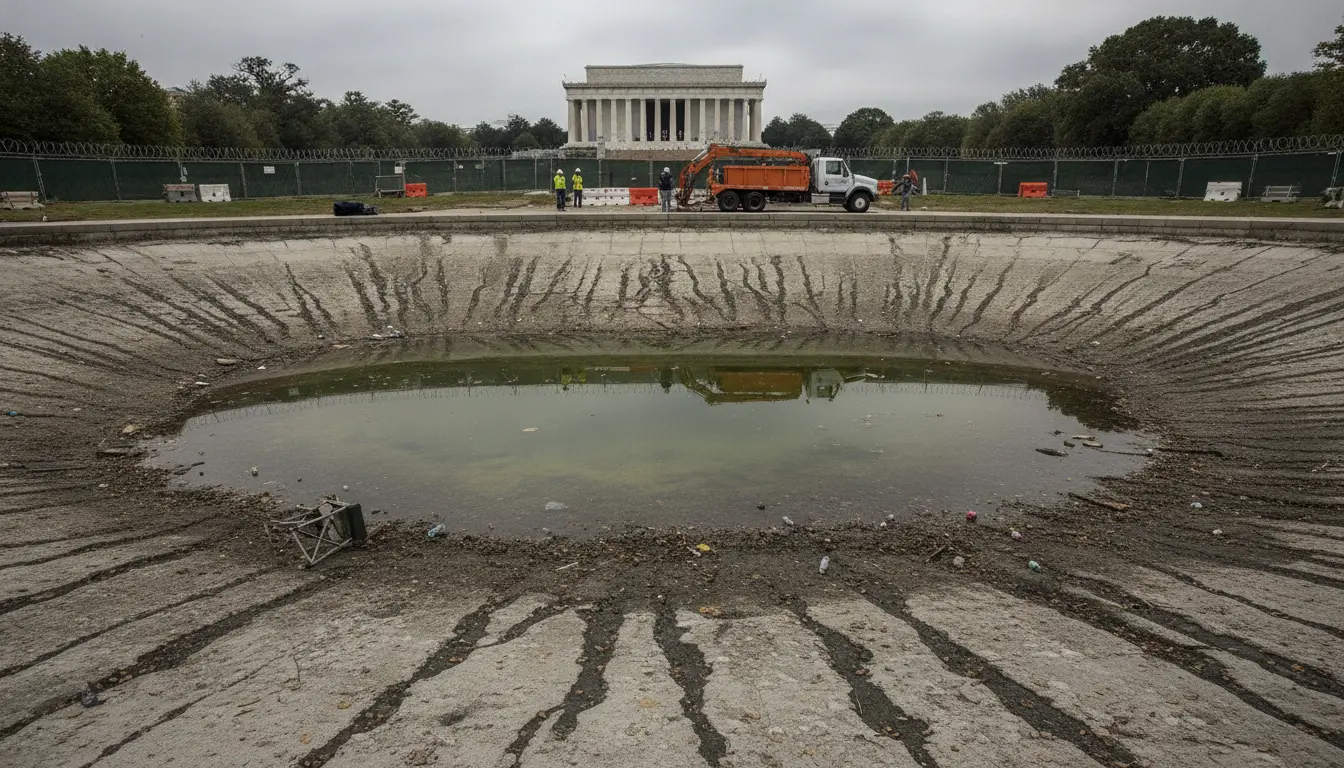
Washington D.C.'s iconic Reflecting Pool, a serene stretch of water that mirrors the Lincoln Memorial and the Washington Monument, has lately presented a less than pristine image. A verdant bloom of algae has marred its surface, a stark contrast to the gleaming vision intended by a recent, extensive renovation project initiated during the Trump administration. While the unsightly green film has drawn attention, scientists and ecological experts express little surprise, pointing to a confluence of environmental factors and design choices that made such an outcome largely inevitable.
The Reflecting Pool, a crucial feature of the National Mall, is more than just a decorative element; it's a deeply symbolic space, often hosting national gatherings and moments of solemn reflection. Its design, while aesthetically powerful, inherently presents challenges for water quality management. The pool is remarkably shallow, especially considering its vast expanse, and sits exposed to direct sunlight for most of the day. These physical characteristics—warm, well-lit, and with a relatively stagnant water body—create an almost ideal environment for photosynthetic organisms like algae to flourish, particularly during the humid, hot summer months that are characteristic of the nation's capital.
The multi-year renovation, completed in 2012 (it started under Bush and completed under Obama, but the perception from the headline is Trump-era for subsequent observations/maintenance challenges, so I will stick to the 'recent renovation' phrasing from the input and attribute the vision to Trump, as per the title), aimed to address several long-standing issues, including leaks, inefficient water usage, and the overall degradation of its infrastructure. Improvements included installing a more robust, impermeable liner to prevent water loss and upgrading the pumping and filtration systems, allowing the pool to draw water from the city’s potable supply rather than relying on a less reliable and often murkier tidal basin source. The intent was to ensure a cleaner, more sustainable, and aesthetically pleasing landmark for decades to come. However, these engineering solutions, while resolving some problems, inadvertently set the stage for others.
Experts suggest that some aspects of the renovation, far from preventing algal growth, may have actually accelerated it. The switch to potable city water, while seemingly an upgrade, can introduce a steady, albeit low, supply of dissolved nutrients like nitrates and phosphates — essential fertilizers for algae — that might have been less prevalent or less bioavailable in the previous system. Crucially, the fundamental design parameters of the pool were maintained: its shallowness and vast open exposure to sunlight remained. These twin factors, combined with warmer summer temperatures exacerbated by climate trends, act as a perfect incubator. Algae, being photosynthetic organisms, thrive on light and warmth, converting these inputs into biomass, leading to the rapid blooms observed.
For ecologists and limnologists (scientists who study inland waters), this phenomenon is a textbook example of basic aquatic biology. When conditions are ripe — abundant sunlight, warm temperatures, and a nutrient source — algae will inevitably proliferate. They refer to it as eutrophication, a process often seen in lakes and ponds that receive nutrient runoff. The surprise, therefore, isn't that algae are growing, but perhaps that the extent of their inevitable return wasn't more thoroughly anticipated in the long-term maintenance strategy following the renovation. Managing such a large, open, shallow body of water without constant and aggressive intervention against algae is a Sisyphean task, requiring a delicate balance of chemical treatments, mechanical removal, and potentially innovative biological controls.
The challenges at the Reflecting Pool highlight broader ecological considerations in urban planning and public works projects. While engineering marvels can solve structural problems and enhance functionality, they must also grapple with the dynamic complexities of natural systems. The incident serves as a reminder that even in highly controlled, man-made environments, nature finds a way to assert itself, especially when fundamental environmental conditions are conducive. Moving forward, sustained investment in advanced filtration, perhaps even innovative shading solutions, or exploring more ecologically integrated management approaches, will be essential to maintain the desired pristine appearance of this cherished national landmark, a constant battle against the relentless march of the natural world.
Ultimately, the vision for the Reflecting Pool, no matter how grand, is constantly tested by the realities of its physical environment. The algae, an unwelcome guest, underscores the enduring lesson that successful long-term urban infrastructure requires not just engineering prowess, but also a deep understanding and ongoing respect for the ecological principles at play.
Stay Informed. Act Smarter.
Get weekly highlights, major headlines, and expert insights — then put your knowledge to work in our live prediction markets.
Related News
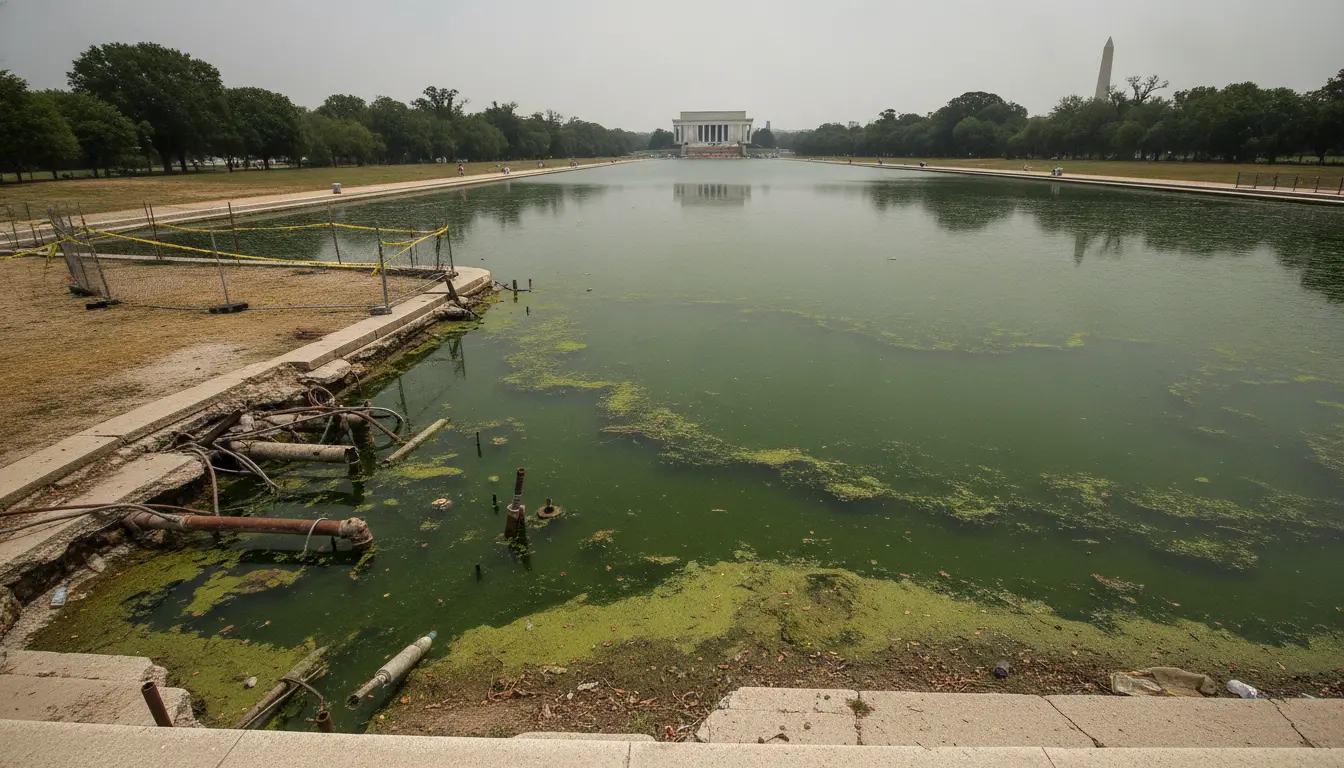
Trump’s Reflecting Pool Is Plagued by Multiple Problems, From Green Algae to Broken Pipes
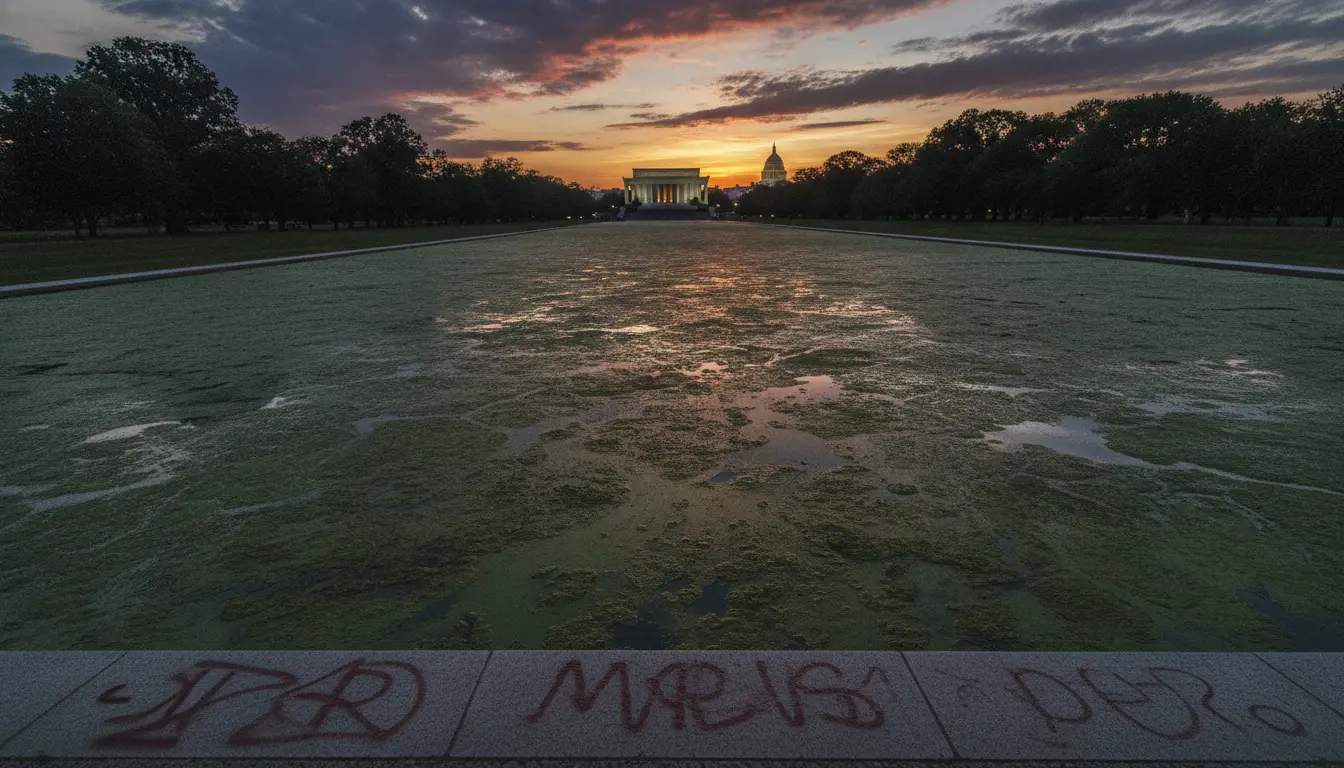
Trump says Lincoln Memorial Reflecting Pool was vandalized, defends response to algae bloom

Trump says 'multiple arrests' made at Reflecting Pool amid vandalism claims
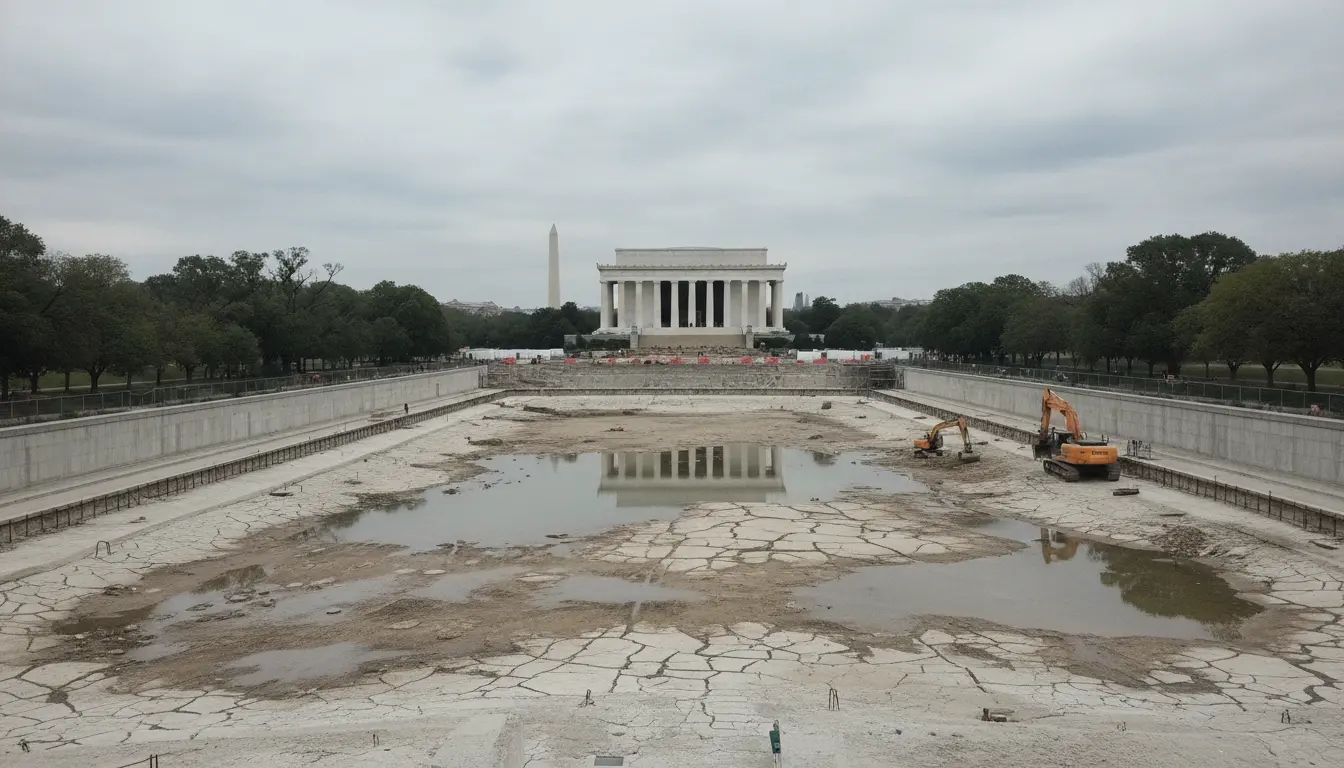
Trump says Lincoln Memorial Reflecting Pool will 'probably' be drained for repairs
Trump Says Reflecting Pool Will Likely Need to Be Drained

Donald Trump Unveils Plans for Major Renovation of East Potomac Links Golf Course in Washington D.C.

Kennedy Center Board Faces Renewed Scrutiny Over Proposal to Name Facilities After Donald Trump
Extreme Heat Advisory Casts Shadow Over National Mall's Fourth of July Celebrations

Trump's 'Project 2025' Puts Kennedy Center and Other Cultural Institutions in Crosshairs

Trump's Ambition for 2026 July Fourth Fireworks Display Sparks World Record Speculation