Financepersonal finance
The new flex: Fatherhood
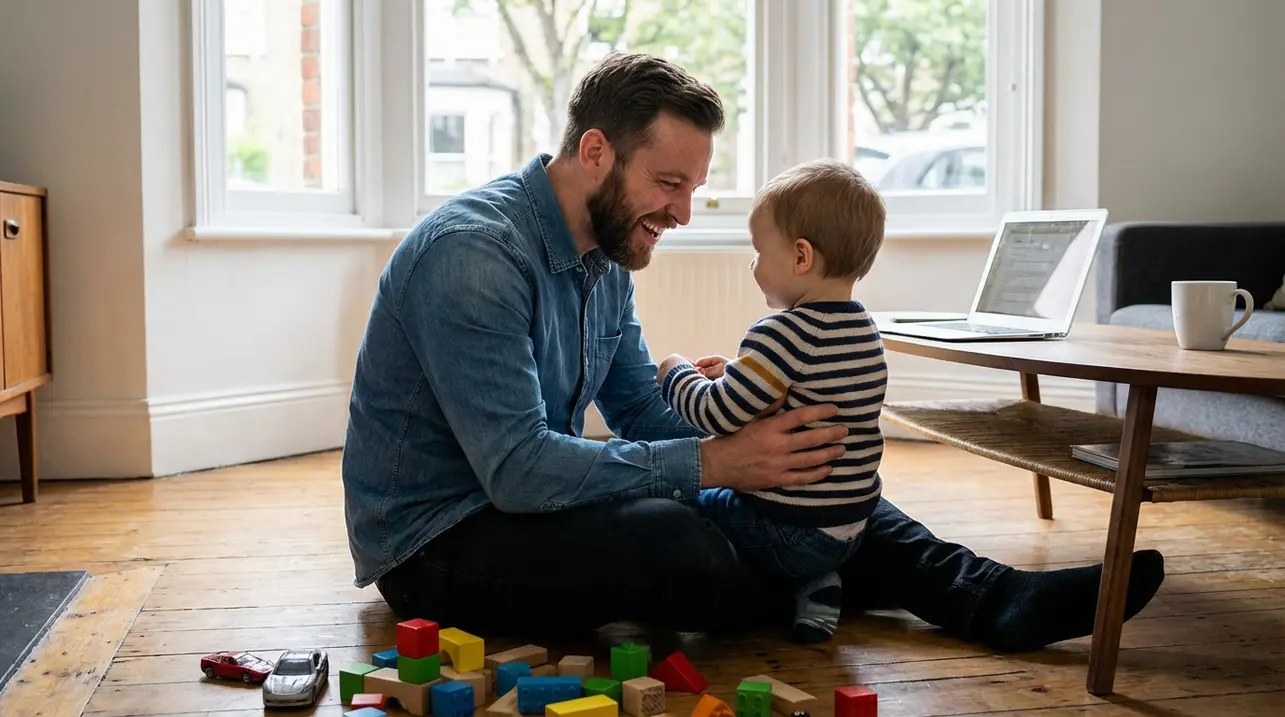
Fatherhood used to be invisible in the conversation about entrepreneurship, a quiet footnote in the loud narrative of the grind. The archetype was always the same: the founder celebrated for sacrifice, for pulling all-nighters and taming fortune through sheer, relentless effort.The world championed that hustle, holding it up as the only path to success. But that model is now deeply, profoundly outdated.The successful founder today is not the one sleeping under their desk; in fact, that’s not dedication, it’s a red flag. If your company requires your constant, heroic presence to function, you haven’t built a business—you’ve built a beautifully decorated cage for yourself.The real metric of elite performance has shifted. It’s no longer about the hours you log, but about the resilience and autonomy of the organization you leave behind when you step away.The best entrepreneurs build systems and cultures that not only survive but thrive in their absence, whether that’s to make pancakes on a Tuesday morning or to watch a child’s baseball game. The new, ultimate flex in the high-stakes world of building something from nothing is to be genuinely out of office and unreachable, knowing the machine hums along without you.This is where fatherhood enters the frame not as a sidebar, but as the ultimate stress test for an entrepreneur’s operational philosophy. It moves beyond the impossible, binary concept of “work-life balance,” which implies a strict separation.Instead, it’s about deep integration. It’s about the discipline to be fully present, sitting on the floor with a toddler, which demands a toolkit of empathy, grace, and patience—the exact same skills required to lead a modern, high-trust team.This perspective forces you to operate from a position of systemic strength rather than perpetual, exhausting effort. The accelerated sense of time that fatherhood imposes—where years pass like a train in the night—is a masterclass in long-term thinking that directly translates to building a company for decades, not just for the next quarter.There are three core disciplines that run in powerful parallel between raising humans and scaling a vision. First is patience and long-term vision.Just as you learn to ignore a child’s immediate tantrum, you must learn to tune out the market’s daily noise and the siren call of instant feedback. The process is about investing, guiding, and trusting a trajectory you’ve set, understanding that real growth is nonlinear and often messy.Second is nurturing autonomy. True leadership, in a family or a firm, isn’t about micromanaging or commanding; it’s about creating an environment where others—your children, your employees—learn to lead themselves.
#entrepreneurship
#fatherhood
#work-life integration
#leadership
#resilience
#featured
#business culture
#time management
Related News


Comments

It's quiet here...Start the conversation by leaving the first comment.
© 2026 Outpoll Service LTD. All rights reserved.