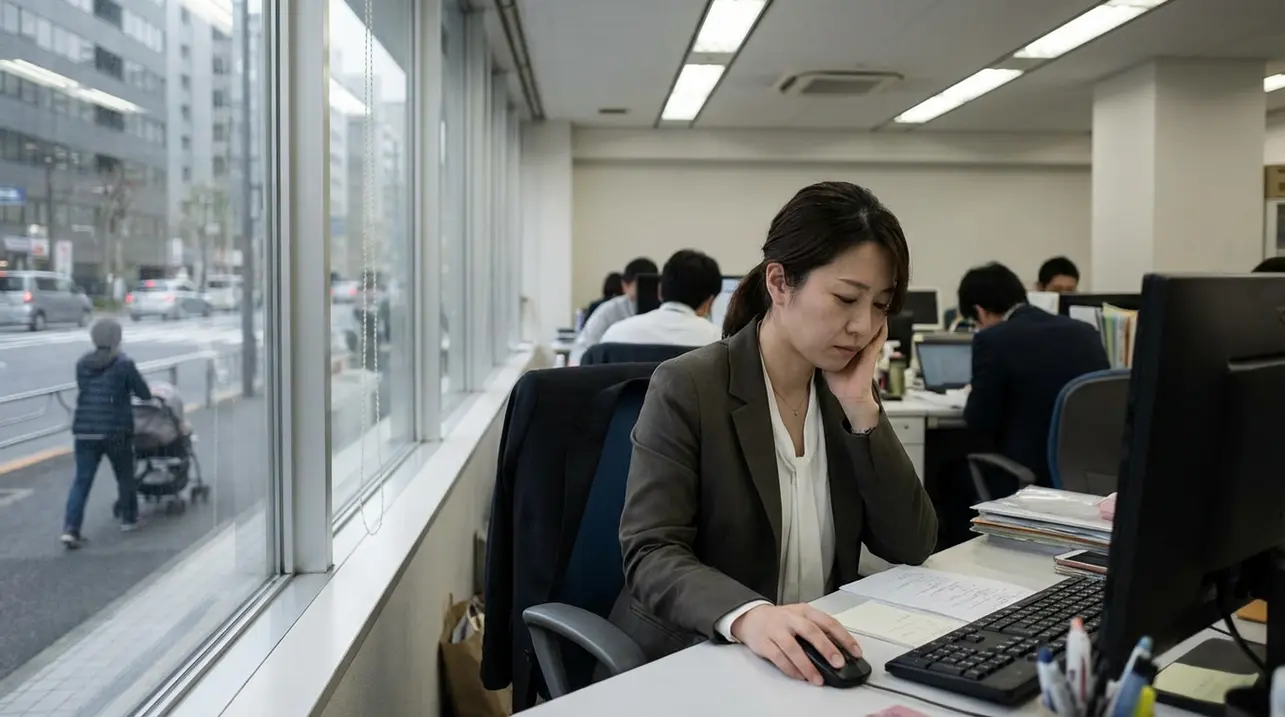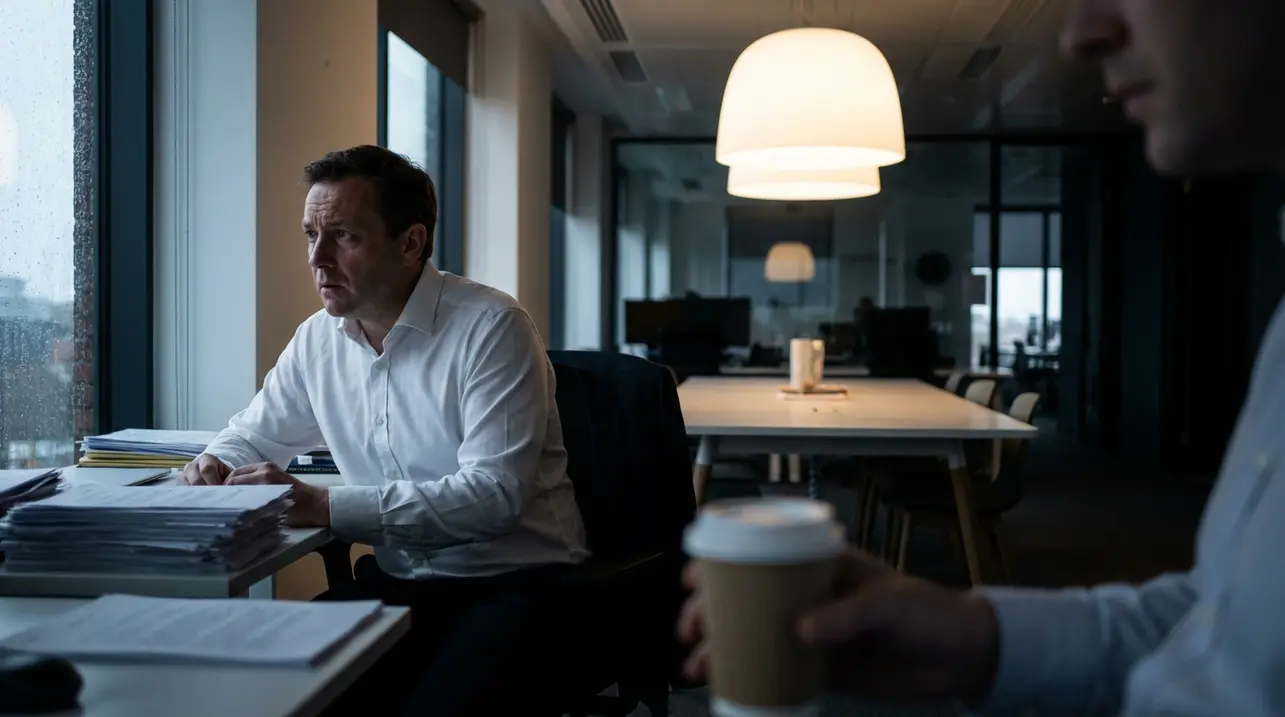
Let's talk about what's really happening in offices today. It's not a wave of laziness sweeping through cubicles; it's a deep, pervasive fear.I've spoken to dozens of professionals over the last few months, from tech to finance, and the story is eerily consistent. The constant drumbeat of layoff headlines, the whispered anxieties about the next earnings call, the high-stakes culture where a single misstep feels like a career-ender—it’s creating a workforce that’s psychologically frozen.People aren't disengaged because they don't care; they're terrified to put their hand up, to suggest a wild idea, or to point out a potential flaw in the plan. This fear stems from a fundamental leadership failure to cultivate psychological safety, a concept researchers have championed for years but few companies genuinely embody.When mistakes are met with punishment rather than curiosity, and communication about the company's future is opaque, employees naturally retreat into a defensive, risk-averse shell. The consequence is a silent erosion of innovation and resilience, exactly when organizations need adaptability and candid feedback the most.To break this cycle requires a conscious managerial shift: from being a scorekeeper to a coach, from punishing failure to distinguishing between a calculated risk and recklessness, and most importantly, creating genuine, retaliation-free channels for people to voice their concerns. Without this human-centric approach, we're not just looking at quiet quitting; we're fostering a culture of quiet desperation that leads to burnout, attrition, and a company utterly unprepared for the volatile challenges ahead.
#workplace culture
#leadership
#employee fear
#productivity
#psychological safety
#management
#burnout
#layoffs
#editorial picks
Stay Informed. Act Smarter.
Get weekly highlights, major headlines, and expert insights — then put your knowledge to work in our live prediction markets.