Othertransport & aviationAirlines and Airports
Why expensive airline “premiums” don’t feel special at all
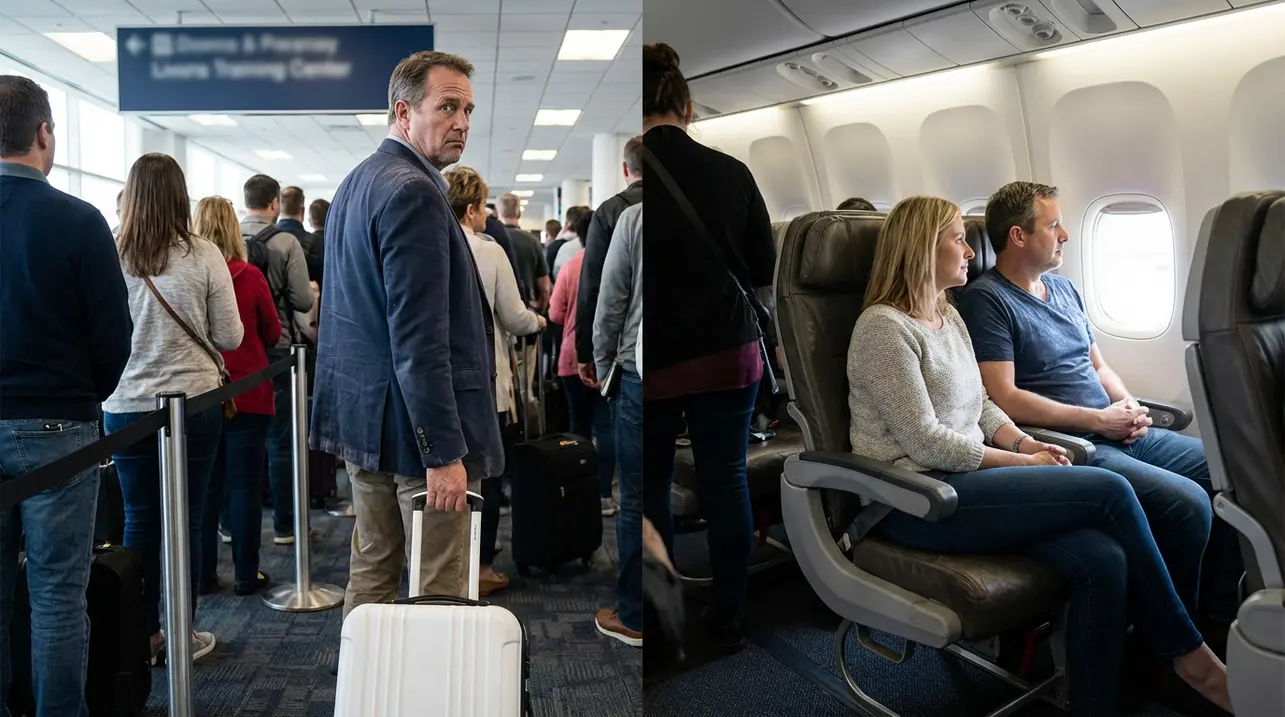
Perhaps it’s human nature to be nosy about what others are buying, but our purchases often reveal deeper truths about what we value. Right now, one thing Americans are clearly willing to pay for is a simple window seat.Delta Air Lines recently announced a $5 billion profit for 2025, with a 7% growth in revenue from what it calls 'premium products'—a category that now includes picking your seat, checking a bag, or getting full credit for a cancellation. United reported similar success, with premium revenue up 9%.As someone who’s shelled out for these extras, it’s both annoying and fascinating to watch airlines rebrand what was once standard as a luxury upgrade. Avoiding a middle seat or boarding last is now a 'premium' experience, and with our cash in hand, carriers are promising even more ways to slice and dice the flying experience.Business school professors see this as a masterclass in pricing strategy. 'Airline pricing is a classic case we teach,' says Brett House, an economics professor at Columbia Business School.Carriers have become experts at 'unbundling' the travel experience, using vast amounts of consumer data to figure out exactly what we’re willing to pay for, from extra legroom to not sitting near the lavatory. This model, born from competing with budget airlines, has become a core revenue stream.Marvin Lieberman, a professor at UCLA, notes that flying is actually cheaper now, adjusted for inflation, than in the era when it was a luxury for the wealthy. These fees, in a way, democratize access: if you don’t mind the middle seat, you pay less.For the rest of us, airlines have identified our pain points and monetized them. The problem, as Charles Lindsey, a consumer behavior professor at SUNY-Buffalo, points out, is that this 'legal price discrimination' allows consumers to self-select into pricing tiers for the same basic flight.Because the major U. S.carriers all operate on similar models, real choice is limited. The cynical take is that there’s little incentive to improve the core experience when they can simply charge more to avoid the worst parts of it.Making boarding chaotic or seats smaller might even be a sound business strategy if it pushes people to pay for relief. So, while the word 'premium' suggests something special, in today’s air travel market, it often just means paying to get back what you used to get for free.
#airline fees
#premium economy
#ancillary revenue
#consumer behavior
#Delta Air Lines
#United Airlines
#travel industry
#editorial picks news