


Othereducation
The Unbeatable ROI: Why Early Childhood Education Is Our Smartest Economic Investment
ET
Ethan Brown
6 months ago7 min read
Forget fleeting market trends. The most powerful economic instrument available isn't traded on any exchange—it's the investment we make in our youngest citizens.Decades of rigorous economic research present an overwhelming case: funding high-quality early childhood education (ECE) delivers unparalleled, compounding returns that bolster the entire economy. Yet, it remains a critically underfunded pillar of public policy.Landmark studies, such as the Perry Preschool Project and the work of Nobel laureate economist James Heckman, demonstrate a consistent 7-10% annual return on investment. For every dollar spent, society gains back $7 to $13 over a child's lifetime through higher future earnings, reduced crime rates, and decreased spending on remedial education and social services.This isn't a social expense; it's the development of high-yield human capital. The primary obstacle is a profound mismatch in timelines.Political and budget cycles focus on short-term gains, while the full economic benefits of ECE—a more skilled workforce, increased tax revenue, and lower public costs—materialize over decades. We readily fund physical infrastructure with immediate, visible impacts, but neglect the foundational architecture of a child's brain, which drives long-term prosperity.This is a global economic imperative. Nations with strong, equitable economies, like Finland and Singapore, didn't achieve success by accident.A central, sustained strategy was treating universal early learning as critical national infrastructure, akin to ports or digital networks. In contrast, many countries, including the United States, treat access to quality pre-K as a geographic lottery, cementing opportunity gaps before formal schooling even begins.The cost of inaction is staggering. Underinvestment acts as a permanent drag on economic potential, leaving vast amounts of talent and future GDP untapped.Children who start school behind often require far more costly and less effective interventions later—a fiscally irresponsible approach of repairing cracks in a building erected on a weak foundation. From a purely pragmatic standpoint, championed by investors like Warren Buffett and Ray Dalio, this is fiscal malpractice.Failing to invest robustly in early childhood blocks the most reliable path to a more productive, innovative, and stable society. It's time to evaluate the balance sheet of our nation's future with the same rigor as a corporate ledger. The data is clear: the highest-return asset is a child's potential.
#early childhood education
#economic returns
#underfunding
#investment
#editorial picks news
#prosperity
#stability
#policy
Stay Informed. Act Smarter.
Get weekly highlights, major headlines, and expert insights — then put your knowledge to work in our live prediction markets.
Related News






1 month ago
Outpoll Weekly Recap: Other (April 20 – 26, 2026)

2 months ago
Outpoll Weekly Recap: Other (April 13 – 19, 2026)

2 months ago
Why ‘others have it harder’ is a form of empathy bypassing

2 months ago
Outpoll Weekly Recap: Other (March 30 – April 5, 2026)

2 months ago
Outpoll Weekly Recap: Other (March 23 – 29, 2026)

3 months ago
Outpoll Weekly Recap: Other (March 16 – 22, 2026)

3 months ago
Washington State Passes Millionaires Tax as Model for Others

3 months ago
Outpoll Weekly Recap: Other (March 9 – 15, 2026)
3 months ago
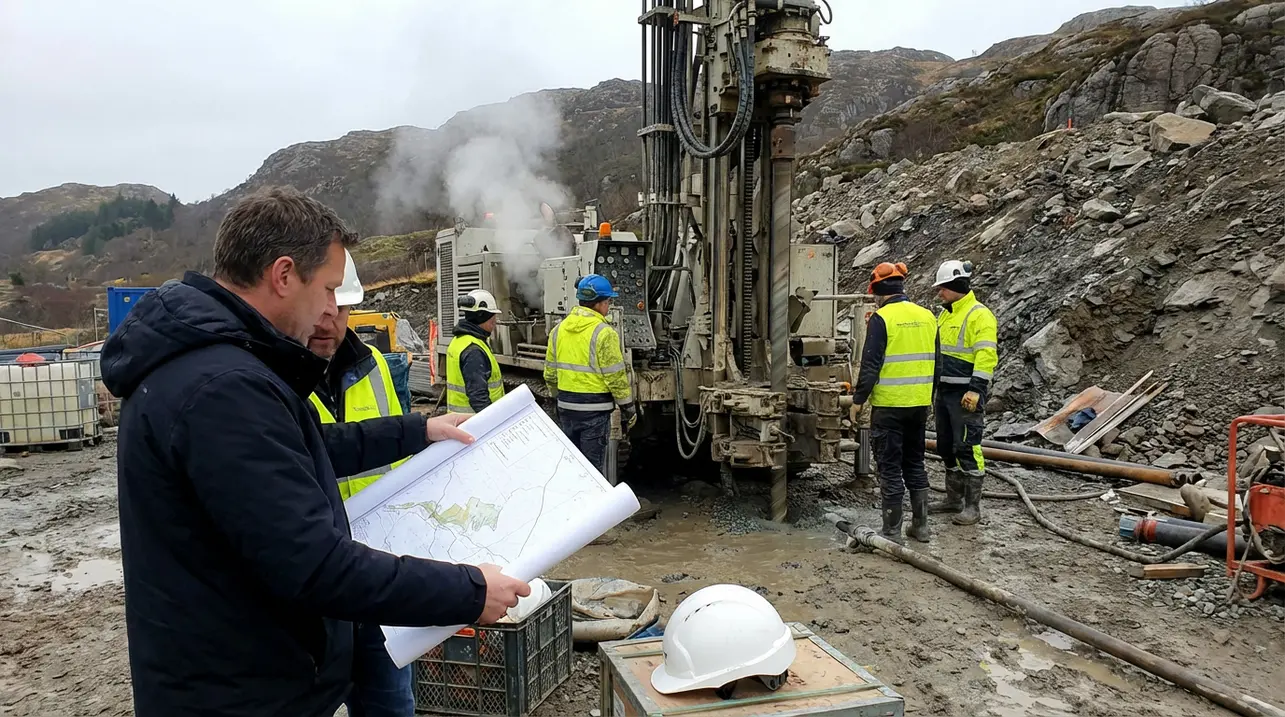
Telura Emerges with €4M Seed to De-Risk Deep Geothermal, as Europe's Subsurface Energy Race Intensifies

3 months ago
Outpoll Weekly Recap: Other (March 2 – 8, 2026)
Comments
BR
BrainwaveBetty6mo ago
what if this whole article is just a teaser for a new ETF based on preschool ROI 👀 like they're setting up the narrative before the big drop