Otherlaw & courtsLegal Reforms
This Group Pays Bounties to Repair Broken Devices—Even if the Fix Breaks the Law
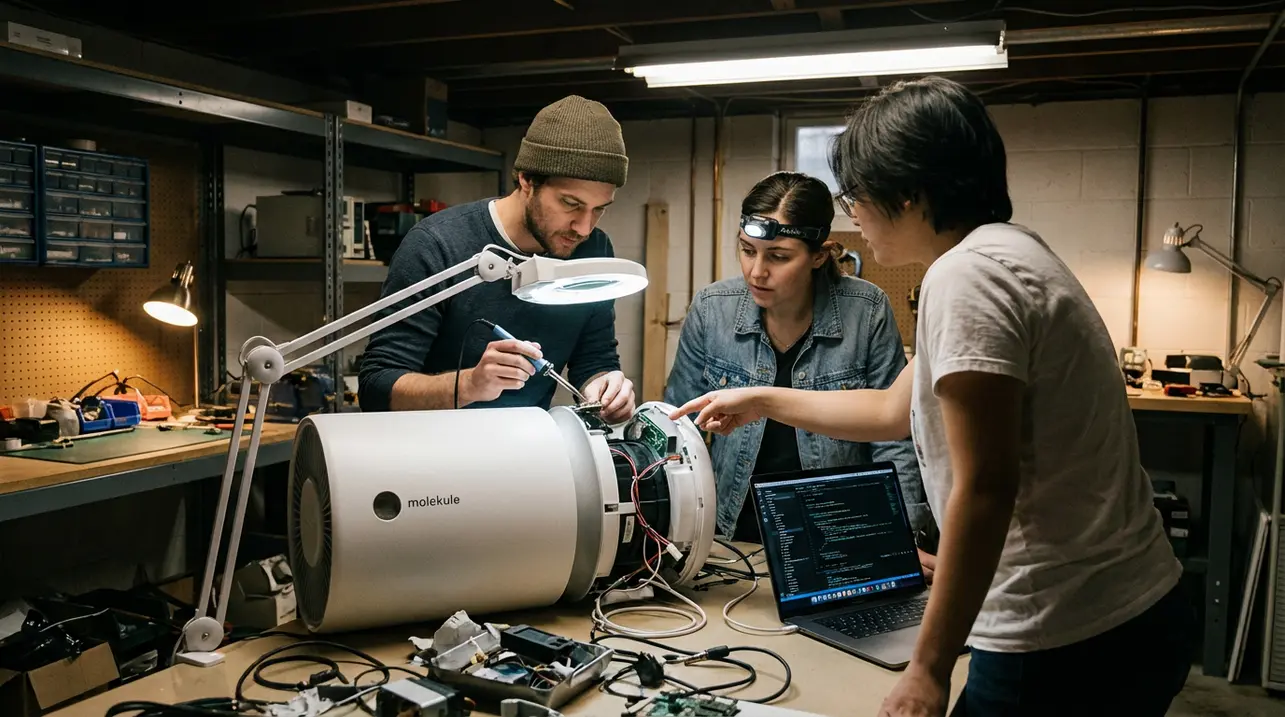
In a move that feels ripped from the pages of a cyberpunk novel, a collective known as Fulu is openly paying bounties to hackers who dismantle the digital locks on consumer electronics, a practice that often skirts—or outright violates—copyright and digital rights management laws. Just this week, they awarded over $10,000 to an individual who successfully hacked the Molekule air purifier, piercing through software designed to limit user repairability and control.This isn't merely a tech enthusiast's hobby; it's a deliberate, provocative front in the escalating war between the right-to-repair movement and manufacturers who embed what critics call 'sneaky features'—planned obsolescence via firmware, proprietary parts pairing, and software locks that render a device a brick without authorized service. Fulu operates in a legal gray zone reminiscent of the early debates around jailbreaking smartphones, but with higher stakes for the Internet of Things era, where your refrigerator, thermostat, and car are increasingly software-defined fortresses.The ethical calculus here is complex, pulling directly from Asimov's foundational tension between human agency and systemic control: when does circumventing a device's code transition from vandalism to vital civil disobedience? Proponents argue these bounties are a necessary counter-force to corporate overreach, incentivizing the reverse-engineering needed to liberate products that consumers ostensibly own. They point to historical precedents like the Clean Air Act's independent repair provisions for automobiles, suggesting that without such grassroots pressure, regulatory bodies move too slowly against anti-competitive practices.Conversely, manufacturers and industry groups warn of safety catastrophes—a hacked air purifier might fail to detect a genuine filter issue, or a tampered medical device could have lethal consequences. They frame these bounties as reckless, encouraging illegal activity that undermines intellectual property and cybersecurity.Yet, Fulu's model cleverly mirrors the very bug-bounty programs that tech giants use to secure their systems, turning the corporate playbook inward to expose what they view as 'features' hostile to consumer rights. The implications ripple beyond a single purifier.As legislation like New York’s Digital Fair Repair Act gains traction, Fulu’s actions provide real-world, actionable data on how difficult—or trivial—it is to bypass these restrictions, effectively crowd-sourcing evidence for policymakers and class-action lawsuits. The group’s existence signals a maturation of the repair movement from advocacy to direct, funded intervention, challenging the notion that ownership in the 21st century is merely a license to use. This development forces us to ask uncomfortable questions about the future of property: if you cannot open, modify, or fix the thing you bought, do you truly own it, or are you just a tenant in a walled garden designed for corporate harvest? The answer will define not just our relationship with gadgets, but with the increasingly digital fabric of daily life.
#right to repair
#hacking
#consumer electronics
#bounties
#legal challenges
#featured