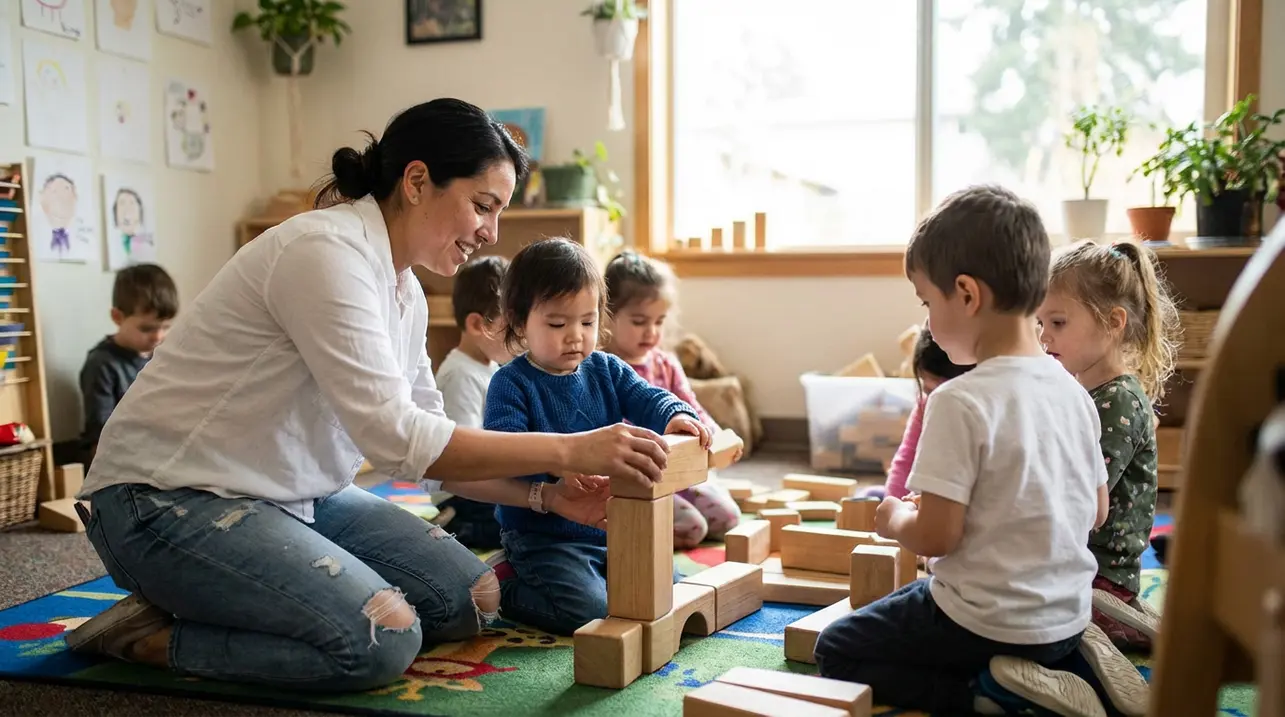
In a world perpetually teetering on the edge of volatility, we often hear grand speeches about infrastructure, defense, and technological innovation as the bedrock of a stable society. Yet, the most profound investment we consistently fail to make is in the quiet, formative years of our youngest citizens.The economic and social benefits of early childhood education are not some soft, feel-good theory; they are the hard, empirical foundation for a more prosperous, peaceful, and equitable world. It is a policy failure of generational proportions that pre-primary education remains chronically underfunded, a deliberate blockage on the surest route to societal health.Consider the data, which is as compelling as it is heartbreaking. Study after study, from the landmark Perry Preschool Project to contemporary longitudinal research, demonstrates that every dollar invested in high-quality early education yields a return of up to $13 through increased lifetime earnings, reduced costs in special education and criminal justice, and a more robust, innovative workforce.This isn't just economics; it's a profound social contract. When we invest in those first five or six years, we are wiring brains for resilience, fostering the cognitive and socio-emotional skills—curiosity, empathy, self-regulation—that determine whether a child becomes a engaged citizen or a statistic in our systems of remediation.Yet, globally, we treat this critical period as a private family burden, not a public good. The underfunding is a choice, one that disproportionately impacts girls, children in poverty, and those in marginalized communities, cementing inequality before a child even sets foot in a primary school.I think of the powerful testimonies from leaders, often women, who trace their confidence and capability back to a nurturing preschool teacher, a safe space to explore. The contrast is stark: in nations like Finland or Sweden, where early childhood education is a universal right, you see lower achievement gaps, higher social mobility, and a public consensus that caring for the youngest is the highest form of national security.In too many other places, including wealthier nations, it's an afterthought, a patchwork of underpaid educators and waiting lists. The consequences are written in our communities—in strained social services, in unprepared classrooms, in the lost potential of millions.This isn't merely a budget line item; it's a reflection of our values. Do we value flashy, short-term gains over the slow, steady work of building human capability? The path forward requires a feminist, human-centric policy lens that recognizes care as infrastructure.It demands we listen to the educators, the neuroscientists, and the parents, and finally allocate resources with the same seriousness we reserve for bridges and banks. The volatility we fear won't be solved by walls, but by building stronger foundations, one child at a time.