Thailand's Tourism Industry Faces Challenges from Rivals and Rising Costs
EM
5 hours ago7 min read
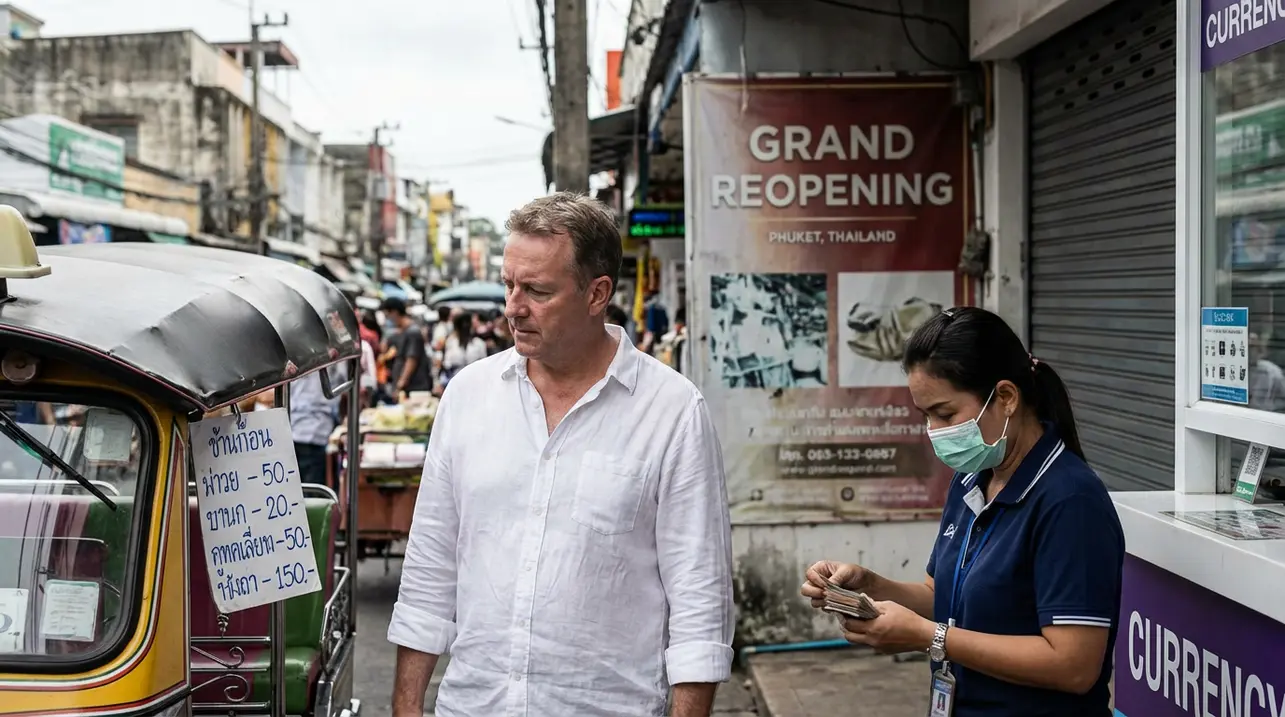
The windows rattled from distant explosions, a sound that British tourist Brian* would later describe as the moment his holiday fantasy shattered. Sitting sleepless in a dim hotel room in Thailand’s Trat province, he was trapped by a curfew he hadn’t known existed, with artillery ringing out from across the Cambodian border.His dream of reaching the serene island of Koh Kood dissolved into the darkness, replaced by the stark reality of a closed road and police instructions to find overnight accommodation. This single, jarring experience is a microcosm of the profound challenges now confronting Thailand’s vital tourism industry, an economic lifeline still struggling to regain its pre-pandemic footing.For decades, Thailand has sold itself as the 'Land of Smiles,' a reliably affordable and welcoming paradise of pristine beaches, vibrant cities, and cultural richness. Yet, this foundational brand is under siege from multiple fronts, creating a perfect storm that threatens its long-term recovery and dominance in Southeast Asia.The immediate geopolitical instability hinted at by Brian’s ordeal is just one layer. Sporadic border tensions, while often localized, inject an element of unpredictability that travel advisories and insurance companies note, subtly shifting perceptions of safety for risk-averse Western markets.More systemic, however, is the fierce and escalating competition from regional rivals. Vietnam, with its stunning coastline and aggressive infrastructure investment, is capturing budget-conscious travelers and luxury seekers alike.Indonesia continues to leverage the timeless allure of Bali while developing new 'super-premium' destinations. Even previously niche players like the Philippines are making significant inroads with targeted marketing.These nations are not just competing on scenery; they are often offering more streamlined visa processes, newer hotel stock, and, critically, better value for money. This last point strikes at the heart of Thailand’s current dilemma: soaring domestic costs.Post-pandemic inflation has hit the country hard, driving up the price of everything from hotel rooms and taxi fares to street food and tour packages. Local businesses, burdened by debt accumulated during the COVID-19 shutdowns and facing higher energy and ingredient costs, have little choice but to pass these expenses on to visitors.The result is a glaring value gap compared to pre-2019 levels, leaving many returning tourists feeling short-changed and new visitors calculating their budgets more carefully. Industry experts point to a worrying bifurcation in the market.
#Thailand tourism
#border conflict
#travel disruption
#safety concerns
#Koh Kood
#Cambodia
#featured
Stay Informed. Act Smarter.
Get weekly highlights, major headlines, and expert insights — then put your knowledge to work in our live prediction markets.
The high-end luxury sector, catering to travelers less sensitive to price fluctuations, remains relatively robust, with premium resorts in Phuket and Koh Samui reporting strong bookings. It is the mass-market and backpacker segments—historically the industry's backbone—that are showing alarming signs of strain.
These travelers are either opting for cheaper alternatives in Vietnam or Cambodia, or shortening their stays in Thailand to manage costs. Furthermore, the industry is grappling with a deeper, more existential critique: overtourism and its consequences.
The environmental degradation of once-idyllic islands like Maya Bay, the water shortages in tourist-intensive provinces, and the cultural friction in places like Chiang Mai have sparked a necessary but challenging conversation about sustainable carrying capacity. The government’s 'high-value, low-volume' tourism strategy is a direct response to this, but its implementation is fraught with difficulty, often feeling more like a slogan than a coherent plan with clear benefits for local communities.
Adding another layer of complexity is the shifting source-market dynamics. While Chinese tourists are returning, their numbers and spending patterns have not yet rebounded to pre-pandemic levels, and the market itself is evolving, with a growing preference for independent travel over packaged tours.
Thailand’s reliance on this single, massive market now appears as a vulnerability, necessitating a more diversified outreach to India, the Middle East, and long-haul European markets, each with its own distinct expectations and sensitivities. The path forward is not impossible, but it requires honest reckoning and strategic agility.
Thailand’s inherent strengths—its world-class hospitality, incredible culinary scene, and diverse offerings from mountains to reefs—remain powerful assets. However, restoring its competitive edge will demand more than nostalgic marketing.
It requires serious investment in transportation infrastructure beyond Bangkok, a crackdown on price-gouging to restore trust, genuine policies to disperse tourists and protect ecological assets, and a nuanced, multi-pronged approach to global marketing that moves beyond one-size-fits-all campaigns. The explosions Brian heard were a literal wake-up call for one man; for the Thai tourism apparatus, they should serve as a metaphorical one—a stark reminder that in a rapidly changing travel landscape, past success guarantees nothing. The industry must evolve from its comfort zone, address its value proposition head-on, and rebuild not just visitor numbers, but its reputation as a destination that delivers on its promise without hidden costs, both financial and experiential.