OthereducationHigher Education
Redefine Access to the Arts With MA in Art Education
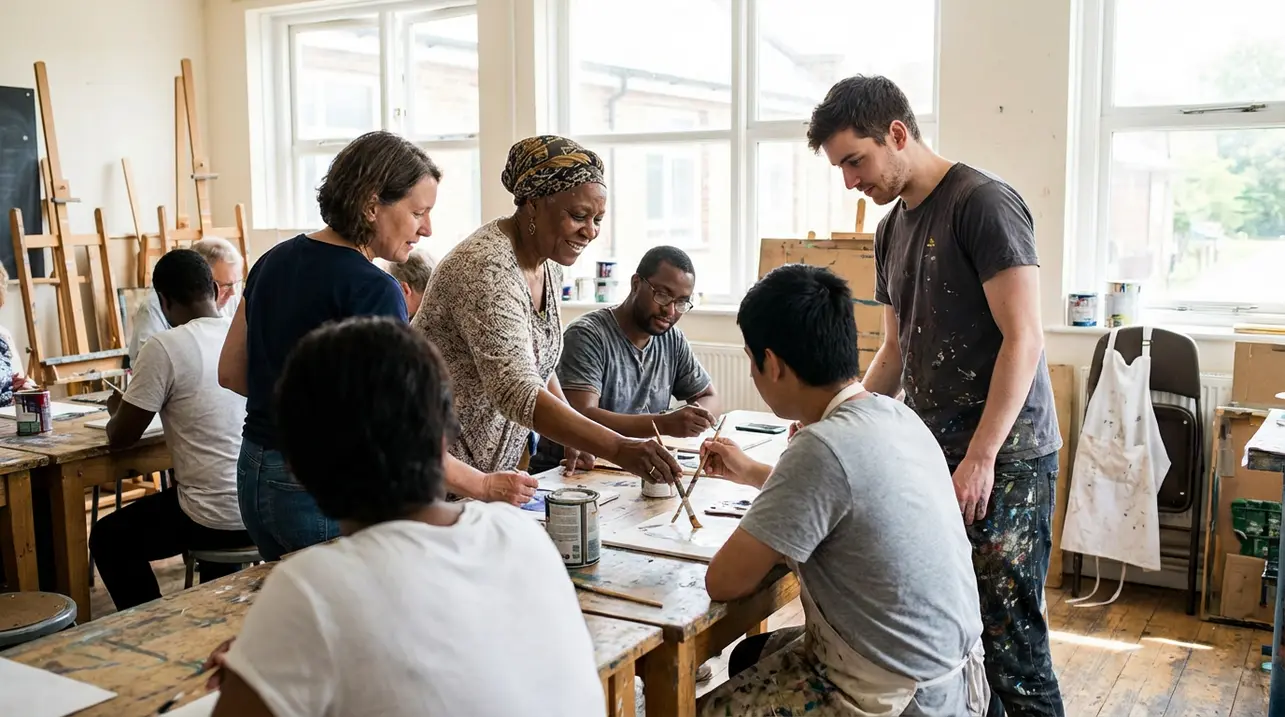
The stage lights are dimming on the old, exclusive model of arts education, and a new, radically accessible production is taking its place. The announcement of a tuition-free Master of Arts in Art Education isn't just another academic program; it’s a fundamental rewrite of the script for who gets to shape our cultural narrative.For too long, the path to becoming an art educator—the mentor who ignites a child’s creativity, the curator who makes a museum collection sing, the community organizer who turns a vacant lot into a mural of hope—has been blocked by a formidable financial curtain. This initiative tears that curtain down, offering not just a degree, but a spotlight for a more diverse, passionate, and prepared ensemble of creators and teachers.Imagine the chorus of voices that have been missing from our schools and cultural institutions: the brilliant painter who couldn’t afford grad school, the dynamic performer from a low-income background, the community elder with a wealth of traditional craft knowledge but no formal credential. This program hands them the microphone.Its design, preparing graduates for roles in schools, museums, and community organizations, acknowledges a vital truth: art education doesn’t happen in a single, sterile setting. It’s a touring production that needs to perform with equal power in a sun-drenched classroom, the hushed halls of a gallery, and the vibrant chaos of a neighborhood center.The historical precedent here is the Federal Theatre Project of the 1930s, which brought live performance to millions who had never seen a play, employing artists and creating a new, democratic audience. This MA program operates on a similar principle of access and public service, but focuses on cultivating the directors and producers of tomorrow’s cultural experiences.Expert commentary from figures like Dr. Marissa Tremblay, an arts policy scholar, underscores the multiplier effect.'You’re not just educating one artist-teacher,' she notes. 'You’re investing in a person who will, over a career, influence thousands of students, shape hundreds of exhibitions, and build dozens of community programs.The return on investment is incalculable, measured in cultural literacy, civic engagement, and pure human joy. ' The possible consequences are profound.In schools, it could begin to reverse the chronic defunding of arts programs by supplying a dedicated, highly-trained cadre of advocates who can articulate art’s necessity alongside math and science. In museums, it can accelerate the shift from being temples of preservation to being lively forums for dialogue, led by educators who reflect the communities they serve.
#University of Arkansas
#art education
#tuition-free program
#teaching careers
#community arts
#featured