OthereducationHigher Education
QS Forum in Tashkent Highlights Central Asia's Education Boom
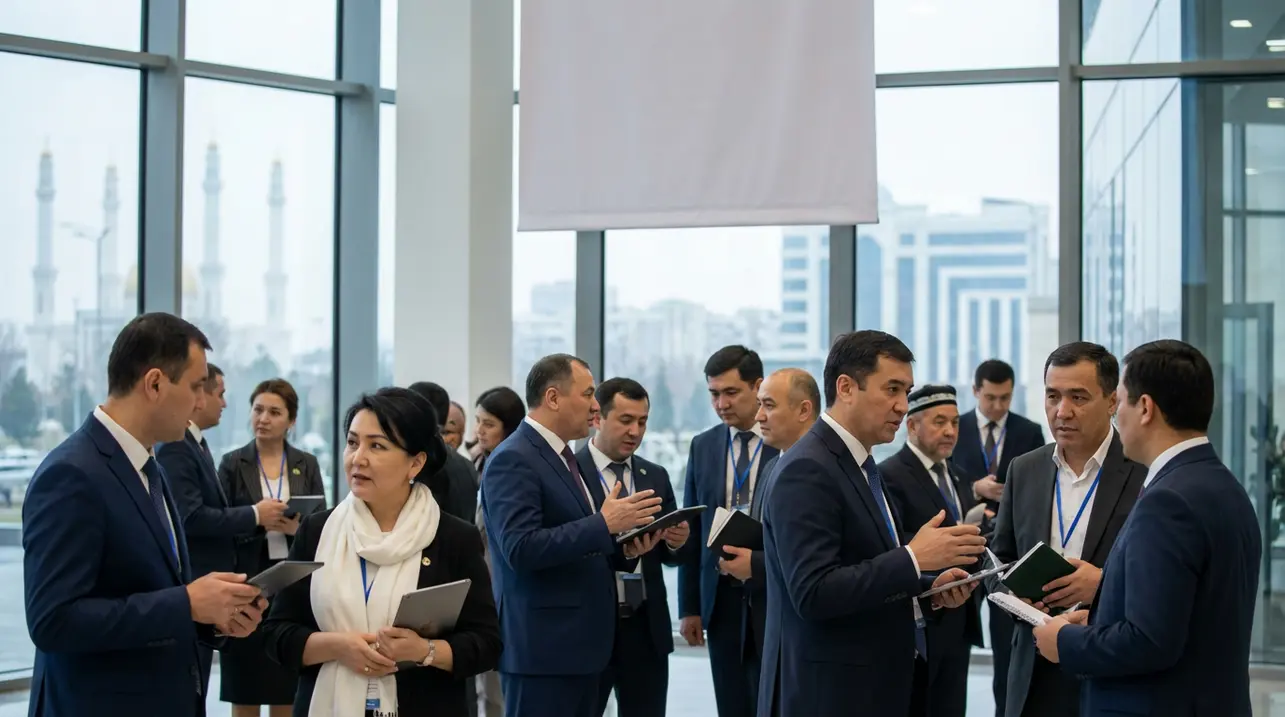
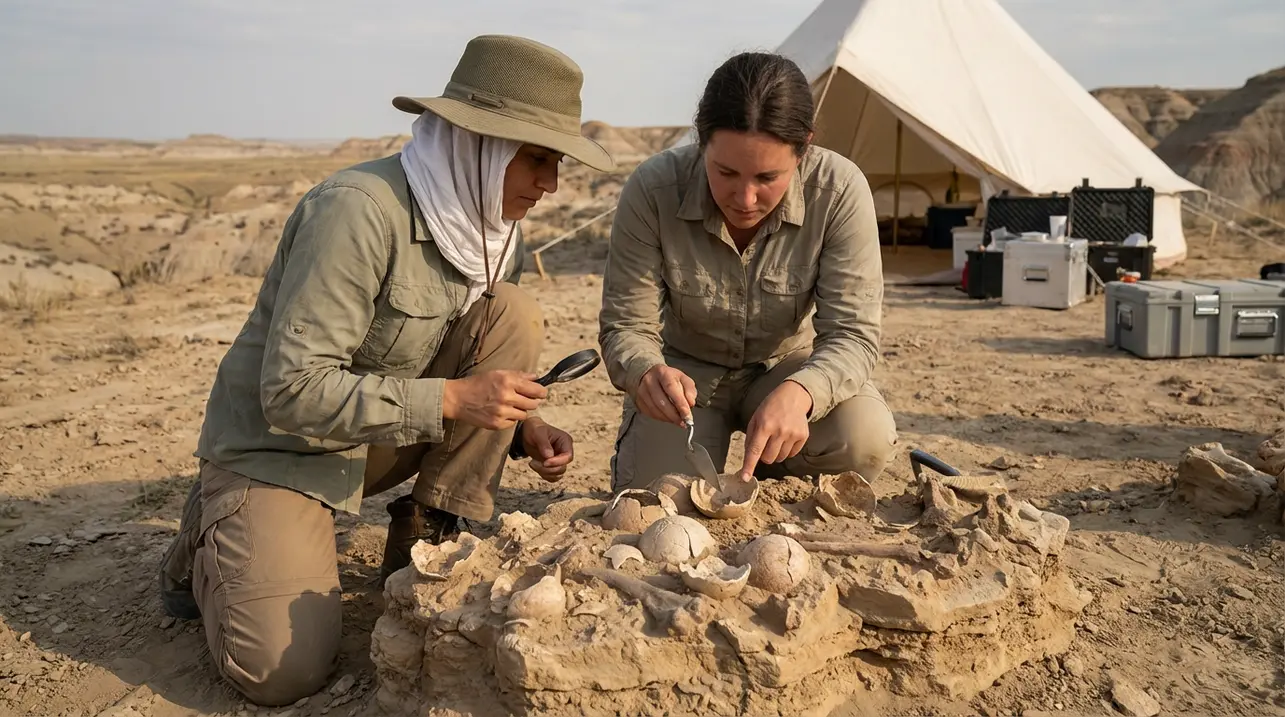
The recent QS Forum in Tashkent wasn't just another academic conference; it felt like a coming-out party for a region long overlooked on the global education stage. Central Asia, that vast, historically rich expanse between the Caspian Sea and the Tian Shan mountains, is having a moment, and its universities are at the heart of it.Picture this: leaders from Kazakhstan, Uzbekistan, Kyrgyzstan, Tajikistan, and Turkmenistan, alongside international partners, gathered not to reminisce about the Soviet-era academic structures that once defined the area, but to actively blueprint a new, collaborative future. The buzz in Tashkent was palpable, centered on forging new partnerships and, more importantly, on a shared recognition that the old, isolated model of higher education simply won't cut it in a world defined by global challenges and a hyper-competitive knowledge economy.This shift is profound. For decades after independence, many institutions in the region grappled with legacy systems, underfunding, and a brain drain that saw some of their brightest minds head west.What we're witnessing now is a strategic pivot. Countries like Uzbekistan, under ambitious reform agendas, are pouring resources into modernizing campuses and curricula.Kazakhstan has long been pushing its universities up international rankings with targeted investment. The forum served as a catalyst, transforming these parallel national efforts into a concerted regional strategy.The discussions went beyond mere memorandums of understanding. They dug into the gritty details of improving academic quality—think joint accreditation frameworks, faculty exchange programs that are more than just ceremonial, and shared digital libraries to overcome resource gaps.The talk on research opportunities was particularly telling. Central Asia faces unique challenges, from water resource management in an era of climate change to sustainable development along the ancient Silk Road.By pooling intellectual capital and research infrastructure, these nations could position themselves not just as students of global science, but as essential contributors to solving regional problems with global implications. Imagine a consortium of Central Asian universities leading the world in arid-land agriculture studies or in preserving the region's unparalleled archaeological heritage with cutting-edge technology.The potential for synergy is enormous. There's also the geopolitical dimension, of course.As great power competition subtly influences global academic networks, a stronger, more integrated Central Asian educational bloc could negotiate from a position of collective strength, attracting partnerships with the EU, East Asia, and the West on their own terms. The obstacles are real—bureaucratic hurdles, lingering linguistic and curricular differences, and ensuring equitable benefits for all partners.
#Central Asia
#education forum
#university partnerships
#academic quality
#research collaboration
#QS forum
#Tashkent
#featured