

OthereducationEducational Policy
Philippines Approves Record $23 Billion Education Budget Amid Challenges
AN
Anna Wright
5 months ago7 min read
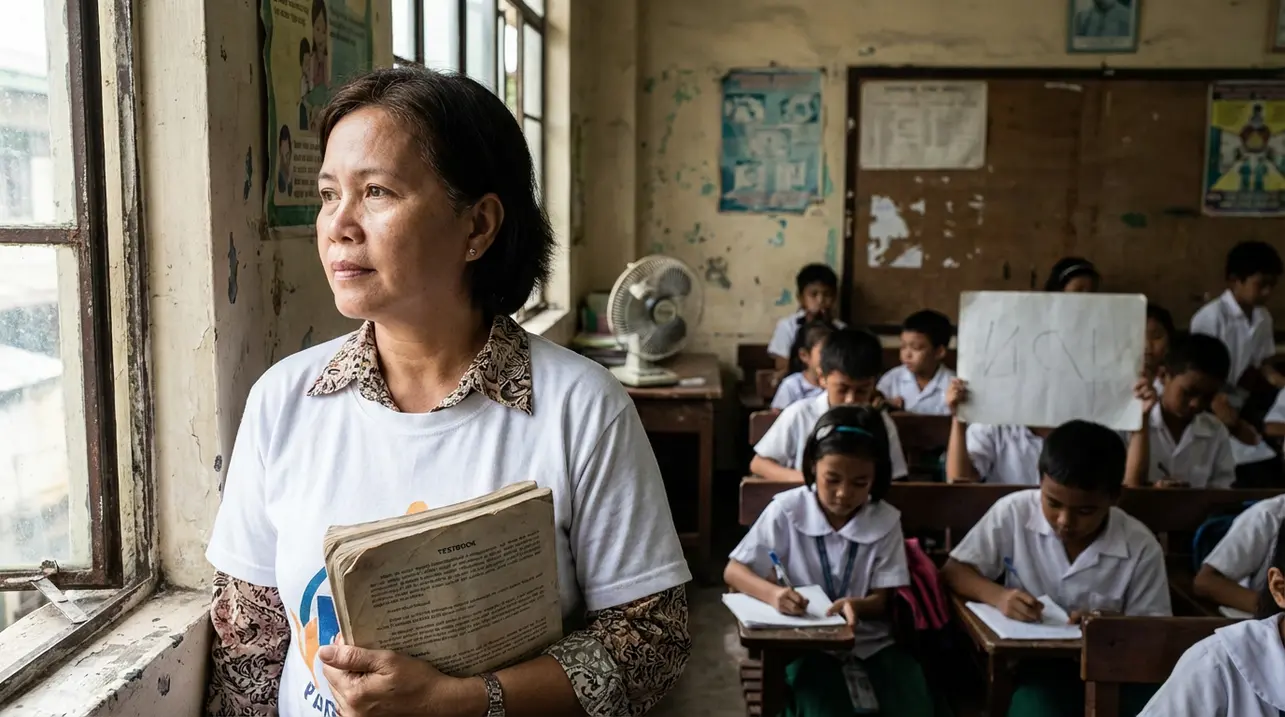
The recent approval of a historic 1. 37 trillion peso (US$23 billion) education budget by the Philippine Senate is a landmark moment, one that has been met with a complex mix of celebration and profound skepticism from the nation's teachers and advocates.On its face, this allocation—representing roughly 4% of the country's GDP and finally aligning with long-standing United Nations recommendations—is a monumental political commitment, a tangible acknowledgment that the future is built in classrooms. Yet, as someone who has followed the intricate dance between policy promises and on-the-ground realities in social sectors across the globe, I find the reaction from the frontline educators most telling.Their cautious optimism underscores a universal truth in feminist and social policy analysis: a financial injection, no matter how large, is not a magic bullet. It is a necessary tool, but its effectiveness is entirely dependent on the systemic structures, historical inequities, and deeply ingrained challenges it aims to dismantle.The Philippines' education system has been grappling for years with a perfect storm of obstacles: chronic teacher shortages that force overcrowded classrooms, a stark infrastructure deficit where students sometimes learn in shifts under makeshift roofs, and persistently weak learning outcomes that international assessments consistently highlight. These are not mere budgetary line items; they are symptoms of a deeper malaise affecting human potential.The new funds, while unprecedented, now face the Herculean task of reversing decades of underinvestment and bureaucratic inertia. One must ask: how much of this record sum will be efficiently channeled directly into teacher salaries, modern teaching materials, and the construction of resilient, well-equipped schools in the most underserved regions, from the bustling streets of Metro Manila to the remote villages of Mindanao? The history of big-ticket appropriations, here and elsewhere, is often littered with good intentions diluted by implementation gaps, corruption, and a failure to address the root causes of educational disparity, which are inextricably linked to poverty and regional inequality.Furthermore, the budget's success hinges on more than bricks and salaries; it demands a parallel investment in pedagogical innovation, curriculum reform that moves beyond rote learning, and robust support for the mental and professional well-being of teachers who are the system's backbone. Without a holistic, transparent, and equity-focused execution plan—one that listens to the voices of teachers, parents, and students themselves—this $23 billion could become another case study in the chasm between political triumph and tangible human impact. The world will be watching to see if the Philippines can transform this financial commitment into a genuine leap forward for its next generation, or if the announcement ultimately rings hollow against the persistent, daily struggles within its classrooms.
#education budget
#Philippines
#teacher shortages
#learning outcomes
#UN recommendations
#featured
Stay Informed. Act Smarter.
Get weekly highlights, major headlines, and expert insights — then put your knowledge to work in our live prediction markets.
Related News






1 month ago
Outpoll Weekly Recap: Other (April 20 – 26, 2026)

2 months ago
Outpoll Weekly Recap: Other (April 13 – 19, 2026)

2 months ago
Why ‘others have it harder’ is a form of empathy bypassing

2 months ago
Outpoll Weekly Recap: Other (March 30 – April 5, 2026)

2 months ago
Outpoll Weekly Recap: Other (March 23 – 29, 2026)

3 months ago
Outpoll Weekly Recap: Other (March 16 – 22, 2026)
3 months ago
Washington State Passes Millionaires Tax as Model for Others

3 months ago
Outpoll Weekly Recap: Other (March 9 – 15, 2026)
3 months ago
Telura Emerges with €4M Seed to De-Risk Deep Geothermal, as Europe's Subsurface Energy Race Intensifies

3 months ago
Outpoll Weekly Recap: Other (March 2 – 8, 2026)
Comments
It's quiet here...Start the conversation by leaving the first comment.