

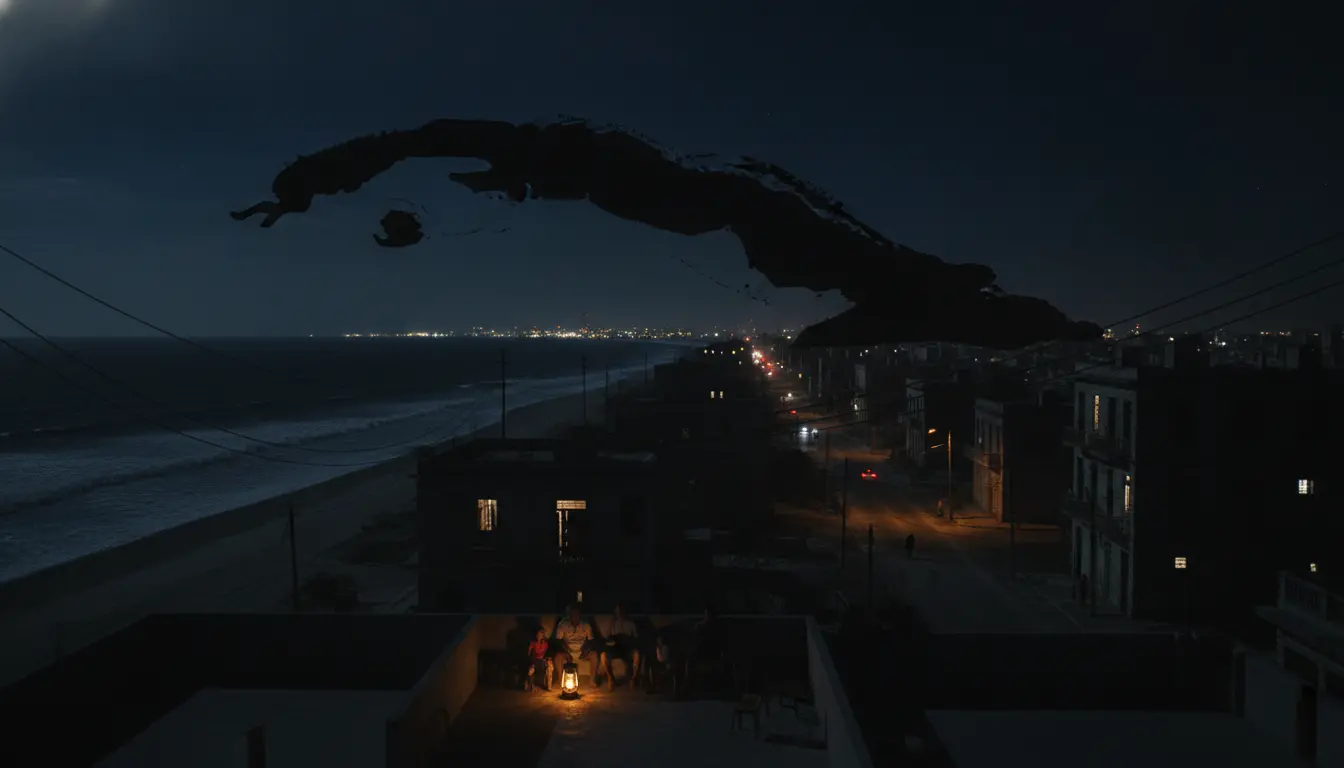
Persistent Blackouts Plague Cuba as Aging Infrastructure and Fuel Shortages Intensify Crisis
Cuba is in the grips of a severe and escalating energy crisis, marked by frequent and widespread power outages that routinely plunge the entire nation into darkness. These blackouts, far from isolated incidents, are symptoms of a deeply troubled national power grid, exacerbating daily hardships for millions of Cubans and posing a critical challenge to the government's stability and legitimacy. The crisis underscores the fragility of the island's essential services, leaving homes without refrigeration, hospitals struggling to maintain operations, and businesses unable to function.
The roots of Cuba's energy woes are multi-layered and decades deep. The island nation relies heavily on a fleet of aging thermal power plants, many of which are well beyond their intended operational lifespan and operate with chronic maintenance issues. These Soviet-era facilities, such as the Antonio Guiteras power plant, Cuba's largest, are constantly breaking down, requiring emergency repairs that temporarily take them offline. The consistent lack of significant investment in modernization, coupled with a scarcity of essential spare parts and dwindling access to crucial heavy fuels, has pushed the system to its breaking point. This dire situation is a direct consequence of Cuba's struggling economy, limited foreign exchange reserves, and the enduring impact of the decades-long U.S. embargo, which complicates efforts to acquire technology and financing from international markets.
Unión Eléctrica (UNE), the state-owned national energy company, frequently issues public communiqués announcing emergency maintenance or unexpected breakdowns at key generating facilities, leading to both scheduled and unannounced power cuts. These outages can last for hours, often stretching into days in some regions, particularly outside the capital, Havana. The disruption is pervasive, affecting every aspect of daily life: food preservation becomes impossible without refrigeration, water pumps cease to function, communication networks falter, and public transportation faces severe delays. The intermittent nature of the power supply severely impacts productive sectors of the economy, hindering agricultural output, manufacturing, and tourism, thereby stifling any prospects for economic recovery and contributing to widespread public frustration and a significant increase in emigration.
Recent months have witnessed a noticeable increase in the frequency and duration of these nationwide blackouts, signaling a worsening trajectory for the crisis. Public frustration, long simmering, has become increasingly palpable, often manifesting in widespread social media outcry and, at times, localized protests in various communities across the island. The government has attempted to implement various stop-gap measures, including the acquisition of emergency floating power plants and accelerated repairs to existing facilities, as well as importing additional fuels. However, these efforts frequently prove insufficient against the scale of the systemic problem. Energy conservation campaigns are a constant feature of state media, but they address symptoms rather than the fundamental capacity deficit that remains overwhelming. Furthermore, the vulnerability of the grid is acutely exposed during extreme weather events, such as hurricanes, which frequently cause catastrophic damage and prolong outages for weeks or even months in affected areas.
The prospect of a stable and reliable power supply appears increasingly distant for Cuba without radical intervention. Without substantial foreign investment, consistent access to modern technology, and a comprehensive overhaul of its national energy strategy—including a shift towards renewable sources and decentralized generation—the nation is likely to continue grappling with a precarious and failing power grid. The ongoing energy crisis is not merely an inconvenience for its citizens; it is a fundamental issue impacting public health, economic viability, and, crucially, social stability. The Cuban government's ability to effectively address this chronic problem will serve as a critical test of its governance and its capacity to meet the basic needs of its population in the coming years, as citizens grow increasingly weary of living in the dark.
Stay Informed. Act Smarter.
Get weekly highlights, major headlines, and expert insights — then put your knowledge to work in our live prediction markets.
Related News
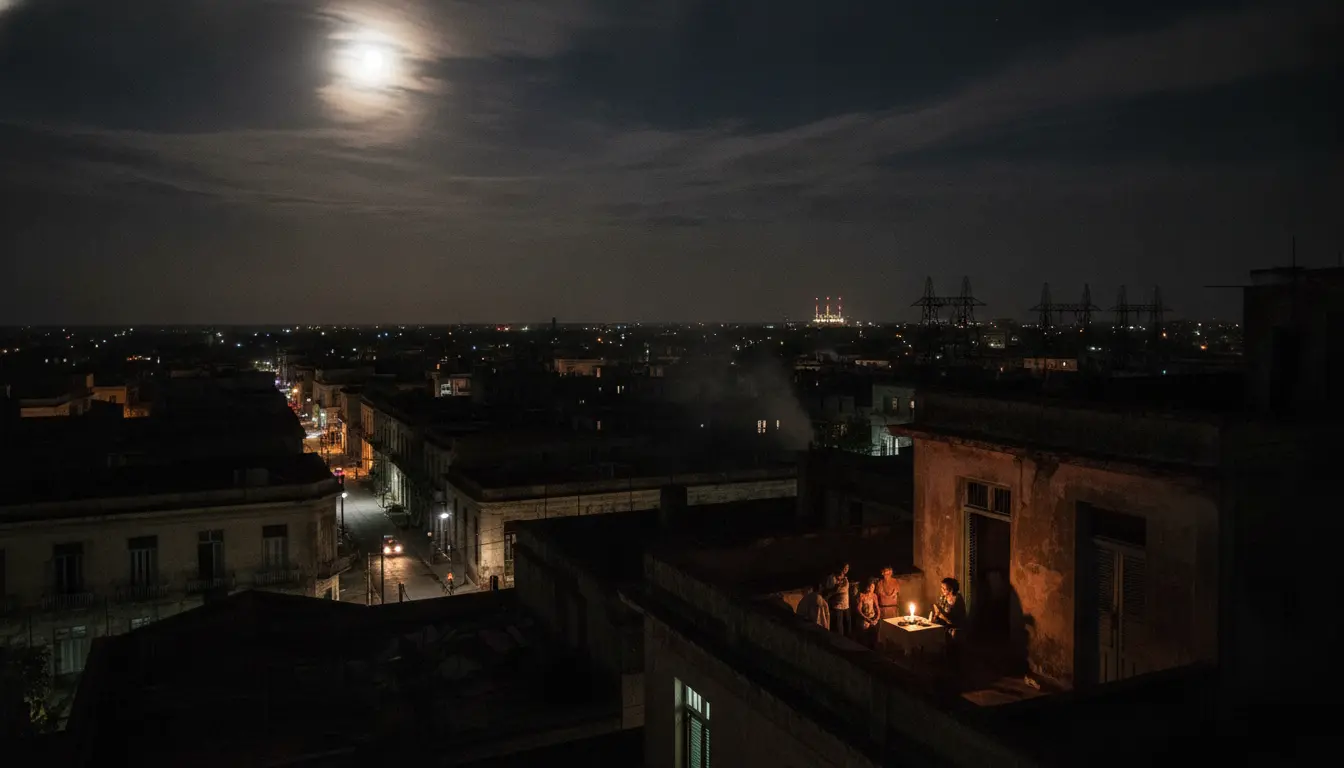
Cuba's Deteriorating Power Grid Plunges Nation Into Frequent Blackouts
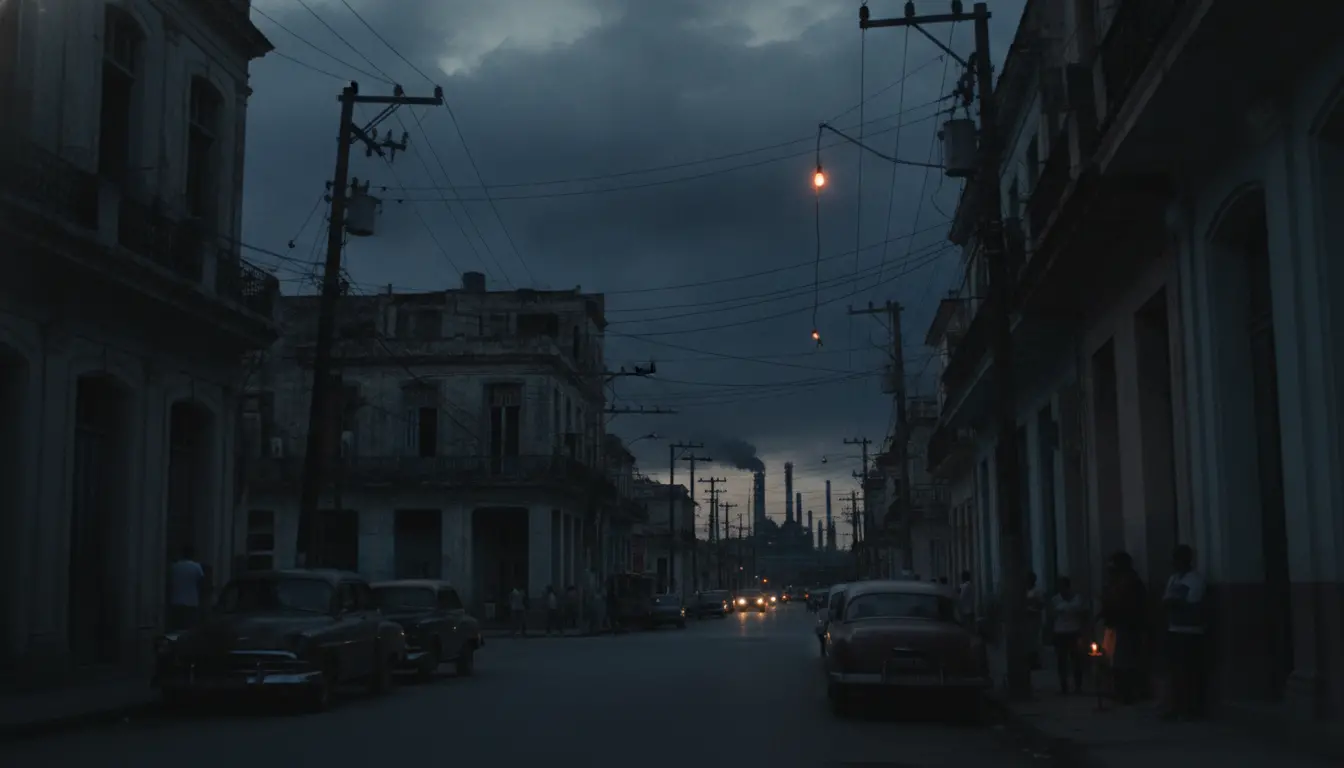
Cuba's Deepening Energy Crisis Linked to Trump-Era Sanctions, Future Policy Uncertain
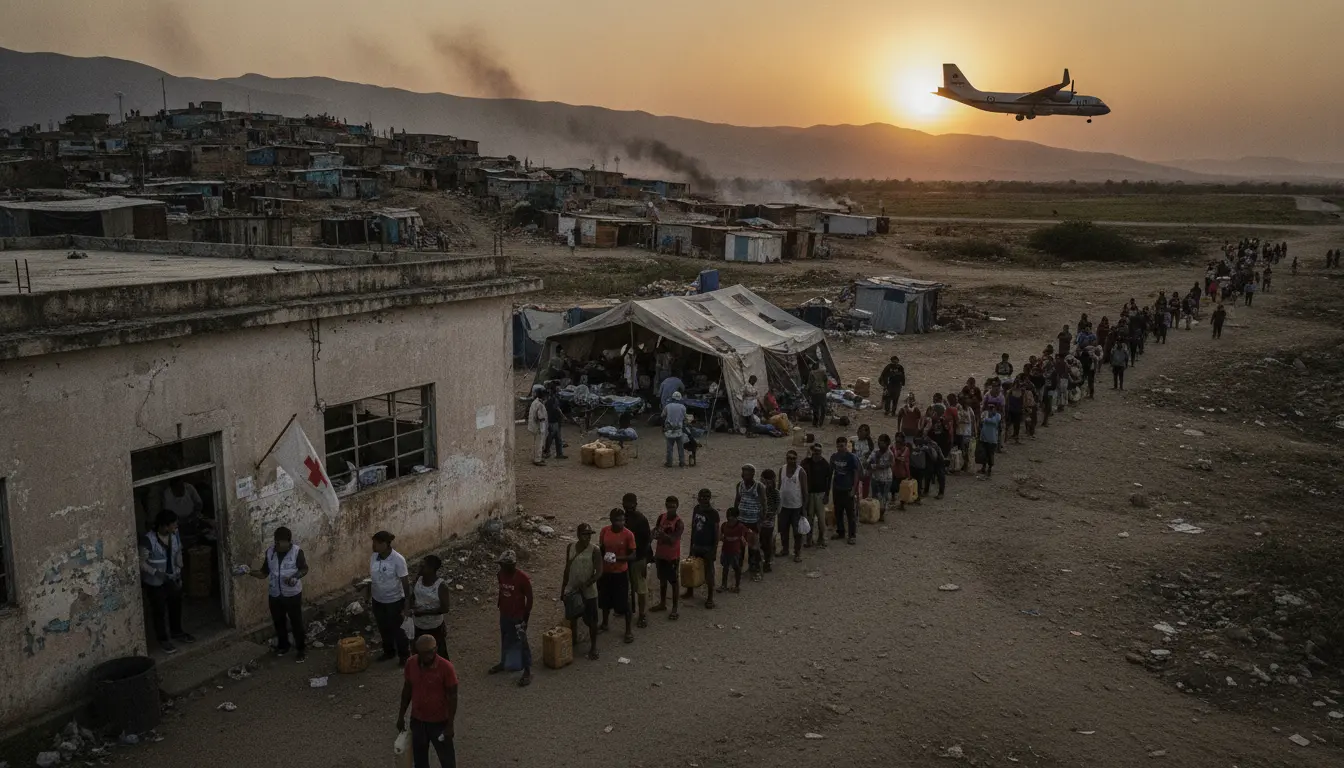
Venezuela's Humanitarian Crisis Prompts Renewed Push for Major International Aid

US Explores Major Oil Trade Pact with Venezuela Amid Sanctions Relief Talks
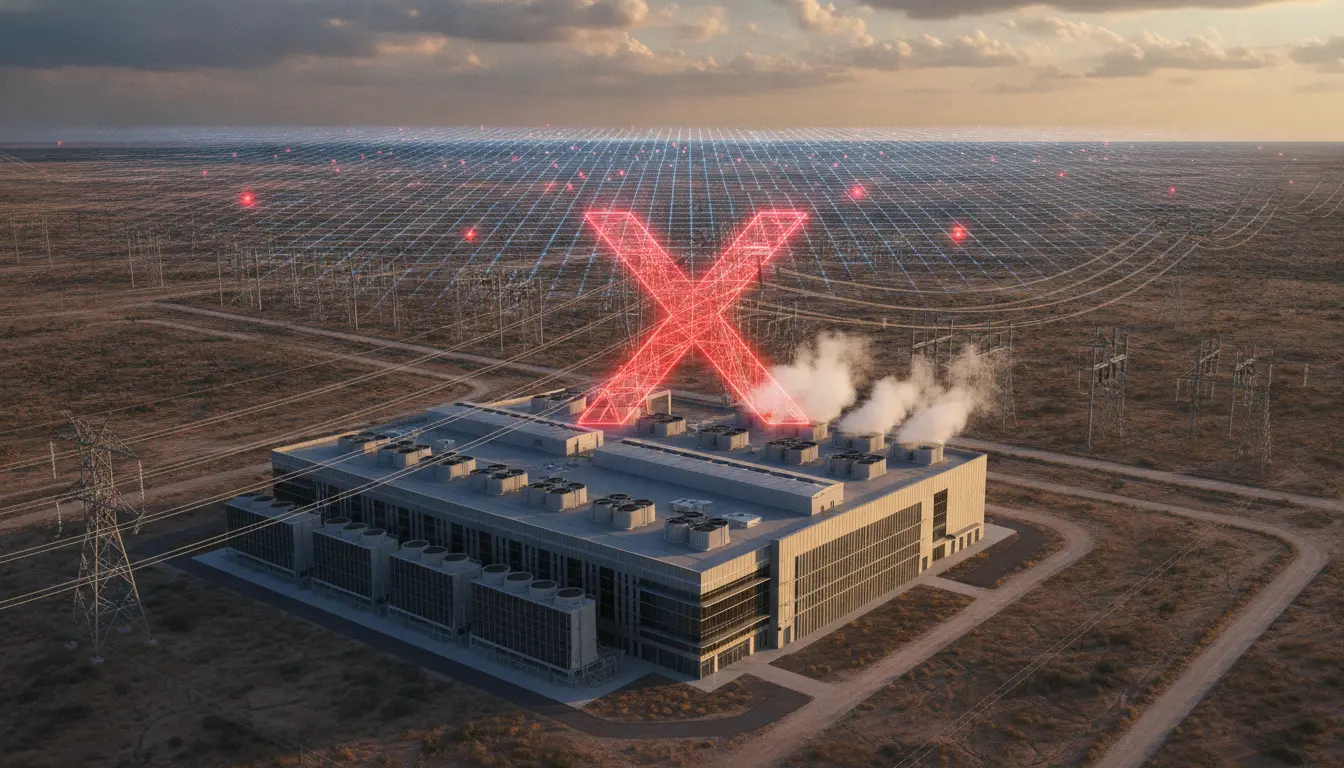
Texas Grid Operator Grapples with Surging Data Center Demand, Halts New Connections
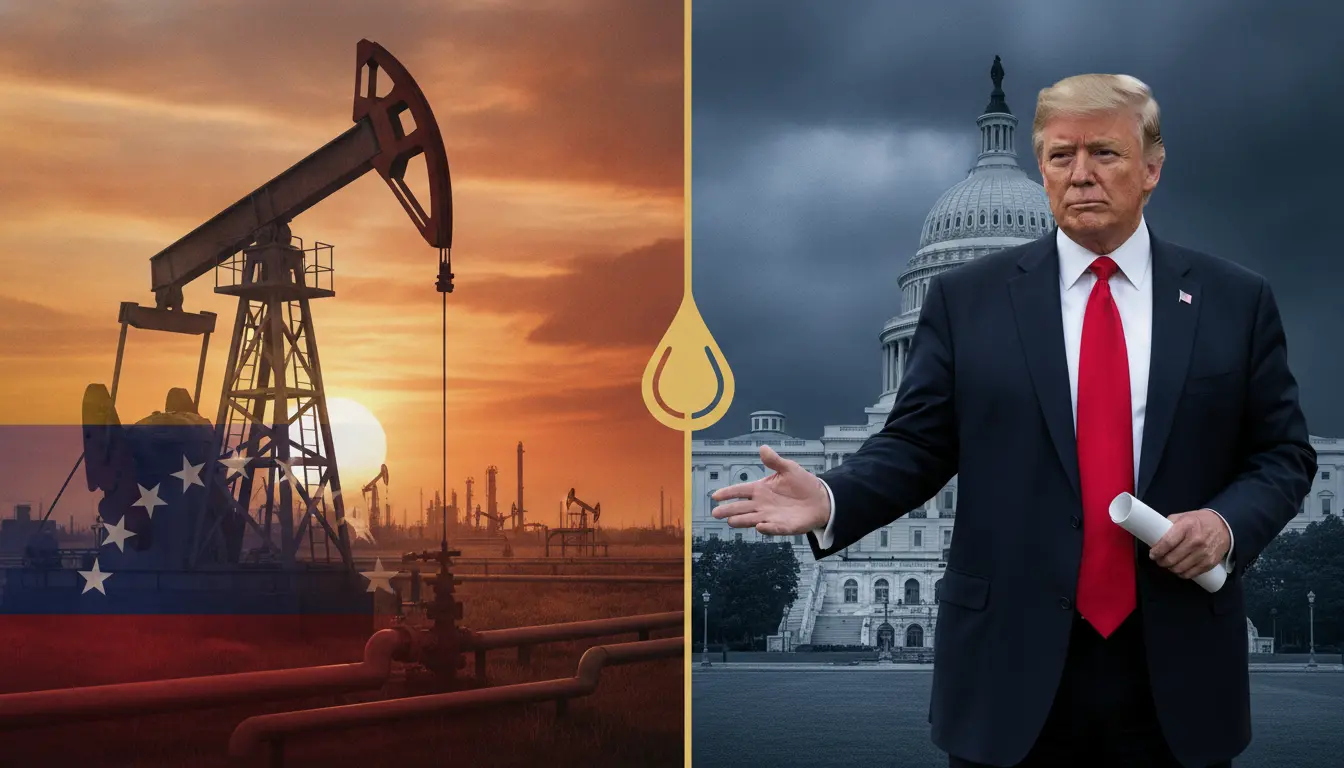
Trump Signals Intent for Major Oil Deal with Venezuela, Prompting Scrutiny Over Sanctions and Geopolitics
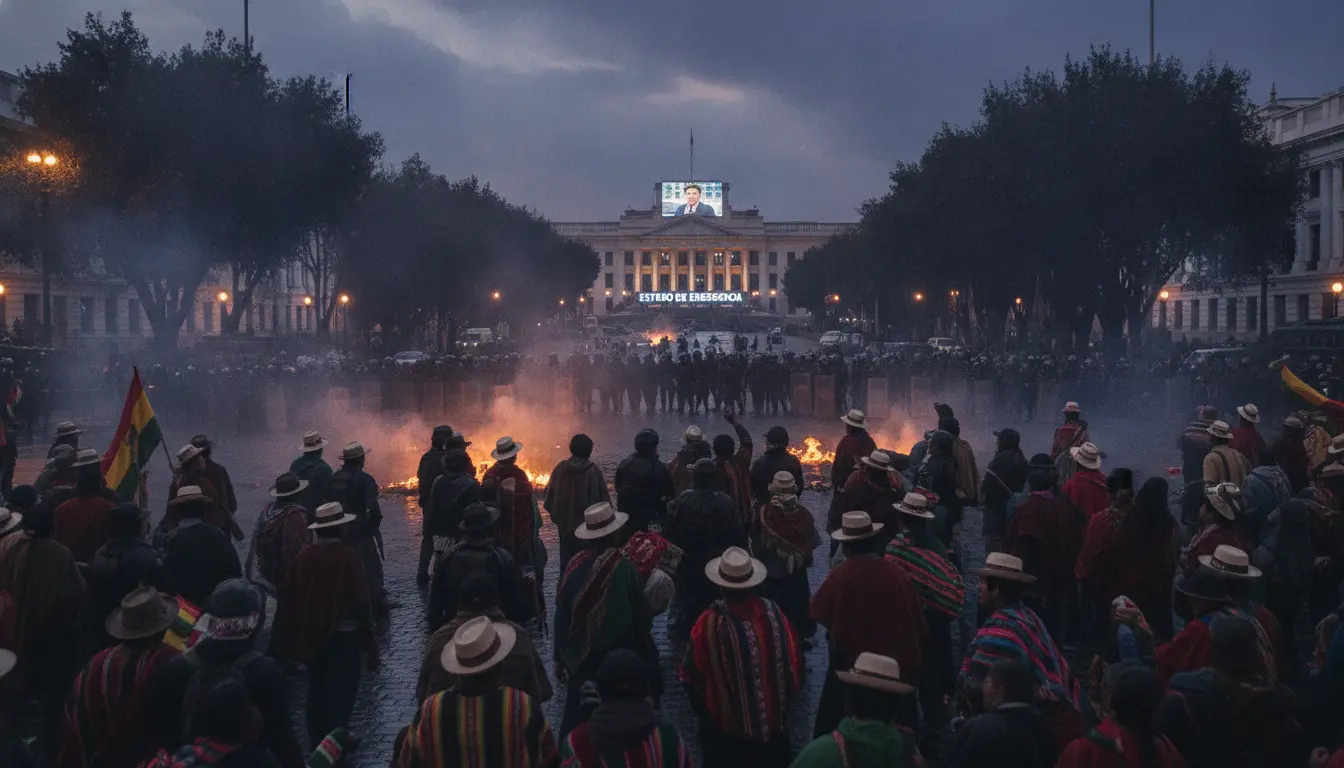
Bolivia's Luis Arce Faces Mounting Pressure Amid Anti-Government Protests, State of Emergency

Trump-Backed Venezuela Oil Agreement Faces Stiff Congressional Resistance
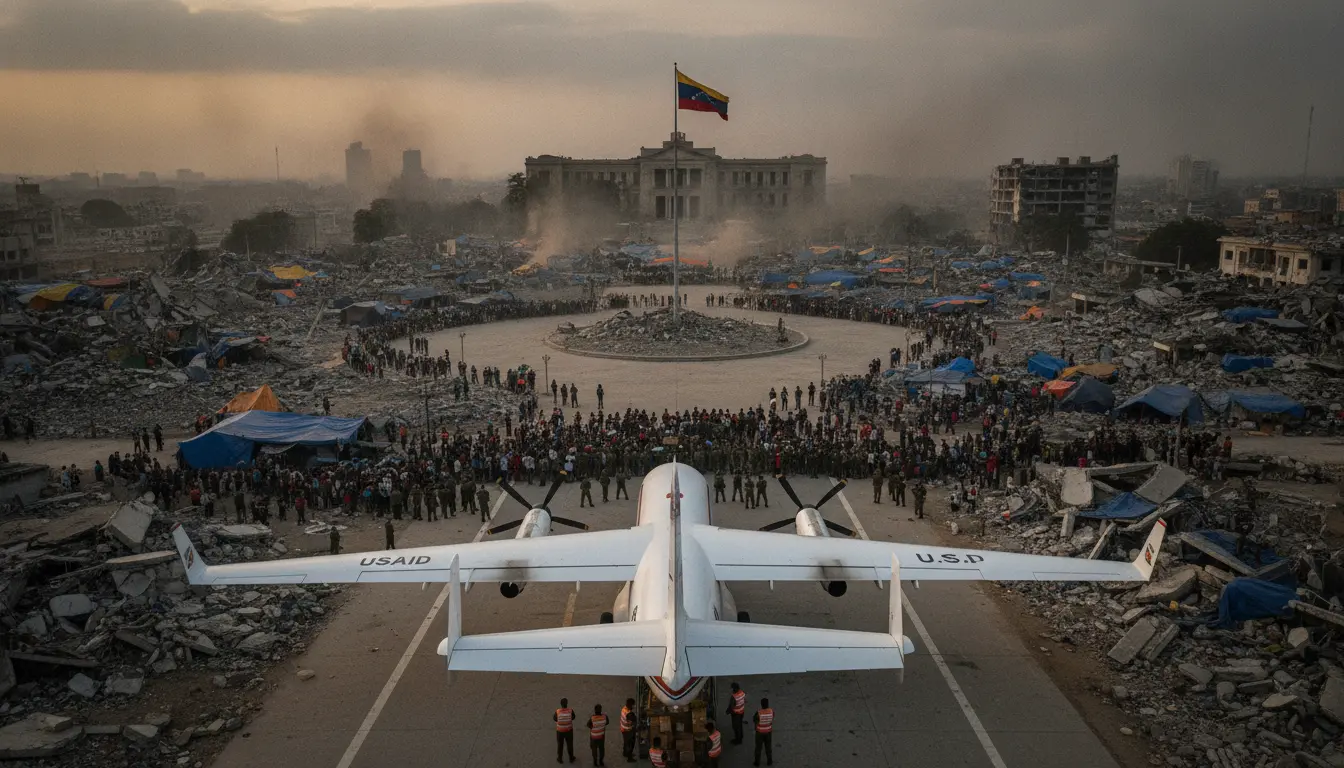
Venezuela Faces Pressure to Accept U.S. Humanitarian Aid Amidst Post-Quake Crisis
Washington Considers Full Reinstatement of Iran Oil Sanctions Amid Deepening Regional Tensions