OthereducationEdTech Innovations
My employee calls in sick after negative feedback
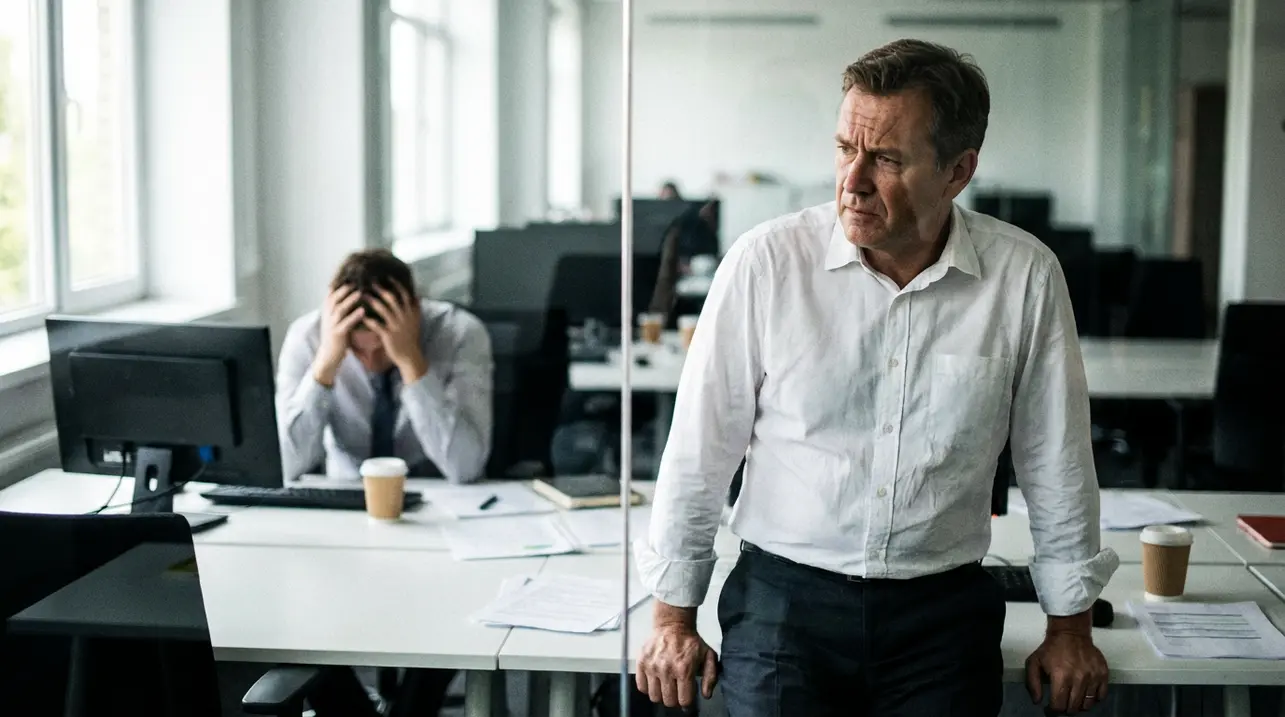
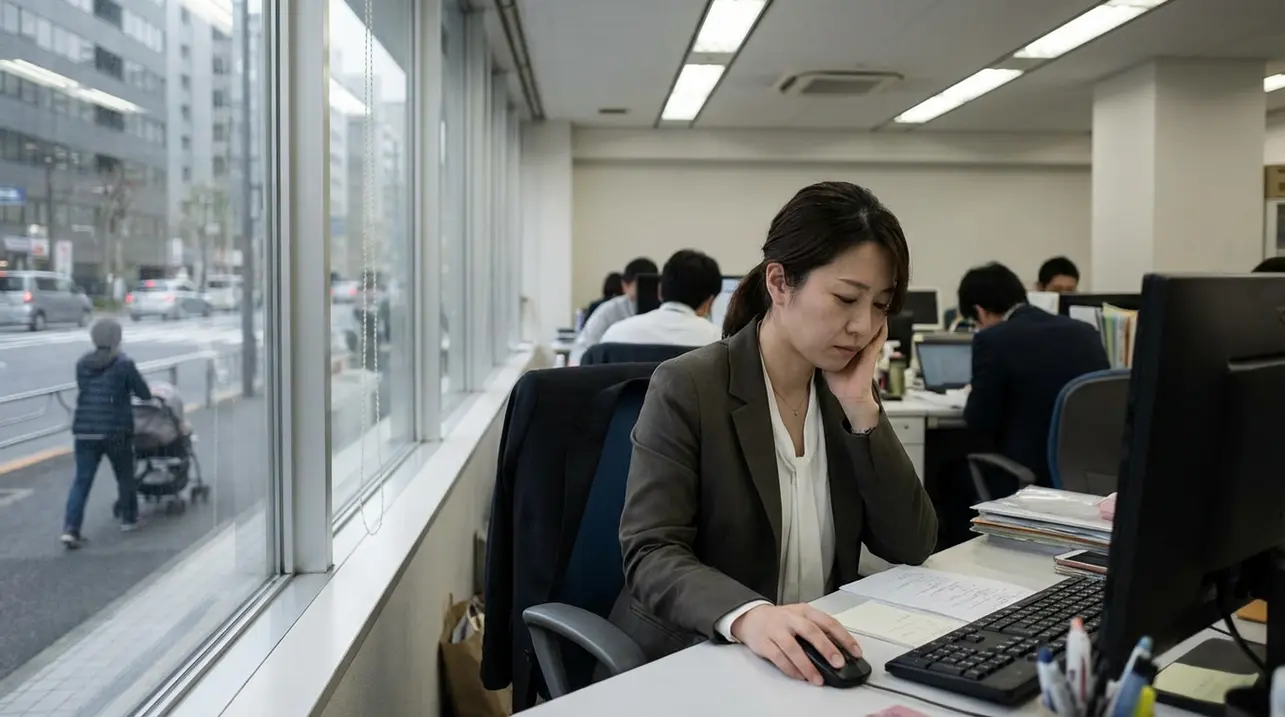
A manager writes in, describing a familiar yet painful workplace dance. For two years, they’ve overseen Craig, an employee who, after a decade of stagnation, initially blossomed under coaching, his revitalized work earning praise.That progress, however, vanished six months ago. Now, Craig misses deadlines and lets projects slip.The real tell, though, is the pattern that follows even the mildest, most constructive feedback: the next morning, a sick call, then days of quiet withdrawal upon return. It’s happened three times in two months.The manager, walking on eggshells, is at a loss, afraid to speak up yet knowing silence helps no one. This is the core of the problem with feedback-averse employees—the conversation stops, and everyone loses.The team suffers, the manager abdicates their duty, and the employee, potentially barreling toward job loss, remains in the dark. The advice here is to shift the goal.Success isn’t magically fixing Craig; it’s clearly articulating what you see. Sit him down.Name the backslide: “Last year, you impressed us. Six months ago, that changed.We’re at serious concerns now. What’s going on?” This opens the door.Maybe a personal crisis is consuming him; maybe the sustained effort wasn’t sustainable. Give him that chance.Then, gently name the other pattern: “I’ve noticed you often call out sick after we discuss your work. Am I reading that right? I need to be able to talk with you without it meaning you can’t come in.” Ask if there’s anything you can do differently. But ultimately, the kindest act is clarity.Define the performance standards he must meet to stay. From there, the ball is in his court. The manager’s job isn’t to rescue, but to communicate with empathy and precision, then step back.
#employee feedback
#performance management
#workplace coaching
#absenteeism
#leadership
#management advice
#featured