Otheraccidents & disastersEnvironmental Disasters
EA to spend millions clearing Oxfordshire illegal waste mountain in break with policy
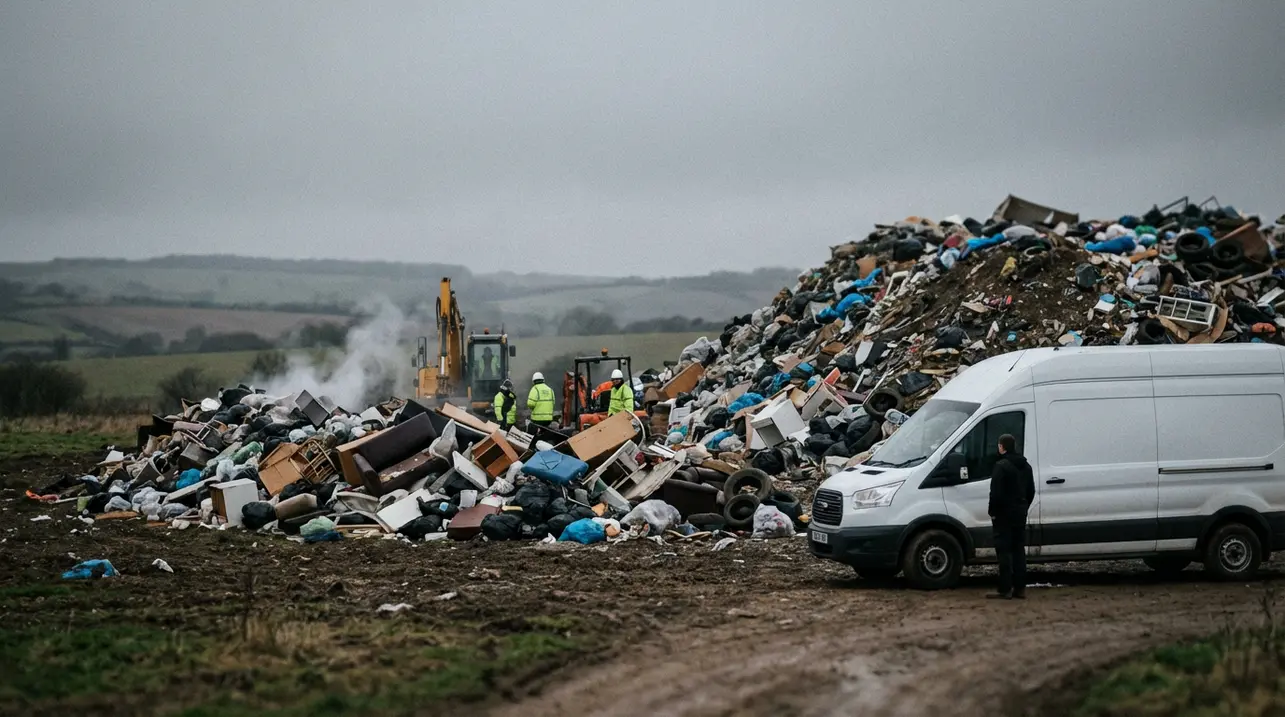
The Environment Agency’s decision to allocate millions of pounds to clear a vast, illegally dumped waste mountain in Oxfordshire, citing an imminent fire risk, represents a stark and contentious break from its own established policy—a move that has ignited fury in communities elsewhere left to languish amidst similar environmental hazards. This specific site, a sprawling eyesore of thousands of tonnes of rubbish blighting the landscape near Kidlington, finally triggered agency intervention under the banner of preventing a catastrophic blaze, a rationale that underscores the volatile and dangerous nature of such unchecked dumping.However, this selective action has thrown a harsh, unforgiving light on what critics are calling a postcode lottery of environmental justice, most acutely felt in Wigan, Greater Manchester, where residents and a local Labour MP are rightfully demanding to know why 25,000 tonnes of toxic waste dumped perilously close to a school has been left to fester for nearly a year without similar decisive action. The disparity is not merely bureaucratic; it is a visceral illustration of how policy, when applied inconsistently, fails the very people and ecosystems it is sworn to protect, transforming neglected waste sites from mere planning violations into active threats to public health and local ecology.Historically, the Environment Agency has often been hamstrung by convoluted liability laws and stretched budgets, leading to a reactive rather than preventative stance on waste crime, an industry estimated to cost the UK economy over £1 billion annually while enriching sophisticated criminal networks that exploit regulatory gaps. This Oxfordshire clearance, while a necessary remediation, sets a troubling precedent that could incentivize fly-tippers to target areas perceived as lower-priority, unless it is paired with a nationwide, adequately funded strategy of proactive surveillance and swift prosecution.Experts in environmental law point out that the agency’s statutory guidance often prioritizes immediate risks to human health or controlled waters, which theoretically justifies the Kidlington decision, but this technical framing offers cold comfort to the families in Wigan breathing in potential pollutants daily. The broader context here is a systemic failure in waste management infrastructure and enforcement, where cuts to local authority budgets have reduced legitimate disposal options, and penalties for illegal dumping remain disproportionately weak compared to the profits involved.The consequence of this fragmented approach is a scarred landscape, eroded public trust, and communities pitted against each other in a competition for scarce regulatory resources—a dynamic that undermines collective environmental stewardship. Moving forward, this incident must catalyze a harder look at root causes: from bolstering recycling capacity and tracking waste via digital manifests to ensuring that the ‘polluter pays’ principle is enforced with real teeth, so that the financial burden does not perpetually fall on the public purse and blameless communities. The story of these two waste mountains, one slated for removal and one left in limbo, is ultimately a story of values, revealing who and what we prioritize in the silent, ongoing war against environmental degradation.
#Environment Agency
#illegal waste dumping
#Oxfordshire
#Kidlington
#Wigan
#toxic waste
#cleanup costs
#featured