

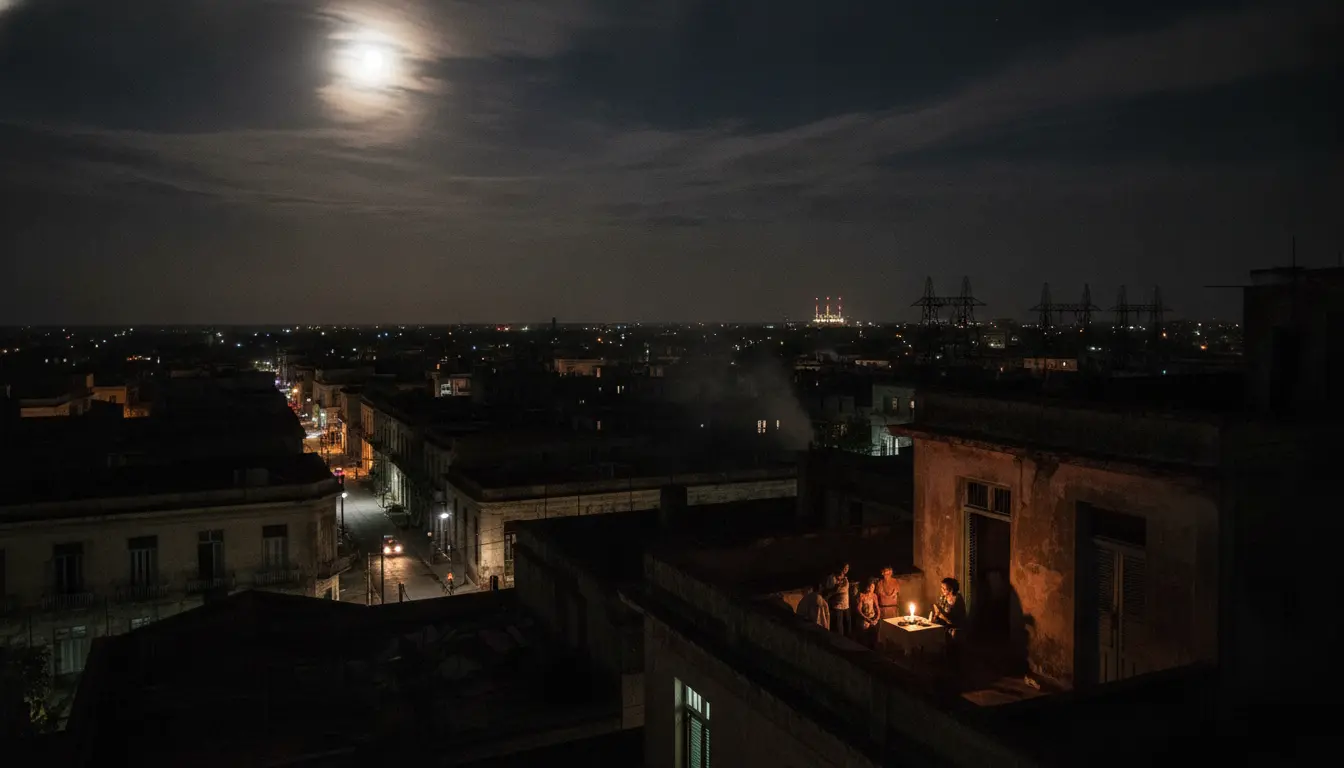
Cuba's Deteriorating Power Grid Plunges Nation Into Frequent Blackouts
Cuba is grappling with a profound and escalating energy crisis, marked by a series of widespread power outages that have repeatedly plunged the vast majority of the island's population into darkness. The nation has endured at least three major, island-wide blackouts within the past six months, underscoring the severe and persistent challenges facing its dilapidated energy infrastructure. These cascading failures are not isolated incidents but symptoms of a deeply rooted crisis, impacting nearly every facet of daily life for millions of Cubans and raising concerns about the country's economic stability and social cohesion.
The root causes of Cuba's energy woes are multifaceted, stemming from decades of underinvestment, an aging infrastructure, and a heavy reliance on imported fossil fuels, predominantly crude oil. Many of the island's thermoelectric plants, the backbone of its electricity generation, are decades old and in a constant state of disrepair. Frequent breakdowns, often due to a lack of spare parts and proper maintenance, reduce generation capacity to critically low levels. This chronic instability is exacerbated by the country’s precarious economic situation, which limits its ability to purchase necessary fuel and undertake vital upgrades. While Cuba has some domestic oil production, it falls far short of demand, making the nation highly vulnerable to global energy price fluctuations and supply disruptions from its few allies, most notably Venezuela, whose own production has waned.
The economic strain on the Cuban state has been intensified by a combination of factors, including the global economic slowdown, the decline in tourism revenue, and the enduring impact of the U.S. embargo. While Cuban officials frequently attribute energy shortfalls primarily to the U.S. sanctions, which complicate financial transactions and access to technology, critics point to fundamental inefficiencies and lack of diversification within the centralized economy. These internal and external pressures collectively hinder the government's capacity to invest in new, more resilient energy sources or to modernize its existing grid, leaving the population dependent on a fragile system perpetually on the brink of collapse.
The consequences for ordinary Cubans are dire and far-reaching. Power blackouts often lead to widespread disruptions in water supply, as many pumping stations rely on electricity. Refrigerators cease to function, resulting in food spoilage in a country already struggling with chronic shortages. Access to information and communication is severely curtailed, impacting education and essential services. The prolonged periods without electricity contribute to a sense of exhaustion and despair, with many citizens expressing profound frustration over the constant uncertainty and the struggle to maintain basic living conditions. These hardships have been a significant driver of the record exodus of Cubans in recent years, as many seek stability and better opportunities abroad.
In an effort to mitigate the crisis, the Cuban government has periodically implemented emergency measures, including scheduled power cuts and pleas for conservation. There have also been attempts to integrate more renewable energy sources, such as solar power, but these initiatives remain nascent and insufficient to offset the massive shortfalls from traditional generation. The government has also explored decentralized energy solutions and small-scale generation, but these efforts have yet to translate into a significant improvement in the overall stability of the national grid. The systemic nature of the problem means that any minor disruption, such as a localized plant failure or a shortage of fuel, can quickly cascade into a nationwide outage dueating the grid's inherent fragility.
Looking ahead, there appears to be no immediate end in sight to Cuba's energy woes. The structural issues underpinning the crisis require substantial long-term investment and systemic reforms that are difficult to achieve under current economic and political conditions. Without significant external aid or a dramatic shift in domestic economic policy, the pattern of recurrent, widespread power blackouts is expected to persist, continuing to challenge the resilience of the Cuban people and place immense pressure on the country's already strained socio-economic fabric. The ongoing fragility of the national power system remains a critical indicator of the deeper systemic challenges confronting the island nation. Such pervasive instability complicates daily life and hinders any prospects for robust economic recovery, perpetuating a cycle of hardship for the population.
International observers and humanitarian organizations continue to monitor the situation closely, recognizing that the energy crisis is not merely a technical issue but a complex humanitarian and political challenge with significant implications for regional stability. The lack of reliable power affects everything from public health services to food security, making it a central concern for the country's future trajectory. While the Cuban government continues its efforts to secure fuel and repair infrastructure, the sheer scale of the problem suggests that fundamental change will be a protracted and arduous process, leaving many to wonder how much more the grid, and its people, can endure.
Stay Informed. Act Smarter.
Get weekly highlights, major headlines, and expert insights — then put your knowledge to work in our live prediction markets.
Related News
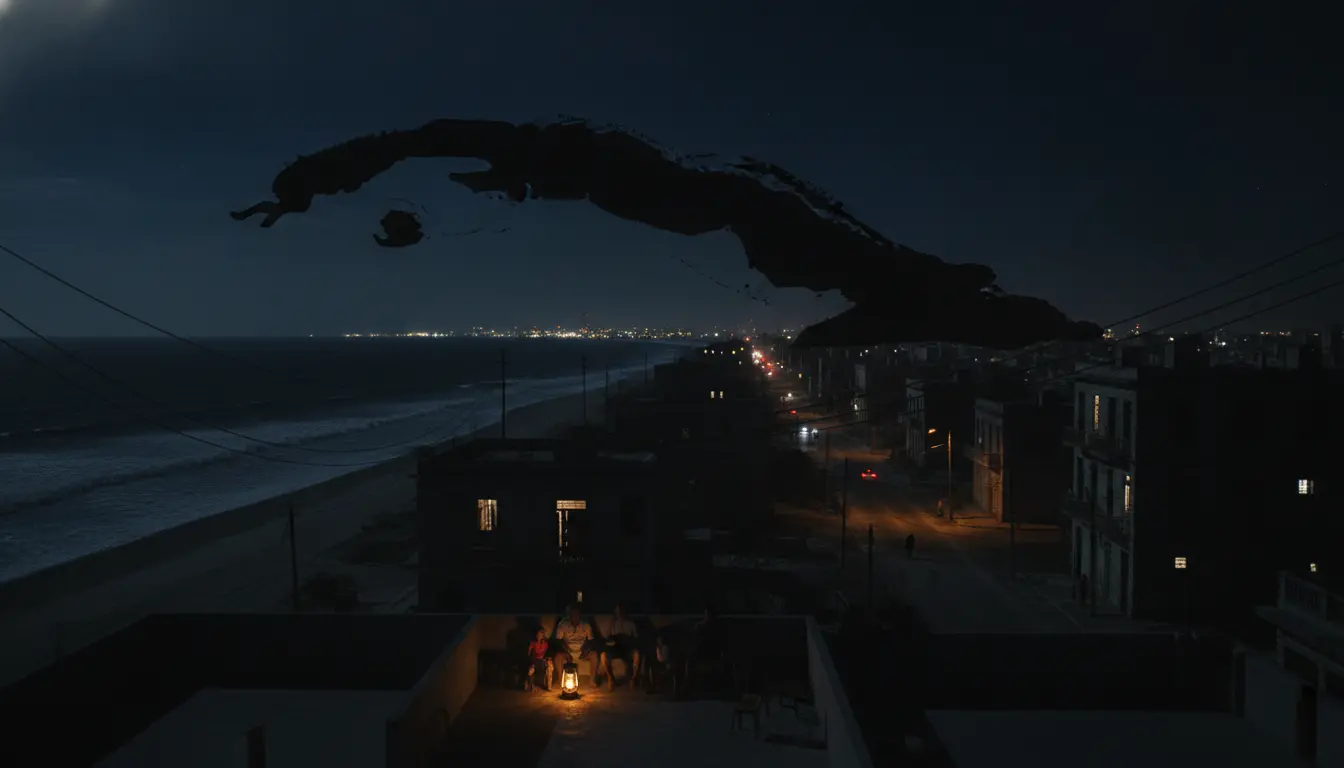
Persistent Blackouts Plague Cuba as Aging Infrastructure and Fuel Shortages Intensify Crisis
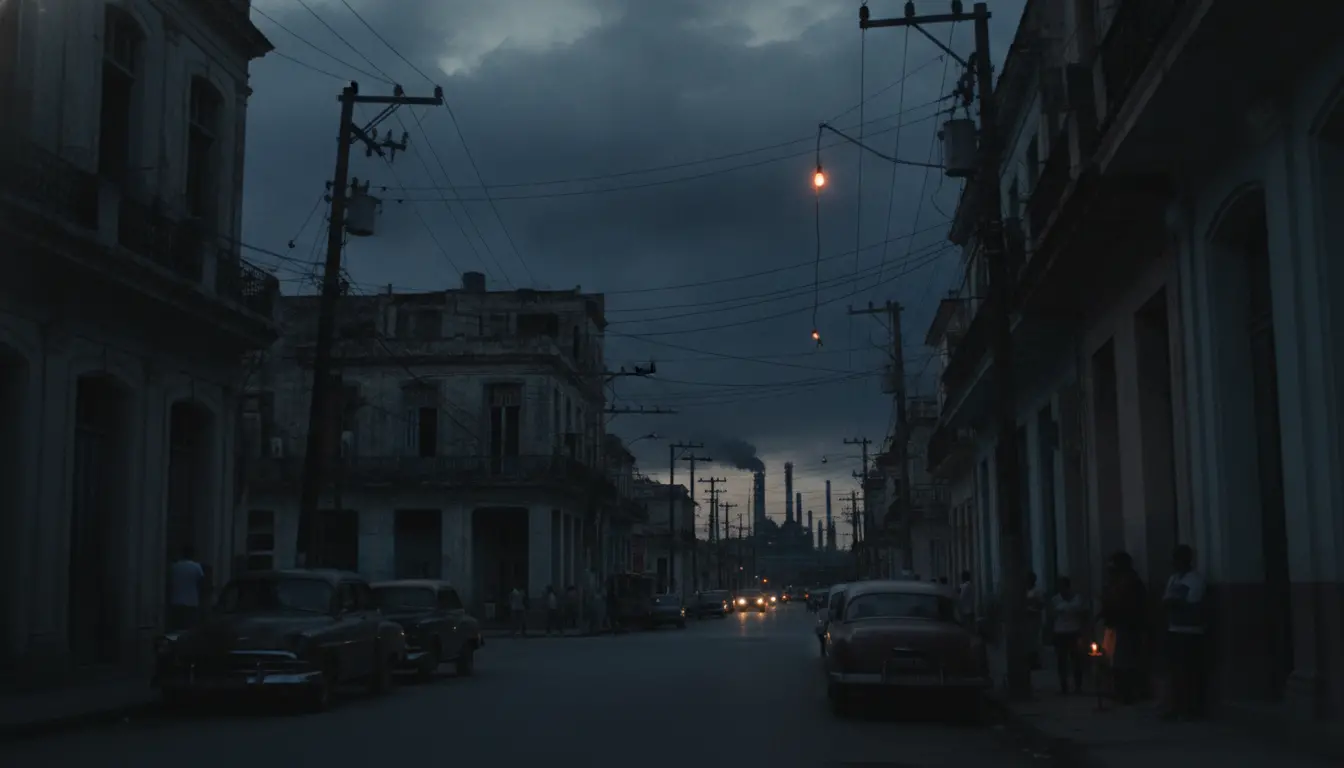
Cuba's Deepening Energy Crisis Linked to Trump-Era Sanctions, Future Policy Uncertain
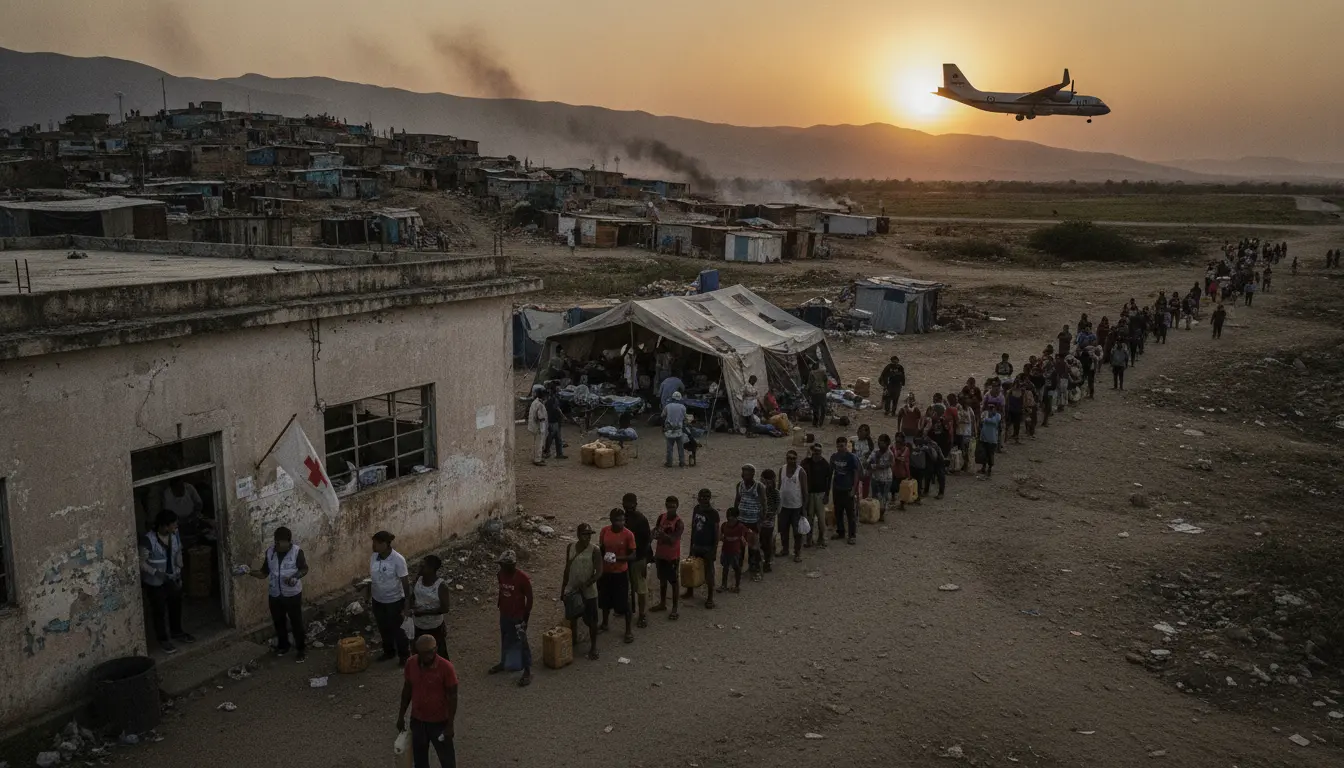
Venezuela's Humanitarian Crisis Prompts Renewed Push for Major International Aid

US Explores Major Oil Trade Pact with Venezuela Amid Sanctions Relief Talks
Texas Grid Operator Grapples with Surging Data Center Demand, Halts New Connections
Trump Signals Intent for Major Oil Deal with Venezuela, Prompting Scrutiny Over Sanctions and Geopolitics
Venezuela Faces Pressure to Accept U.S. Humanitarian Aid Amidst Post-Quake Crisis
Bolivia's Luis Arce Faces Mounting Pressure Amid Anti-Government Protests, State of Emergency
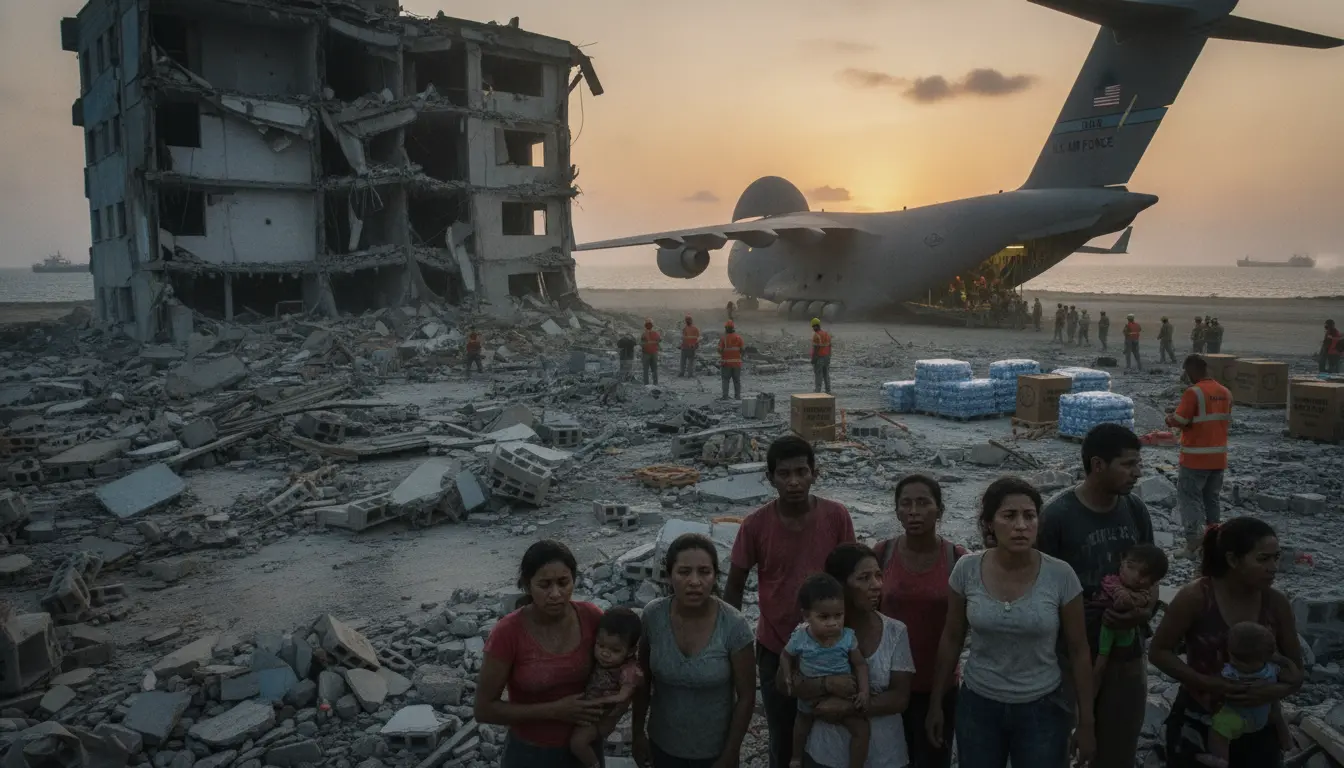
U.S. Government Deliberates Over Substantial Humanitarian Aid Package for Venezuela's Earthquake Crisis

Trump-Backed Venezuela Oil Agreement Faces Stiff Congressional Resistance