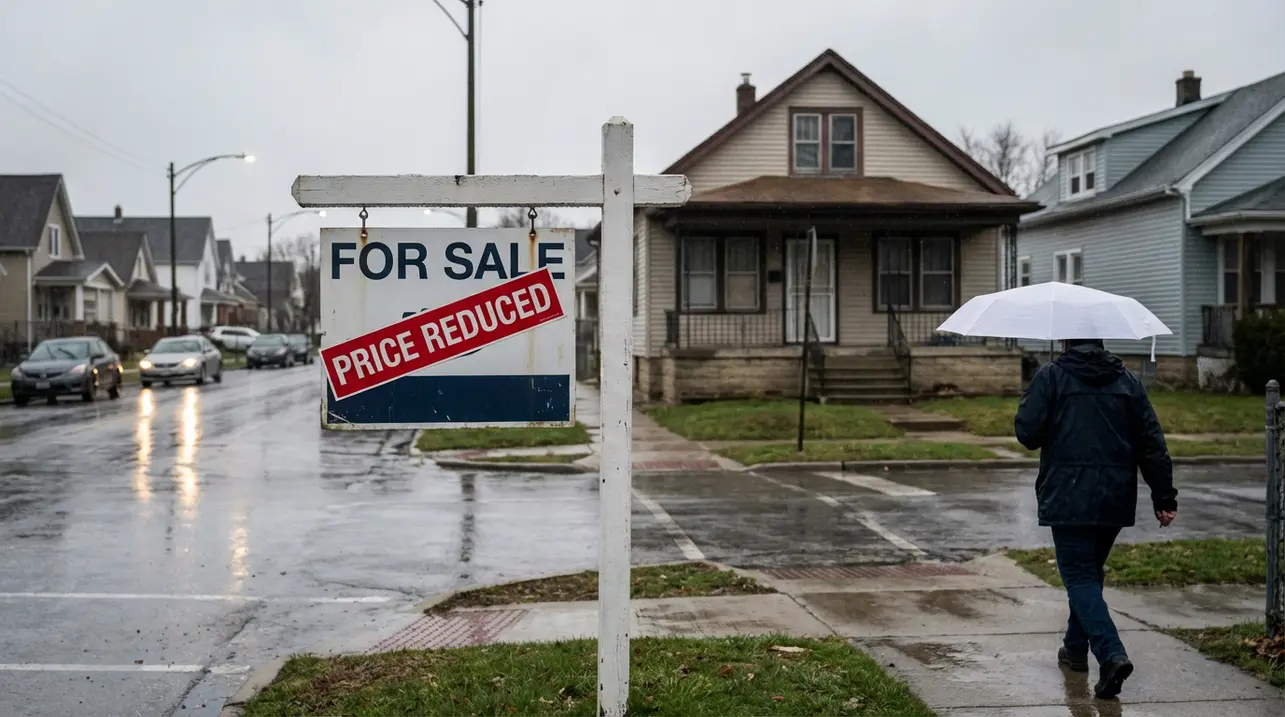
The U. S.housing market is experiencing a profound recalibration, with home prices now declining in 100 major metropolitan areas—a clear signal that the era of relentless, pandemic-fueled appreciation is over. This cooling trend arrives amid a complex web of intersecting pressures that could define the market's trajectory for years.On the policy front, a proposed federal rule aims to curb institutional investment by banning corporate purchases in neighborhoods with 100 homes or fewer, a threshold strategically designed to target the specific markets where such investors are most active and have arguably contributed to affordability crises. Simultaneously, a critical land-use battle is intensifying in rural America, where farmers are increasingly turning down lucrative offers from data center developers, creating unexpected supply bottlenecks for critical infrastructure and highlighting a growing grassroots resistance to the conversion of agricultural land.These dynamics—falling urban prices, potential regulatory intervention on investment capital, and rural landholding—paint a picture of a market at a genuine inflection point. The ultimate outcome will hinge on the Federal Reserve's interest rate decisions, the finalization of housing policy, and the persistent tug-of-war between speculative capital, development needs, and local community interests. For Wall Street observers, this isn't just a real estate story; it's a macro-economic puzzle where housing data, commodity prices for construction, and tech sector growth collide, with significant implications for related equities and the broader economic stability that housing underpins.
#housing market
#home prices
#real estate
#institutional investors
#land use
#data centers
#editorial picks
Stay Informed. Act Smarter.
Get weekly highlights, major headlines, and expert insights — then put your knowledge to work in our live prediction markets.