PoliticslegislationNew Bills and Laws
Thailand lifts afternoon alcohol sales ban in six-month trial
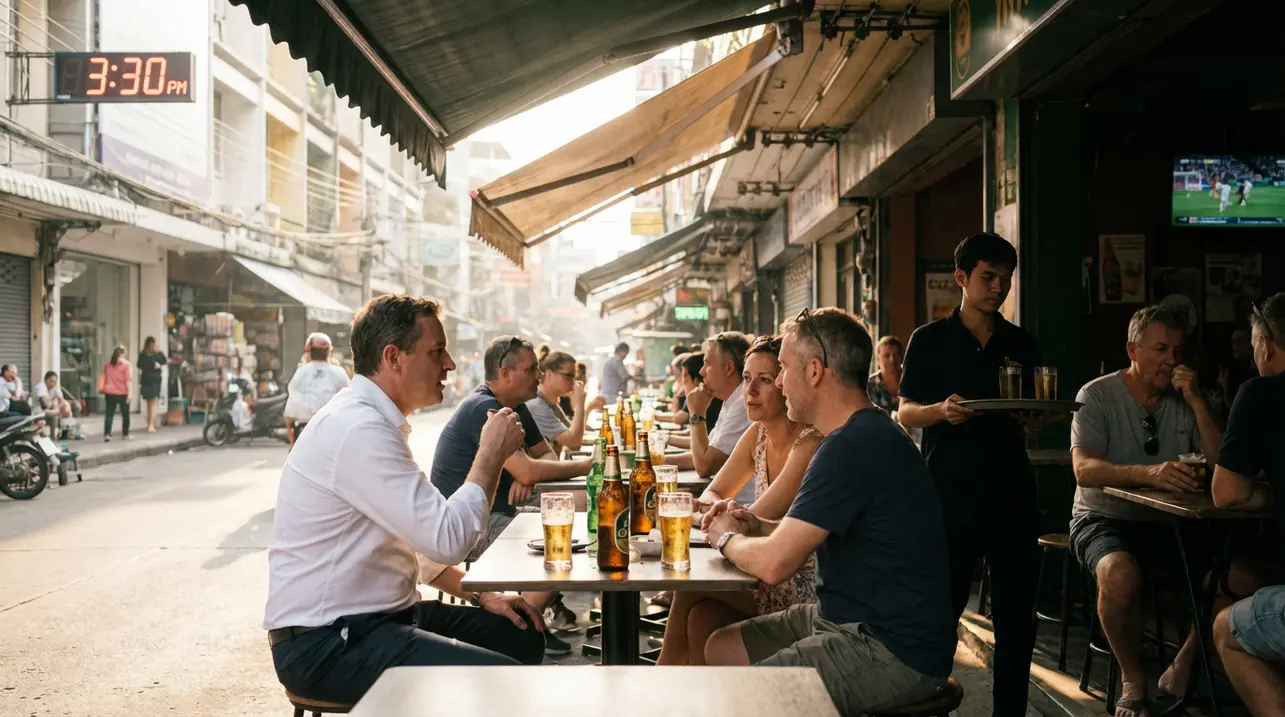
Thailand’s decision to lift its decades-old afternoon alcohol sales ban for a six-month trial is one of those quietly significant policy shifts that tells you a lot more about a society than just its drinking habits. For years, the rule prohibiting sales between 2 p.m. and 5 p.m. was a fixed point in the daily rhythm of the country, a quirky regulation familiar to every tourist who’d been caught out and every local who’d planned around it.Its relaxation, allowing sales from 11 a. m.to midnight during this trial period, isn't just about convenience; it's a fascinating probe into the evolving tensions between tradition, economic pragmatism, and social change in a nation that remains deeply Buddhist and conservative in its legal frameworks. The background here is crucial.Thailand’s alcohol laws are famously strict, born from a mix of religious observance—sales are banned on Buddhist holidays and election days—and historical temperance movements aimed at curbing public drunkenness and promoting productivity. The afternoon ban itself was long justified as a way to discourage daytime drinking, particularly among laborers and students.But as I dove into the history, it reminded me of similar, now-defunct 'blue laws' in parts of the United States or Sunday trading restrictions in Europe—rules that often linger due to institutional inertia long after societal attitudes have shifted. The push for change has been simmering for years, driven largely by the powerful tourism and hospitality sectors, which argued the ban was an archaic hindrance to a key economic engine, especially as the country battles to fully recover its pre-pandemic tourist numbers.Imagine a resort in Phuket or a rooftop bar in Bangkok losing out on revenue because a group of visitors can’t buy a beer at 3 p. m.; the economic argument is potent. Yet, the trial nature of the move is its most telling aspect.It reflects a characteristically cautious, incremental approach by the Thai government, which is likely navigating fierce opposition from public health advocates and religious conservatives. I reached out to a Bangkok-based economist friend, who noted that this is a classic case of 'testing the waters'—the government can gauge the real-world impact on consumption patterns, public order, and tax revenue without committing to a permanent reversal.The data collected over these six months will be invaluable. Will there be a spike in alcohol-related incidents during the previously dry hours? Will restaurant and convenience store revenues see a measurable bump? Or will consumer behavior prove stubbornly habitual, making the change largely symbolic? There’s also the broader context of Thailand’s ongoing, and often fraught, modernization of its social policies, from debates over cannabis legalization to LGBTQ+ rights.This alcohol trial can be seen as another front in that slow-burning cultural negotiation. Critics warn of normalizing increased alcohol access in a country already facing public health challenges, while proponents see it as a long-overdue deregulation that treats adults as responsible agents and supports business.It’s a small change with potentially large ripple effects, a perfect example of how a seemingly minor adjustment in daily life can open a window into a nation’s political economy, its balancing act between old values and new demands, and its pragmatic search for a path forward. The outcome of this six-month experiment will be watched closely, not just by bar owners in Bangkok, but by policymakers across Southeast Asia considering their own blends of tradition and economic liberalization.
#Thailand
#alcohol sales
#government policy
#law change
#trial period
#tourism
#featured