PoliticslegislationNew Bills and Laws
Israel Debates Ending Ultra-Orthodox Military Service Exemption
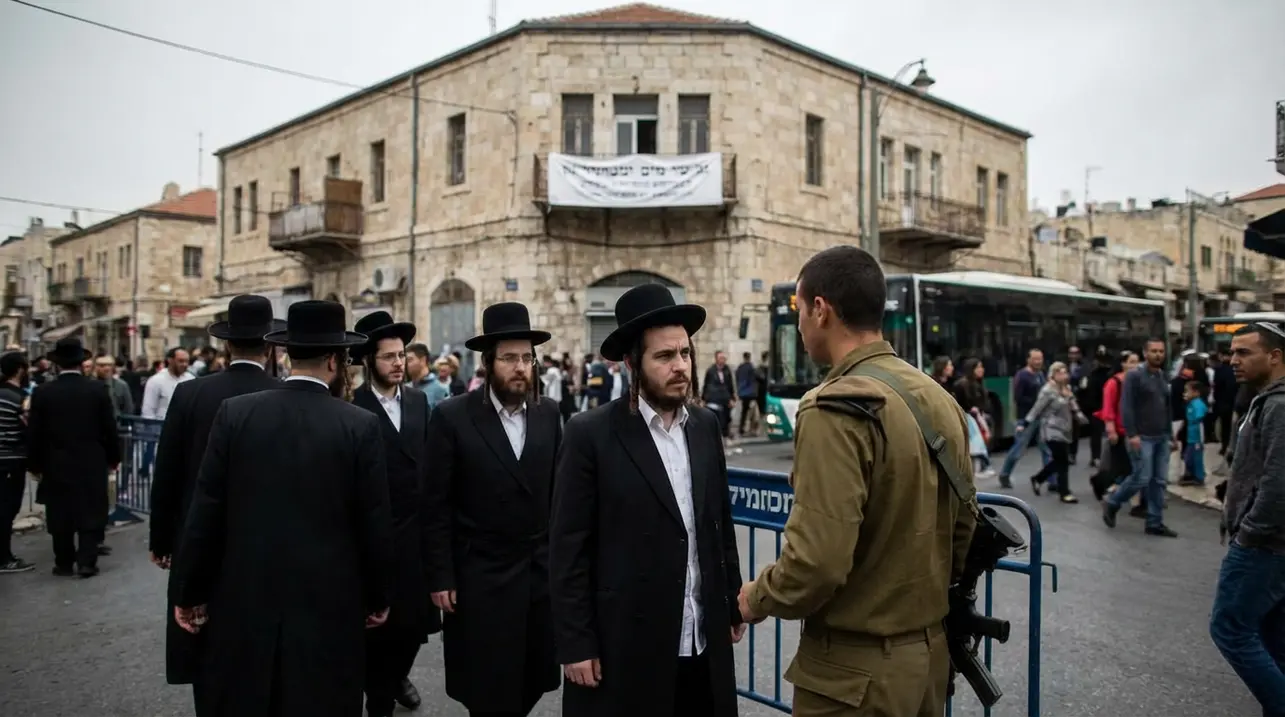
The Israeli Knesset is once again wrestling with one of the nation's most enduring and divisive political questions: the military service exemption for ultra-Orthodox men, known as the *Torato Omanuto* arrangement, which translates to 'his Torah study is his vocation. ' This long-standing status quo, which has allowed tens of thousands of Haredi men to defer national service indefinitely while engaged in full-time religious study, is now facing its most serious legislative challenge in years.The debate strikes at the very heart of Israel's identity as both a Jewish and a democratic state, pitting the principle of universal civic duty against the preservation of a centuries-old scholarly tradition. For decades, this exemption has been a fragile cornerstone of coalition politics, a concession made to secure the support of powerful ultra-Orthodox parties in government.However, the tectonic plates of Israeli society are shifting. The ongoing war in Gaza and the unprecedented mobilization of reservists have dramatically intensified public sentiment, with a growing chorus of secular and modern Orthodox citizens demanding a more equitable sharing of the national burden.The proposed draft bill is not merely a piece of legislation; it is a litmus test for social cohesion. Historically, attempts to reform the system have been met with fierce resistance, massive protests, and the collapse of governing coalitions.The current political calculus is further complicated by Prime Minister Benjamin Netanyahu's reliance on his ultra-Orthodox allies for his parliamentary majority. Any move perceived as a betrayal could trigger a governmental crisis.Analysts point to the 2012 Tal Law, which was struck down by the Supreme Court for being unequal, and the subsequent failed reforms as critical precedents. The court has repeatedly set deadlines for the government to legislate a fairer system, adding judicial pressure to the political and social forces at play.The potential consequences are profound. A successful end to the blanket exemption could reshape the Israeli Defense Forces, requiring significant adaptation to integrate a large cohort with a distinct cultural and religious lifestyle.Economically, it could begin to draw more Haredi men into the workforce over time, addressing a longstanding demographic challenge to the nation's productivity. Conversely, a failure to pass meaningful reform risks deepening societal fractures, emboldening a sense of injustice among the serving majority, and potentially triggering a constitutional showdown between the legislature and the judiciary.As lawmakers deliberate, they are not just drafting a military service policy; they are negotiating the future character of the Israeli social contract, balancing the weight of tradition against the demands of a modern state under relentless security pressure. The outcome will resonate far beyond the halls of the Knesset, defining the relationship between state, religion, and citizen for a generation.
#legislation
#military conscription
#ultra-Orthodox
#Israel
#government crisis
#featured