


US DOJ Intensifies Push for Google Ad-Tech Business Breakup
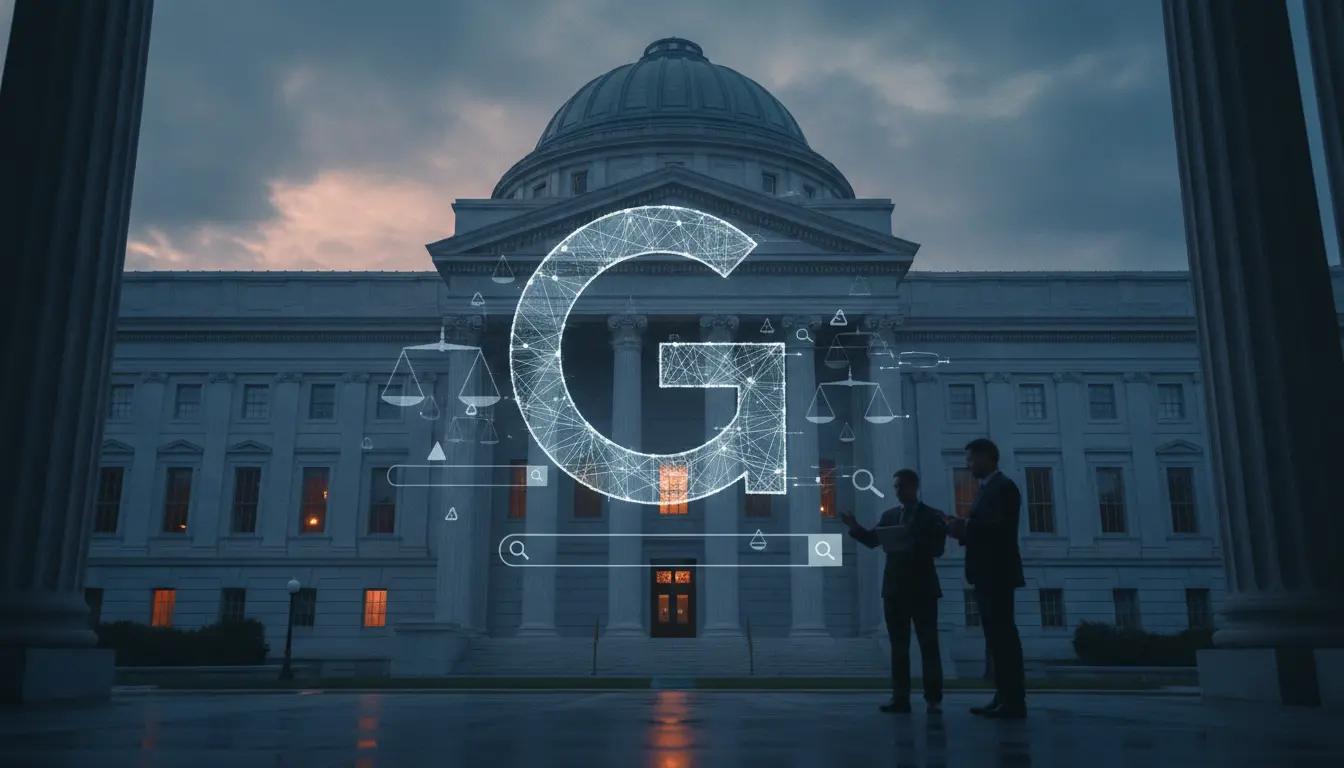
The United States Department of Justice (DOJ) is pursuing a significant structural breakup of Google's dominant advertising technology business, escalating a high-stakes antitrust battle that could reshape the digital advertising landscape. This aggressive stance comes as the antitrust trial against the tech giant continues, with the DOJ seeking remedies that go beyond mere behavioral changes, aiming instead for a fundamental divestiture of key components of Google's ad-tech stack. The outcome, potentially culminating in a court order by 2026, would represent one of the most substantial government-mandated corporate breakups in decades, echoing historical actions against Standard Oil and AT&T.
The core of the DOJ's complaint, initially filed in January 2023 and joined by numerous states, alleges that Google has systematically abused its monopoly power to control nearly every aspect of the digital advertising ecosystem. From the tools publishers use to sell ad space to the platforms advertisers use to buy it, and the exchanges that connect them, Google’s integrated suite of services gives it an unparalleled advantage. Prosecutors argue that Google has engaged in anti-competitive tactics, including self-preferencing its own products, stifling competition, and extracting supra-competitive fees from advertisers and publishers alike. Specific allegations point to Project Jedi Blue, a purported secret agreement with Meta (Facebook) to manipulate ad auctions, as a prime example of Google's alleged market manipulation.
Google, a subsidiary of Alphabet Inc., vehemently denies these accusations, contending that its ad-tech services are highly competitive, innovative, and beneficial for both publishers and advertisers. The company asserts that its integrated platform offers efficiency and lower costs, fostering a robust marketplace rather than stifling it. Google's defense highlights the presence of numerous other players in the ad-tech space, arguing that the market is far from monopolized. A breakup, Google argues, would harm innovation, increase costs for businesses, and ultimately reduce the quality of digital advertising services, to the detriment of consumers.
The potential for a structural breakup marks a critical turning point in government efforts to rein in the power of dominant technology firms. Unlike behavioral remedies, which impose rules on how a company can operate, a structural breakup seeks to fundamentally alter its market position by forcing the divestiture of assets. Such a move would aim to create independent entities, fostering genuine competition in a market currently dominated by one player. The legal proceedings involve complex economic arguments and detailed examinations of Google's proprietary algorithms and business practices, promising a protracted and intricate legal battle.
Should the DOJ succeed in securing a breakup order, the implications for Google and the broader tech industry would be profound. Google’s ad-tech business generates a substantial portion of its revenue, and a divestiture could significantly impact its financial performance and long-term strategy. Moreover, a successful breakup could embolden regulators globally to pursue similar actions against other tech giants perceived to hold excessive market power, potentially ushering in a new era of antitrust enforcement in the digital age. The judicial outcome will be closely watched by investors, policymakers, and companies across the technology and advertising sectors, as it could set a powerful precedent for future corporate oversight and competition policy.
The trial’s progress has seen intense scrutiny of Google’s internal communications and business decisions, shedding light on the intricate workings of the digital advertising market. Legal experts anticipate that a final ruling on remedies, if the DOJ prevails on the core antitrust claims, could take considerable time to deliberate and implement, potentially extending into 2026 or even beyond. The sheer complexity of disentangling Google's deeply integrated ad-tech operations would present immense challenges, requiring careful planning to avoid market disruption while achieving the desired competitive outcomes. The stakes could not be higher for Google, the Department of Justice, and the future of digital commerce.
Stay Informed. Act Smarter.
Get weekly highlights, major headlines, and expert insights — then put your knowledge to work in our live prediction markets.
Related News

US Department of Justice Seeks Landmark Breakup of Google's Dominant Adtech Business

DOJ Continues Push to Break Up Google's Search Advertising Empire

US Justice Department Pushes for Google Ad-Tech Divestiture in Landmark Antitrust Case

US Department of Justice Pushes for Google Chrome Divestiture in Antitrust Battle
D.C. Circuit Court Grapples With Google's Search Dominance in Pivotal Antitrust Appeal

US Justice Department Sustains Aggressive Antitrust Posture Against Major Tech Firms

High-Stakes Antitrust Battle: Justice Department and Apple Explore Early Settlement Path

US States Launch Antitrust Challenge Against Proposed Paramount-Skydance and Warner Bros. Discovery Merger

DOJ Nears $400 Million Settlement with TikTok Over Children's Privacy Violations

Outpoll Weekly Recap: Politics (August 17 – 23, 2026)