

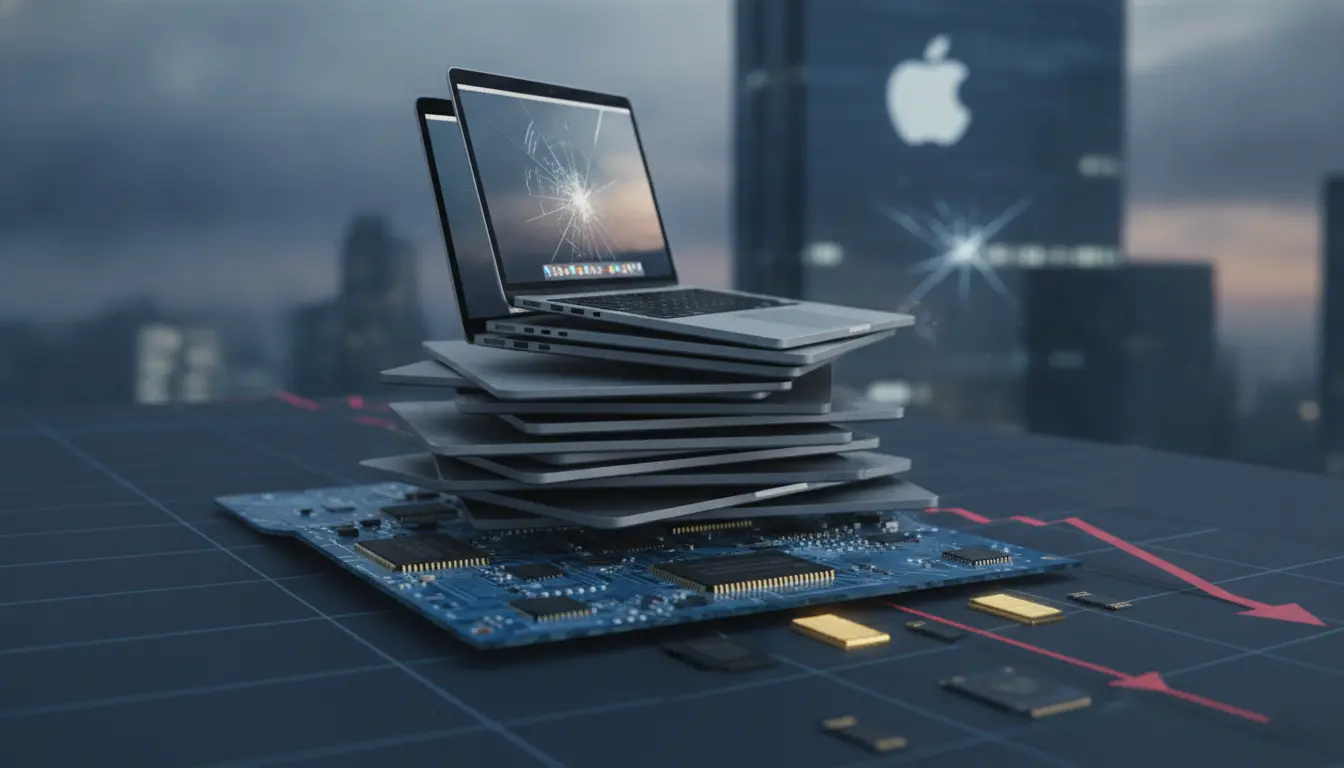
Apple Stock Dips After Surprise MacBook and iPad Price Hikes Blamed on 'Memory Crunch'
Apple Inc. shares experienced a notable downturn this week after the technology giant announced unexpected price increases for several of its flagship MacBook and iPad models, a move the company attributed to persistent pressures in the global memory market. The decision sent a ripple of concern through Wall Street, with investors weighing the potential impact on consumer demand against the company's efforts to protect its industry-leading profit margins. The stock, a bellwether for the tech sector, saw an immediate dip in trading as the market digested the news, reflecting uncertainty over whether Apple's powerful brand loyalty can weather higher price points on some of its most popular hardware.
The Cupertino-based company stated that a significant "memory crunch" is forcing its hand. This refers to tightening supply and rising costs for essential components like DRAM and NAND flash memory, which are critical for the performance of modern computing devices. The global semiconductor supply chain has remained volatile since the pandemic, with periodic shortages and logistical bottlenecks affecting everything from automobiles to consumer electronics. By citing this specific issue, Apple is signaling that it is not immune to the macroeconomic headwinds and supply-side challenges that have plagued the broader technology industry, despite its reputation for masterful supply chain management under CEO Tim Cook.
While Apple did not release a detailed list of every model affected, the price adjustments are understood to impact various configurations of its MacBook Air, MacBook Pro, and iPad lines. The move is particularly noteworthy as it comes outside of a typical product refresh cycle, where price adjustments are more common and expected. This unusual timing has led to speculation among industry analysts about the severity of the component cost increases Apple is facing. The immediate financial calculus for investors is clear: higher prices could either bolster revenues and maintain margins if sales volume holds steady, or they could dampen demand, leading to lower unit sales and potentially pushing consumers toward more competitively priced alternatives from rivals like Microsoft, Dell, or Samsung.
Market analysts are offering a mixed outlook on the strategic calculus behind the price hike. Some argue that Apple's premium brand positioning and dedicated user base provide a formidable shield, allowing it to pass on increased costs to consumers with minimal churn. This camp believes that the ecosystem of integrated software and services is a powerful enough lock-in to make a moderate price increase a secondary consideration for most buyers. However, other experts express caution, pointing to a more challenging global economic environment where consumers are becoming increasingly price-sensitive. They warn that raising prices on big-ticket items could alienate potential new customers and even prompt some existing users to delay upgrades, potentially impacting Apple’s hardware sales growth in the upcoming quarters.
The coming months will be a crucial test for Apple's pricing power. The company's next quarterly earnings report will be scrutinized intensely for any signs of slowing hardware sales or shifts in the product mix. Investors and consumers alike will be watching to see if competitors capitalize on the situation with aggressive promotions or if other manufacturers follow Apple’s lead, signaling an industry-wide trend of rising device costs. Ultimately, Apple is making a calculated bet that the value and appeal of its products outweigh the sting of a higher price tag, a gamble that will determine the trajectory of its stock as it navigates a complex and uncertain market landscape.
Stay Informed. Act Smarter.
Get weekly highlights, major headlines, and expert insights — then put your knowledge to work in our live prediction markets.
Related News
Apple Poised to Raise Prices on Flagship iPhone Models Amid Evolving Market Dynamics

Dell Technologies Shares Soar Following Presidential Endorsement at White House Ceremony

Apple Poised to Unveil iPhone 18 Pro Max with Expected Significant Battery Life Gains

High-Stakes Antitrust Battle: Justice Department and Apple Explore Early Settlement Path

US Economy Navigates Heightened Recession Risks Amidst Shifting Monetary Policy and Global Headwinds

Outpoll Weekly Recap: Finance (August 17 – 23, 2026)
Leading Streaming Services Prepare for Further Ad-Free Price Hikes by 2026

Outpoll Weekly Recap: Finance (August 24 – 30, 2026)
Economists Intensify Debate on US Recession Timeline Amid Evolving Economic Landscape
Economists Intensify Debate on US Recession Risk Through 2026 Amid Fed's Inflation Fight