EntertainmentmusicArtist Interviews
Tame Impala's Kevin Parker seeks out negative reviews of his music.
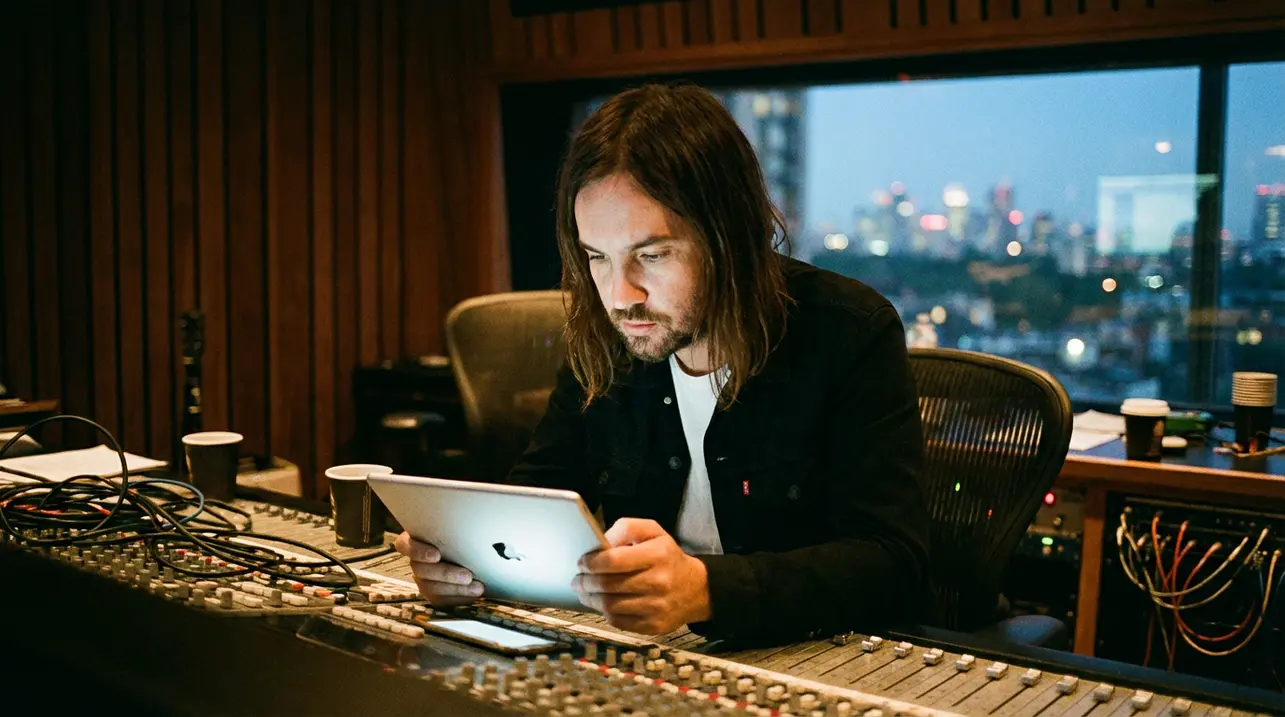
In the echo chamber of modern music fandom, where social media algorithms and fan forums often serve up a relentless stream of praise, Tame Impala’s mastermind Kevin Parker is actively seeking out a different, more dissonant frequency. The artist, whose real name is Kevin Parker, has admitted to a fascinating and somewhat masochistic ritual: scrolling past the waves of adoration to deliberately hunt for the negative reviews of his work.It’s a confession that feels counterintuitive in an era where artists are often advised to curate their online experiences for mental well-being, but for Parker, this pursuit seems less about self-flagellation and more about a genuine, almost artistic, need for unfiltered perspective. He described the phenomenon himself, noting, 'There’ll be so much positivity, but I’ll still scroll until I find the negative ones.' This isn't the behavior of a fragile ego; it's the hallmark of a craftsman who understands that the most useful feedback often lies in the cracks of criticism, not the chorus of acclaim. Parker’s journey, from a Perth bedroom producer crafting psychedelic soundscapes to a global headliner whose records are dissected note-by-note, has been soundtracked by both rapturous reviews and pointed critiques.His evolution from the fuzzed-out, guitar-heavy psych-rock of 'Innerspeaker' and 'Lonerism' to the sleek, synth-pop perfection of 'Currents' and 'The Slow Rush' was a pivot that divided his fanbase. Purists lamented the move away from guitar solos and toward disco grooves and Auto-Tune, while a new, massive audience embraced the polished, introspective anthems.One can imagine Parker, in the quiet after a album drop, sifting through think-pieces that accuse him of selling out or comments lamenting the loss of his 'old sound. ' This search for negativity is, in a way, a quality control mechanism.In the studio, Parker is famously a perfectionist, playing nearly every instrument himself, obsessing over sonic details until they shimmer. That meticulousness doesn't switch off when the music leaves his hard drive.Reading a well-argued pan—one that points out a repetitive lyrical motif, a overly familiar chord progression, or a production choice that feels safe—provides a kind of raw data. It’s an unvarnished listener reaction, free from the politeness of an interview or the hype of a marketing cycle.It connects him back to the fundamental transaction of art: someone listened, and this is what they truly felt. Historically, many great artists have had a complicated relationship with criticism.John Lennon famously read his reviews, often getting infuriated by them. Bob Dylan has spent a career confounding critics who tried to box him in.For Parker, operating in the digital age, the feedback is instantaneous and omnipresent. The act of seeking it out is a deliberate choice to engage with that conversation, however brutal it may be.It suggests a remarkable confidence, a core self-assurance that allows him to examine dissenting opinions without his entire artistic identity crumbling. This practice also speaks to the isolating nature of his success.As Tame Impala grew from a cult project to a festival-topping behemoth, the people around Parker—managers, label executives, even friends—are inherently invested in the project's success. Their feedback, while valuable, is filtered through that lens.A random critic or a disgruntled fan on a message board has no such stake; their opinion, however harsh, carries a different kind of truth. It’s a reality check, a grounding wire tethering the psychedelic spaceship back to Earth.Furthermore, this habit reveals the intellectual curiosity that underpins Parker’s music. His songs are often about introspection, doubt, and the passage of time—themes that require a degree of self-interrogation.Actively seeking criticism is an extension of that lyrical introspection into his professional life. It’s a way to avoid creative stagnation, to ensure that the next album isn’t just a victory lap but a response, a progression, perhaps even a subtle nod to the flaws others have perceived.In an industry where many artists now retreat into curated social media bubbles, Parker’s willingness to wade into the negative space is both brave and strategically shrewd. It keeps his art honest.It prevents him from becoming a prisoner of his own acclaim, forever trying to replicate the formula that garnered the loudest cheers. The negative review, for Kevin Parker, isn’t noise; it’s a necessary note in the chord, the minor key that makes the major resolution feel all the sweeter.As he likely gears up for whatever sonic world he’s constructing next, you can bet the process will involve not just synthesizers and drum machines, but a deep, deliberate dive into what people didn’t like about the last one. That’s how an artist stays interesting, and more importantly, how they stay true to themselves.
#featured
#Kevin Parker
#Tame Impala
#music reviews
#criticism
#artist mindset
#NME