

Entertainment
Tame Impala's Kevin Parker Discusses Seeking Negative Reviews
BR
Brian Miller
6 months ago7 min read
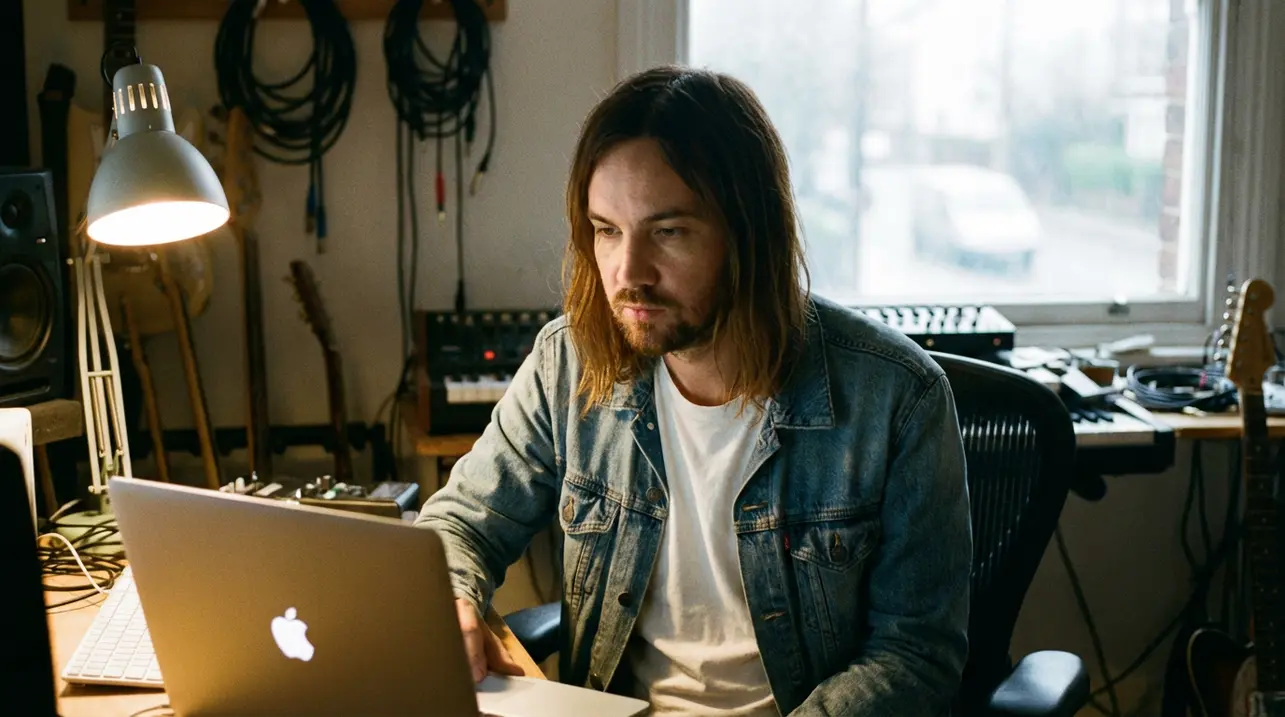
In the often-saccharine world of music press, where every new release is hailed as a 'masterpiece' and every artist is a 'genius,' Tame Impala's Kevin Parker offers a refreshingly raw dose of reality. The man behind the psychedelic-pop moniker recently peeled back the curtain on the uniquely modern agony of sharing art, confessing to actively seeking out negative reviews while describing the act of releasing music as feeling 'violating.' This isn't the petulant reaction of a bruised ego; it's the calculated, almost masochistic ritual of an artist striving for authenticity in a digital echo chamber. Parker’s admission resonates deeply with anyone who has watched the album cycle transform from a grand, curated event into a frantic, real-time data stream of metrics and hot takes.Remember when an artist would drop a record, maybe do a few magazine interviews, and then retreat to the studio? That buffer is gone. Now, it’s a simultaneous global drop onto streaming platforms, instantly dissected in tweet-sized chunks on social media, with algorithmic playlists determining its fate before the final chord has even faded.For a meticulous auteur like Parker, whose albums are painstakingly self-produced, multi-layered tapestries built over years in isolation, this immediate public vivisection must feel particularly jarring. He’s not just putting out songs; he’s releasing fragments of his internal sonic world, only to watch them be instantly categorized, compared to his past work, and slotted into 'chill vibes' playlists.The 'violation' he speaks of is the erosion of artistic intent, the way a deeply personal creation is instantly stripped of its context and consumed as disposable content. His pursuit of negative feedback, then, becomes a fascinating survival mechanism.In a landscape flooded with praise—often superficial and algorithmically amplified—the critical pan, the one-star review, the thoughtful takedown, becomes a rare source of genuine, unfiltered response. It’s a grounding wire.It’s the equivalent of a musician turning down the stage monitor to hear the true room sound. These negative perspectives, however painful, offer a clearer picture of where his art truly lands, cutting through the fog of hype and fan service.This dynamic isn't entirely new; artists have always grappled with criticism. But the scale and immediacy are unprecedented.Legend has it that John Lennon would obsess over newspaper reviews, and Kurt Cobain was famously wounded by critical reception. Yet, they weren't also contending with a thousand instantaneous opinions from anonymous accounts, their work's success quantified by hourly Spotify listener counts.Parker’s stance reflects a generation of artists trying to navigate this, attempting to reclaim some agency. By consciously seeking the negative, he’s attempting to control the narrative of reception itself, transforming passive vulnerability into active, if painful, research.It’s a defensive posture that speaks to a broader anxiety in creative fields: the struggle to maintain a sense of self and purpose when your output becomes a public dataset. What does this mean for the music itself? Historically, intense scrutiny has pushed artists in radical directions—think Dylan going electric or Radiohead abandoning guitar anthems for glitchy experimentation.For Tame Impala, this hyper-awareness could further fuel Parker’s inward turn, leading to even more insular, complex productions, or it might push him toward defiant simplicity. The irony is rich: an artist known for crafting lush, escapist soundscapes is perhaps one of the most acutely aware of the harsh, unflinching reality of the modern music industry.His journey underscores a central paradox of our time: we have more tools than ever to create and share art with the world, yet the process can feel more exposing and less sacred than it did in any prior era. Parker’s honest reckoning isn't just a musician's lament; it's a case study in artistic preservation in the digital age, a reminder that behind every shimmering synth line and hazy vocal harmony, there's a human being trying to understand what it all means once it leaves the safe confines of the studio.
#Kevin Parker
#Tame Impala
#music release
#negative reviews
#artist psychology
#featured
Stay Informed. Act Smarter.
Get weekly highlights, major headlines, and expert insights — then put your knowledge to work in our live prediction markets.
Related News

Comments
It's quiet here...Start the conversation by leaving the first comment.